Lineages
29 January - 28 February, 2026

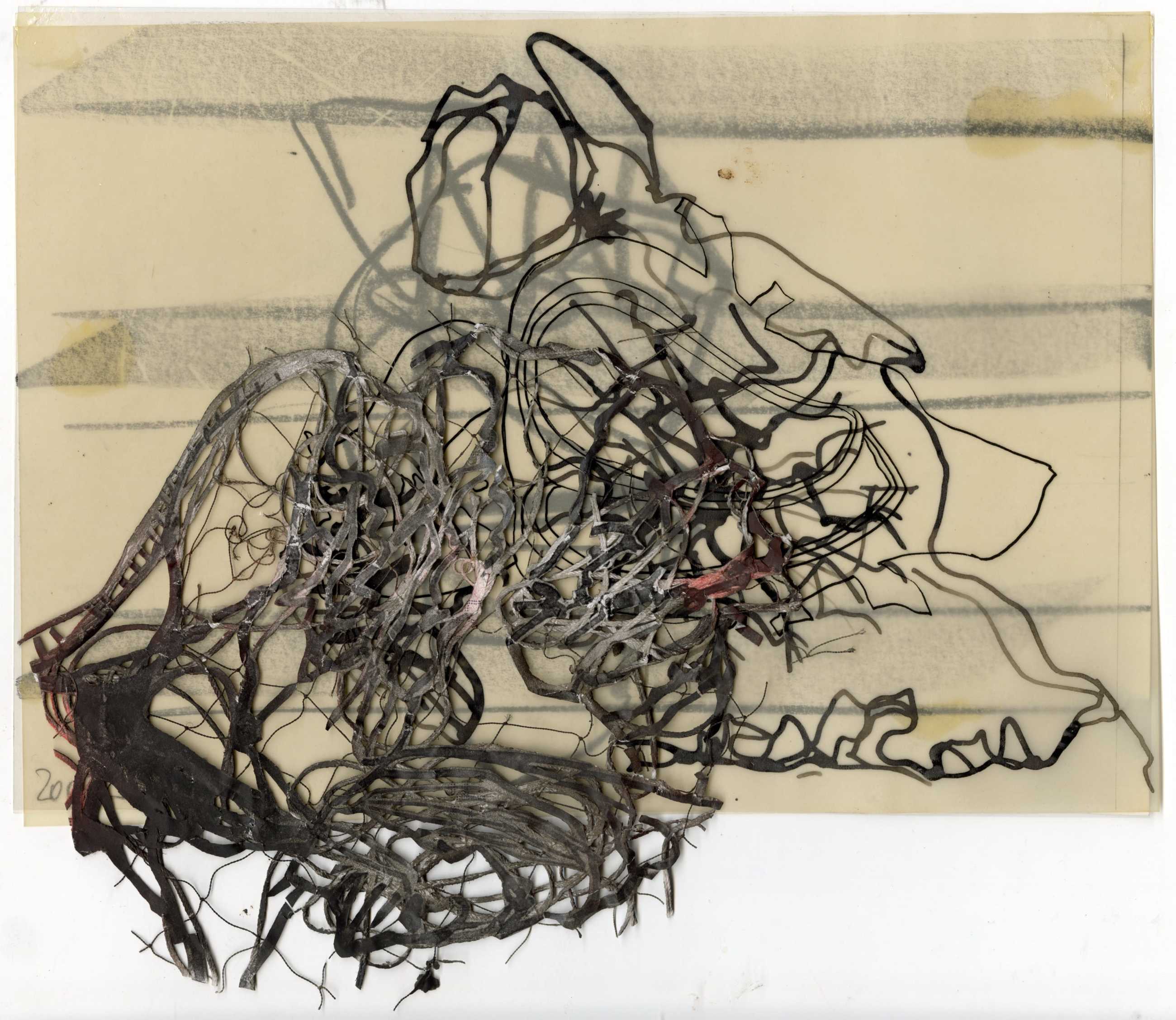
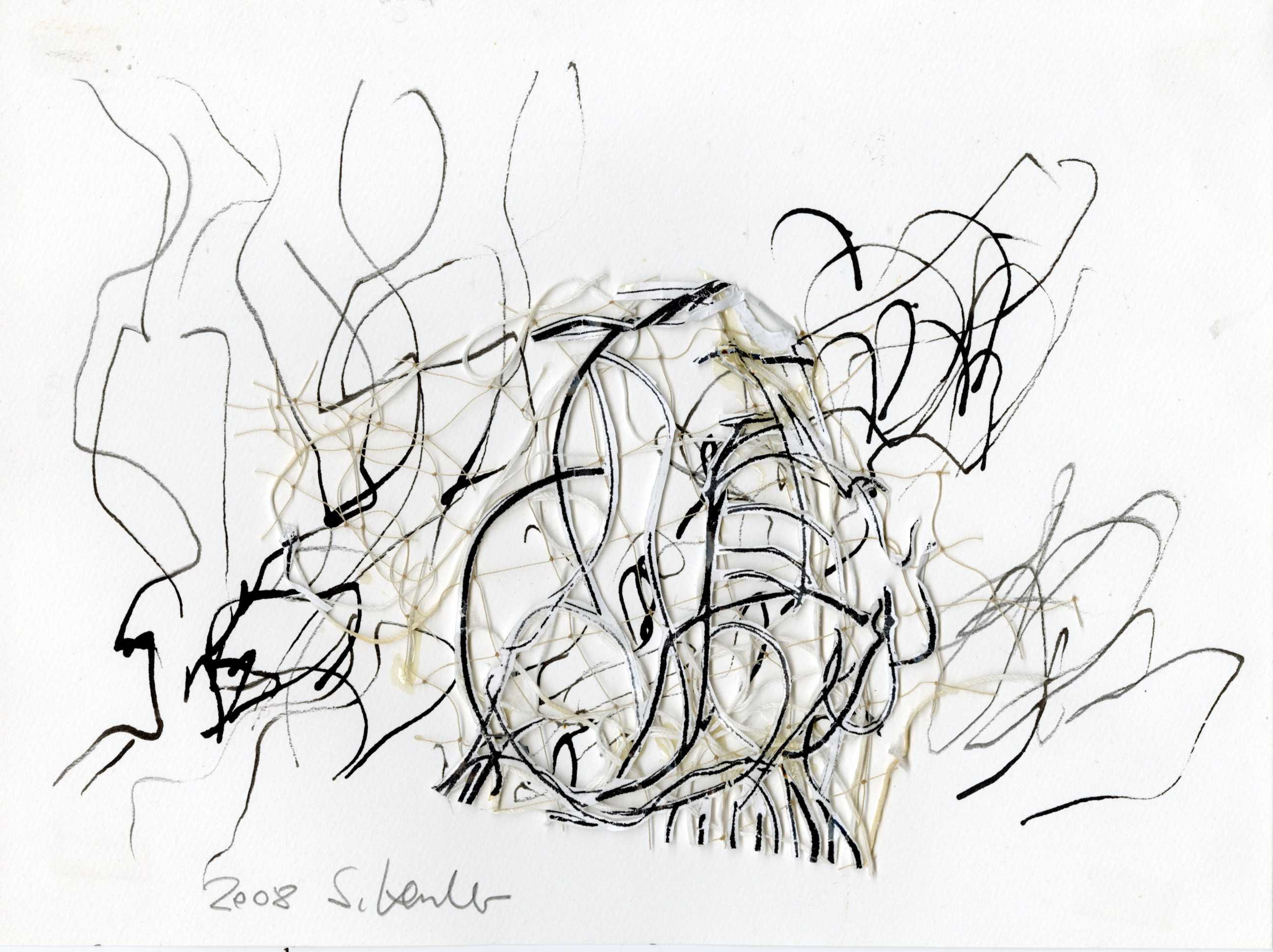
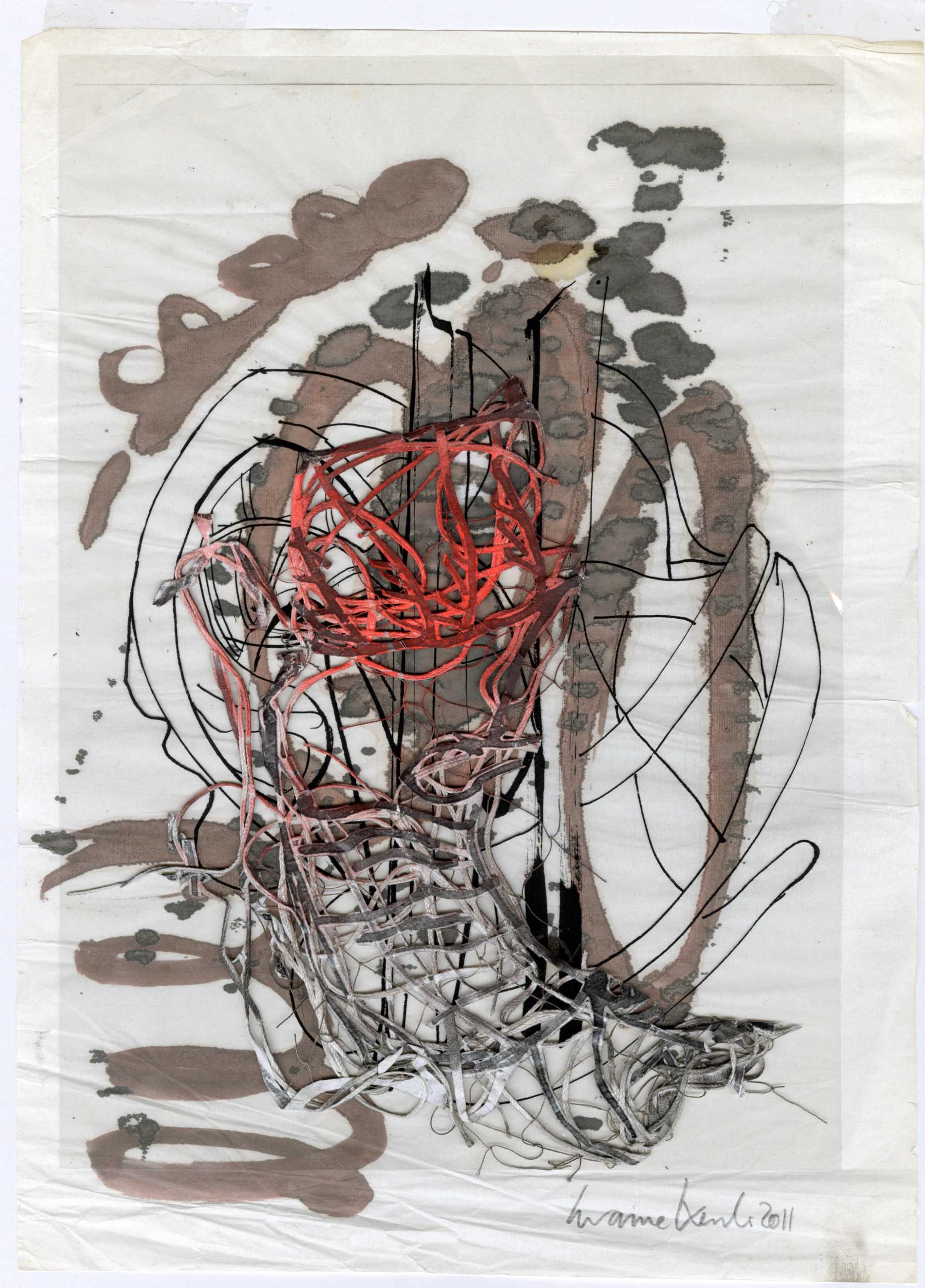
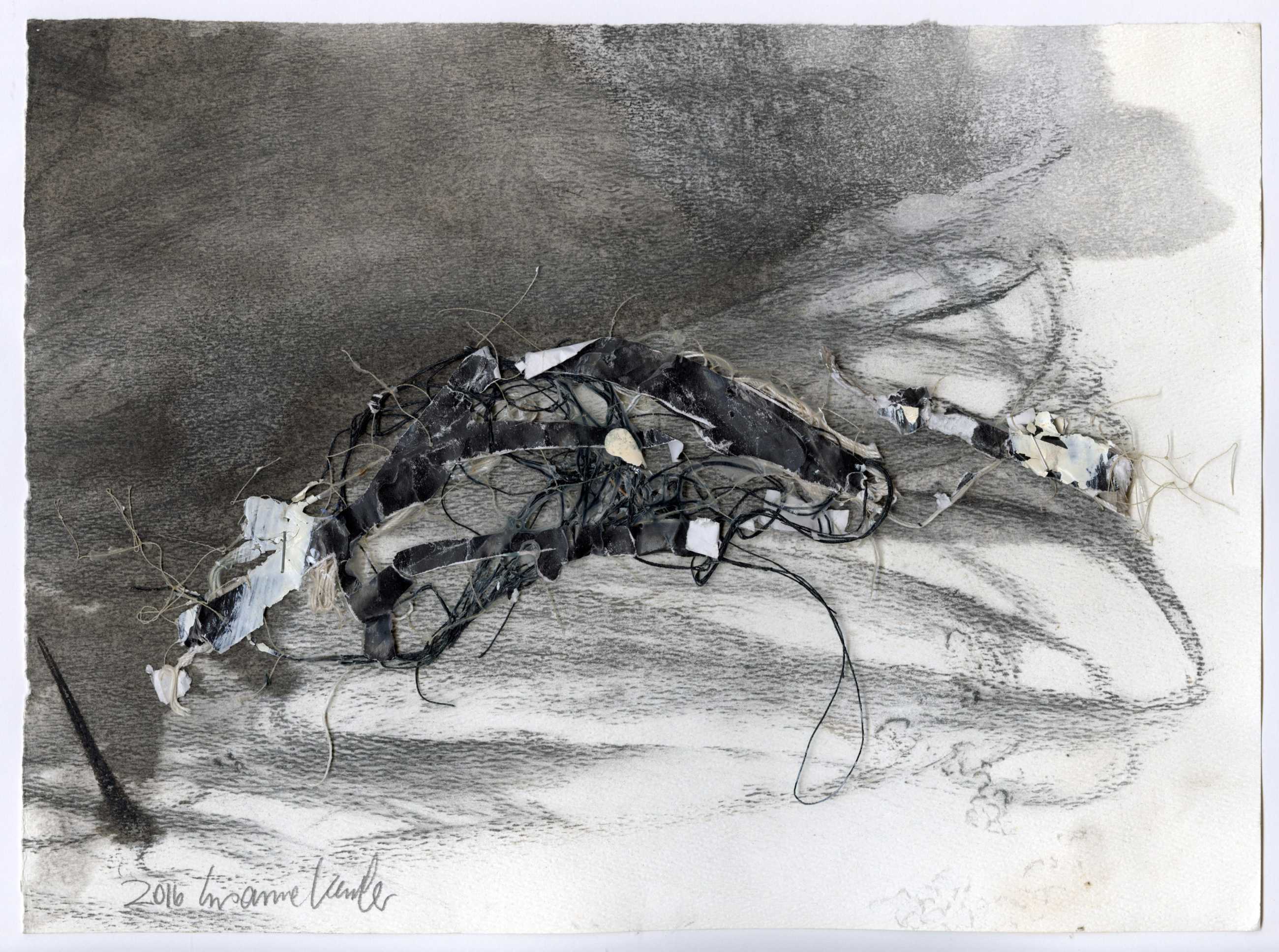
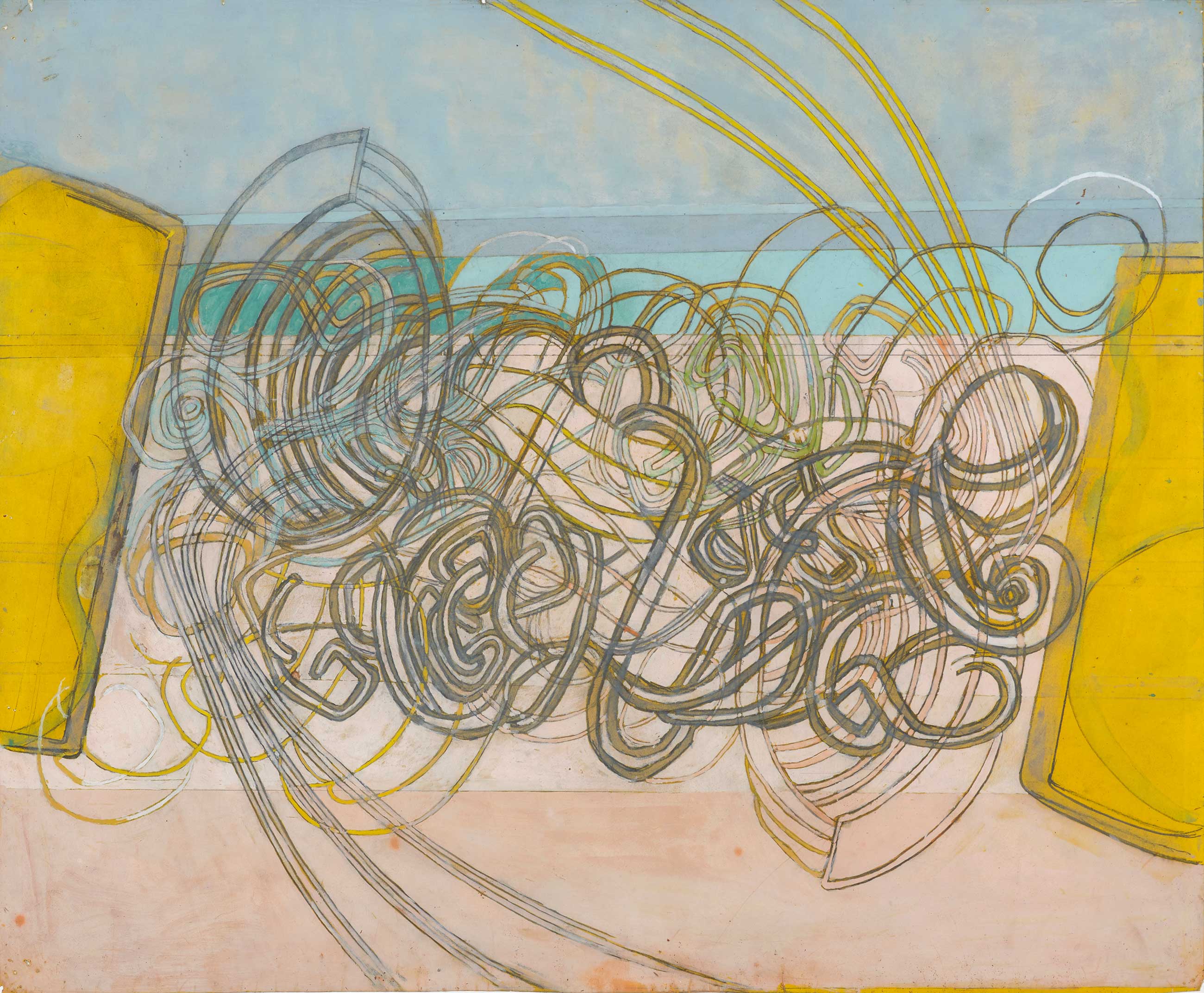
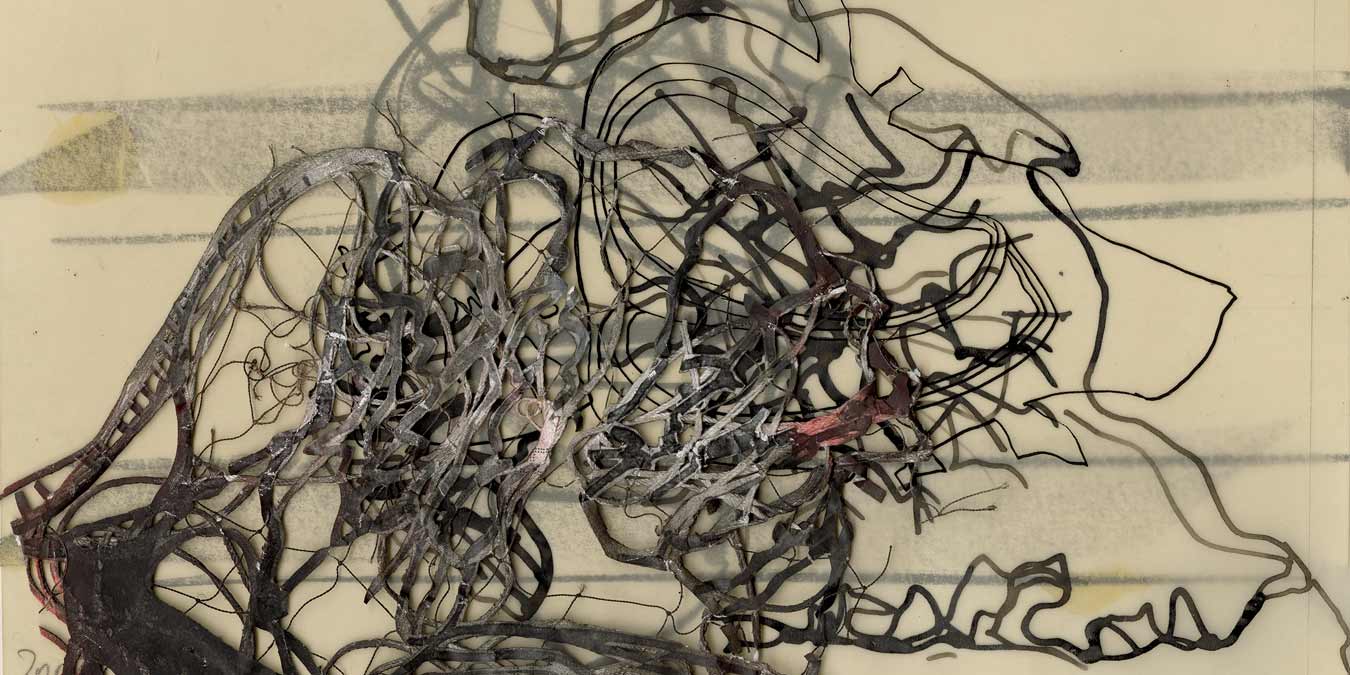
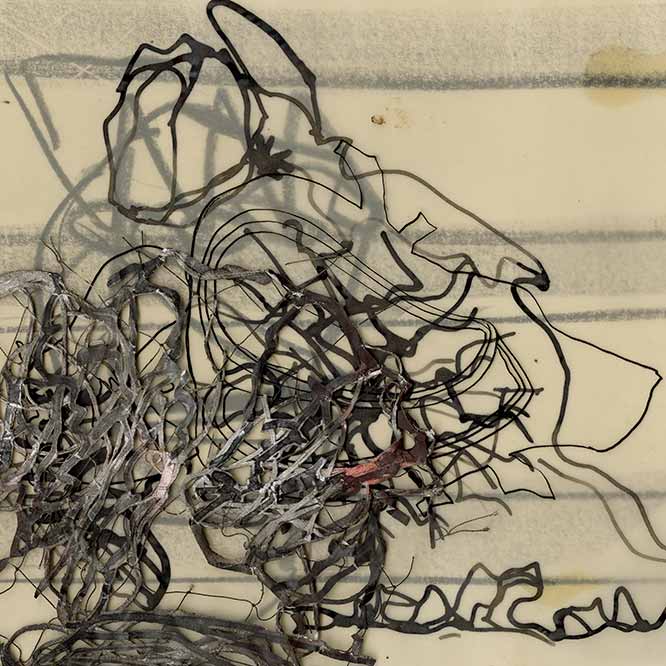
Charcoal, ink, printed foil, thread on paper, 21 × 29.5 cm.

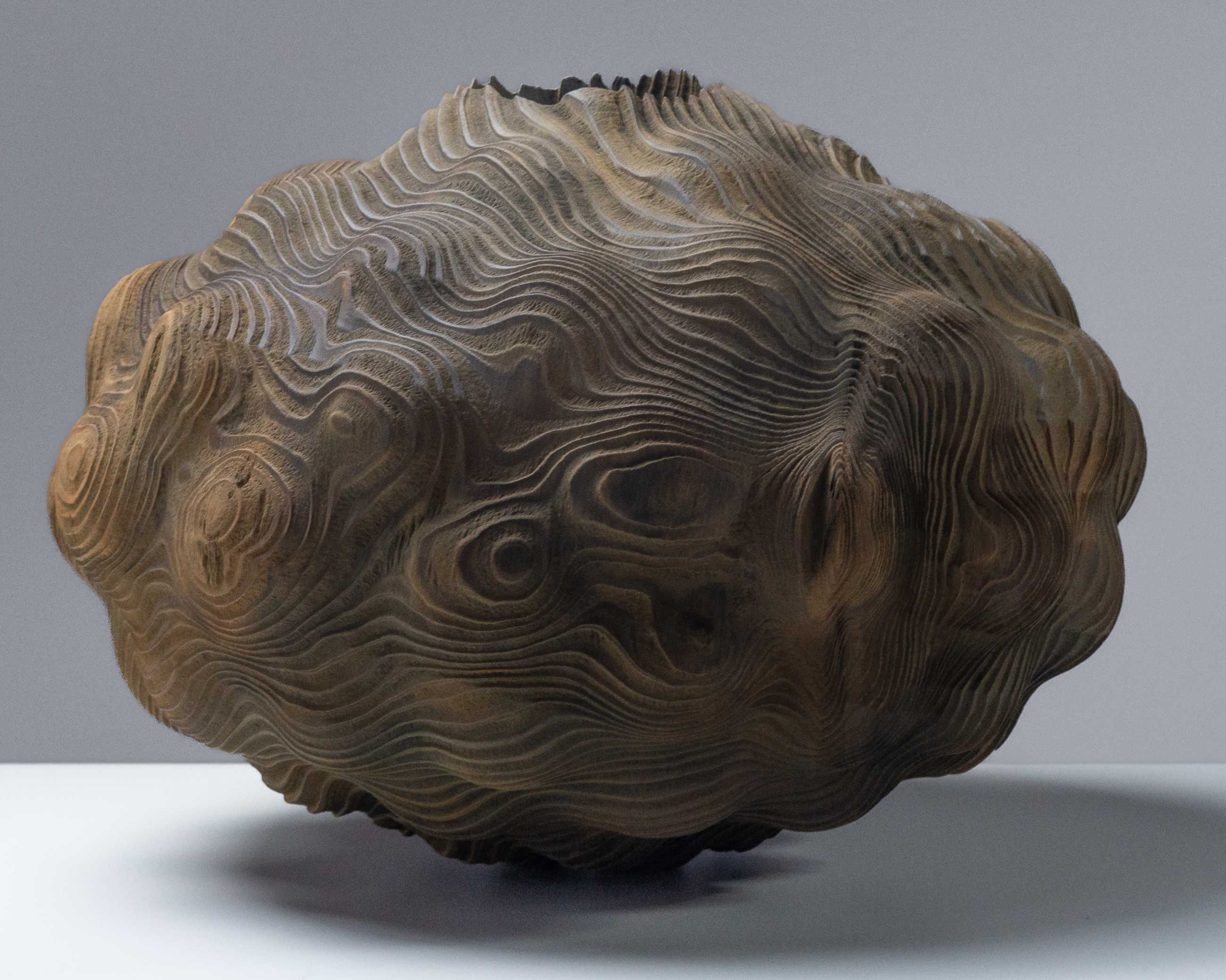
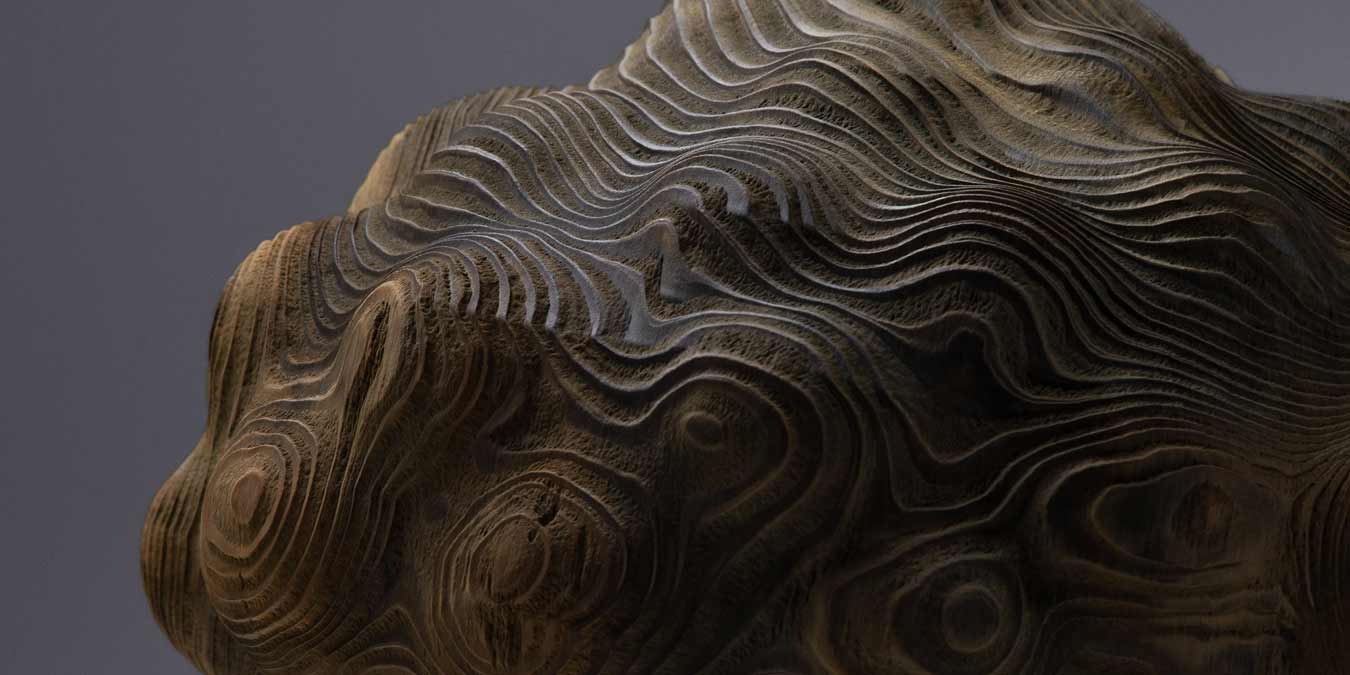
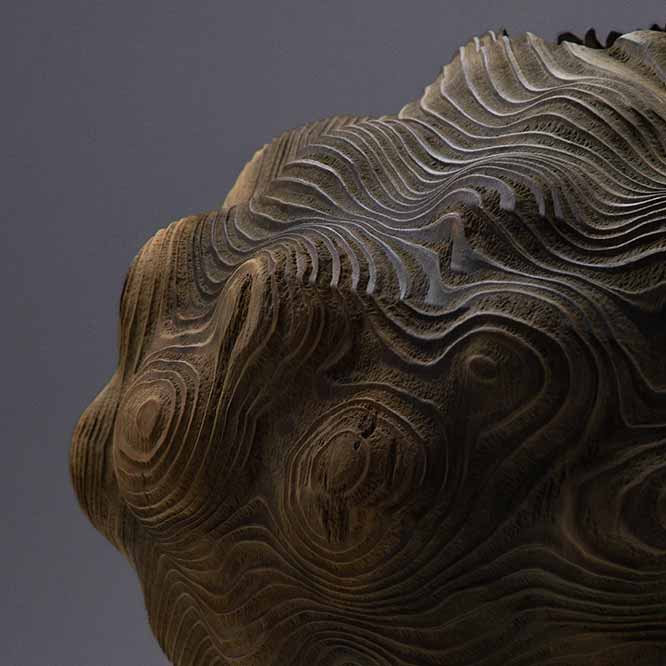
Sequoia, iron-stained, 38 x 38 x 28cm.
Phot: Evan Mason
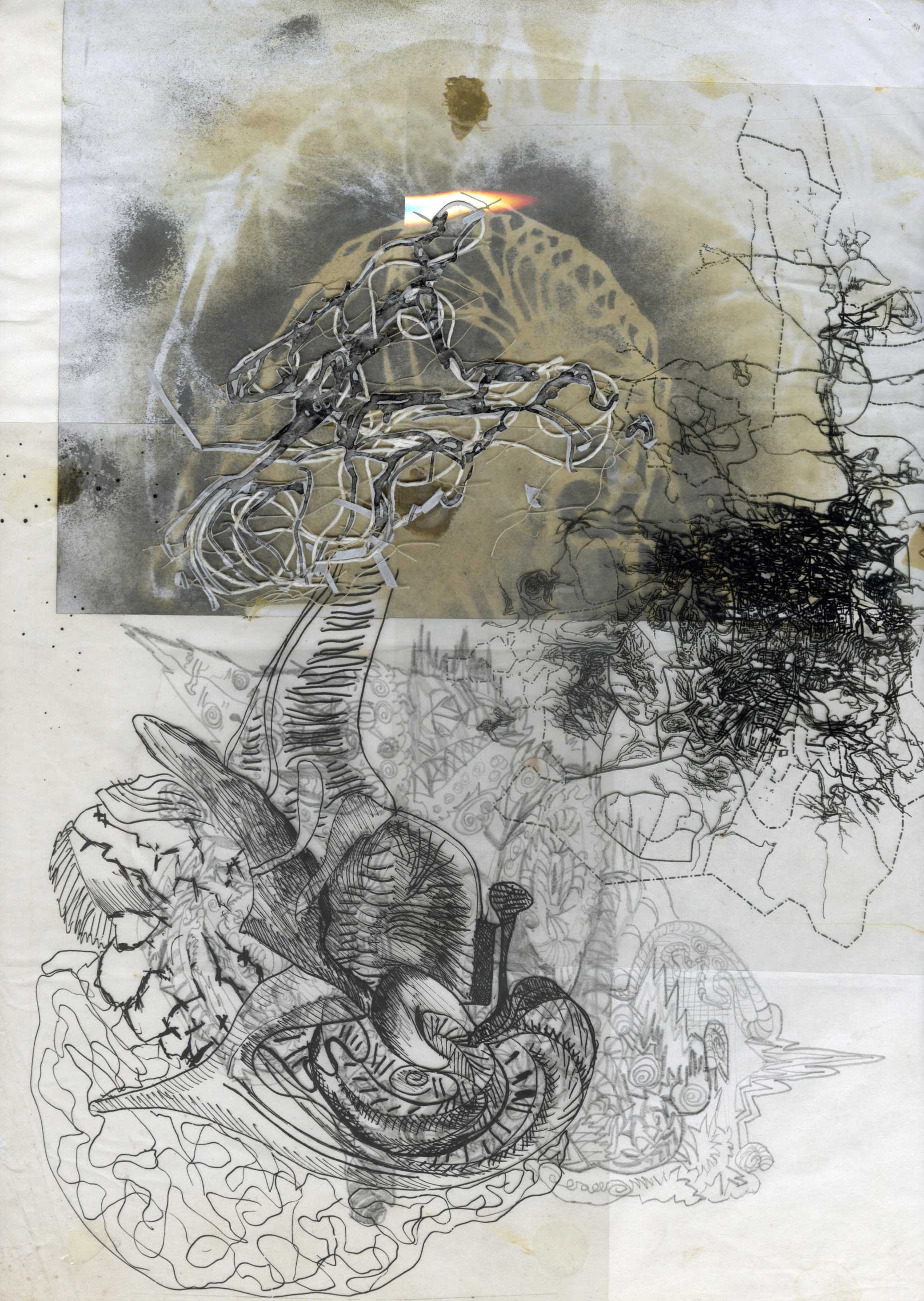
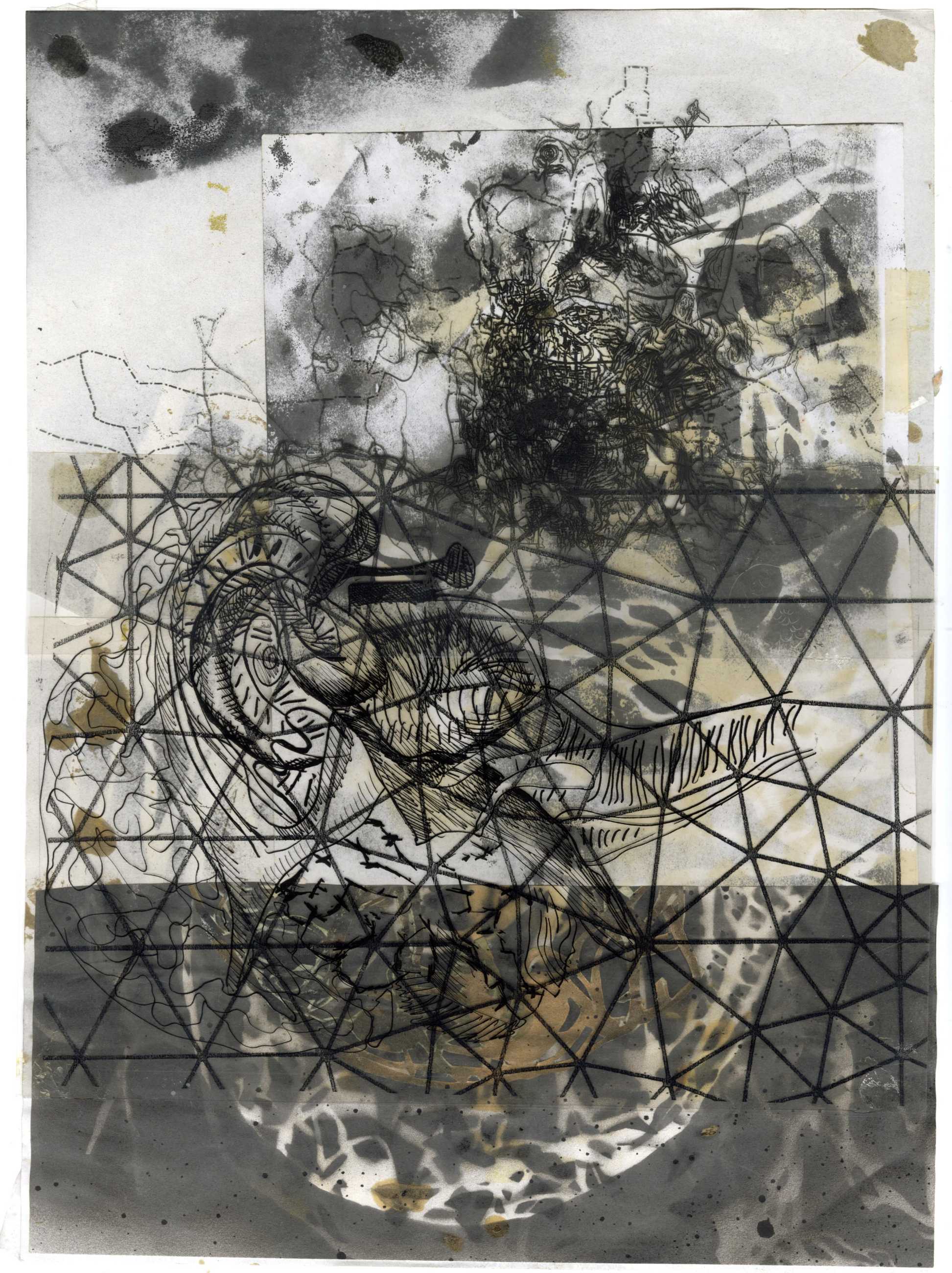
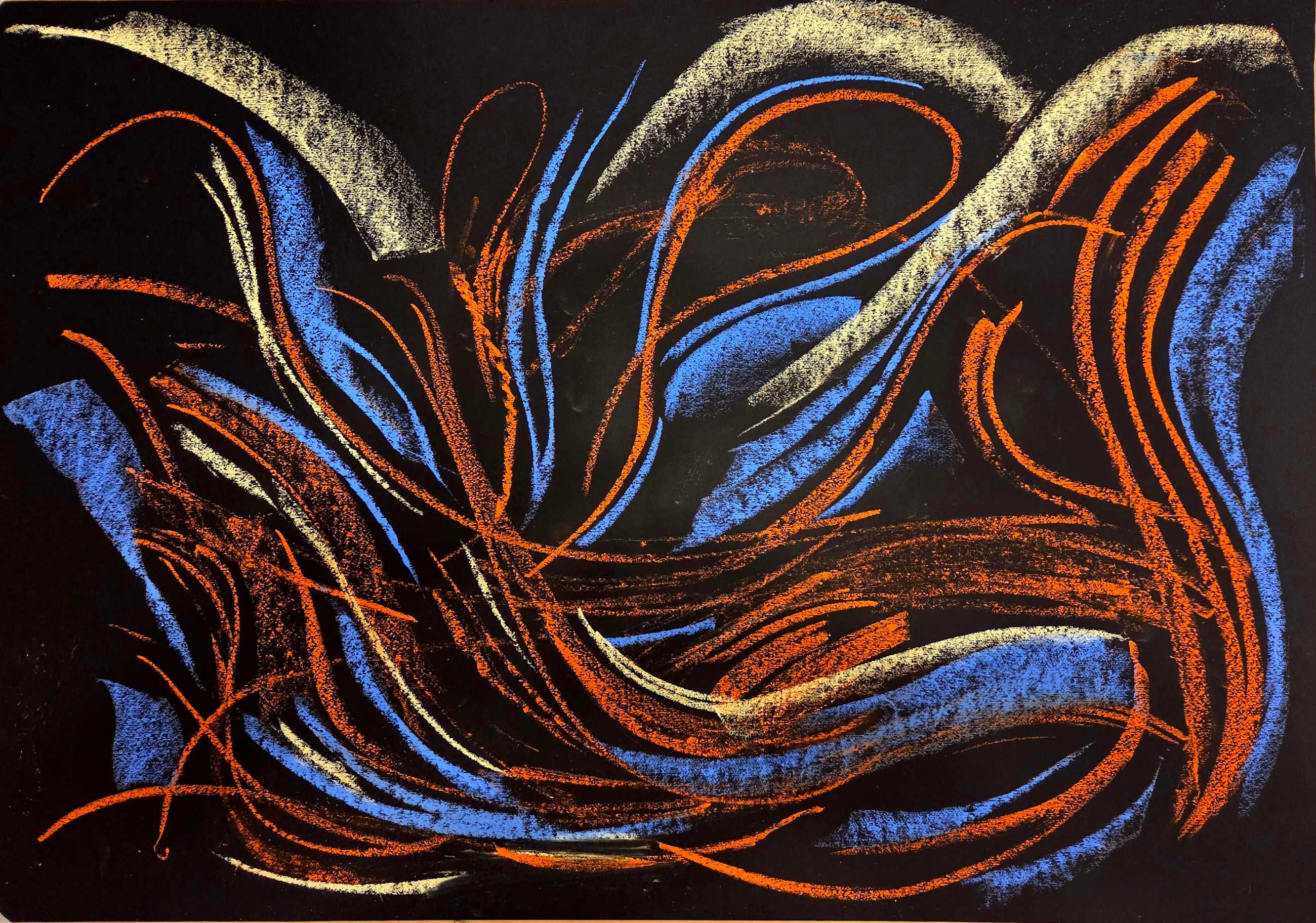
Dynamic gestural drawings are shown by Elisabeth Lalouschek from her recent residency in Venice. Lalouschek’s abstract compositions are rooted in gesture, rhythm and the physical act of mark-making. Her works often feature layered lines, colour washes and textures that create a sense of movement and shifting depth. She explores the tension between spontaneity and structure, allowing intuitive gestures to coexist with more deliberate compositional choices.
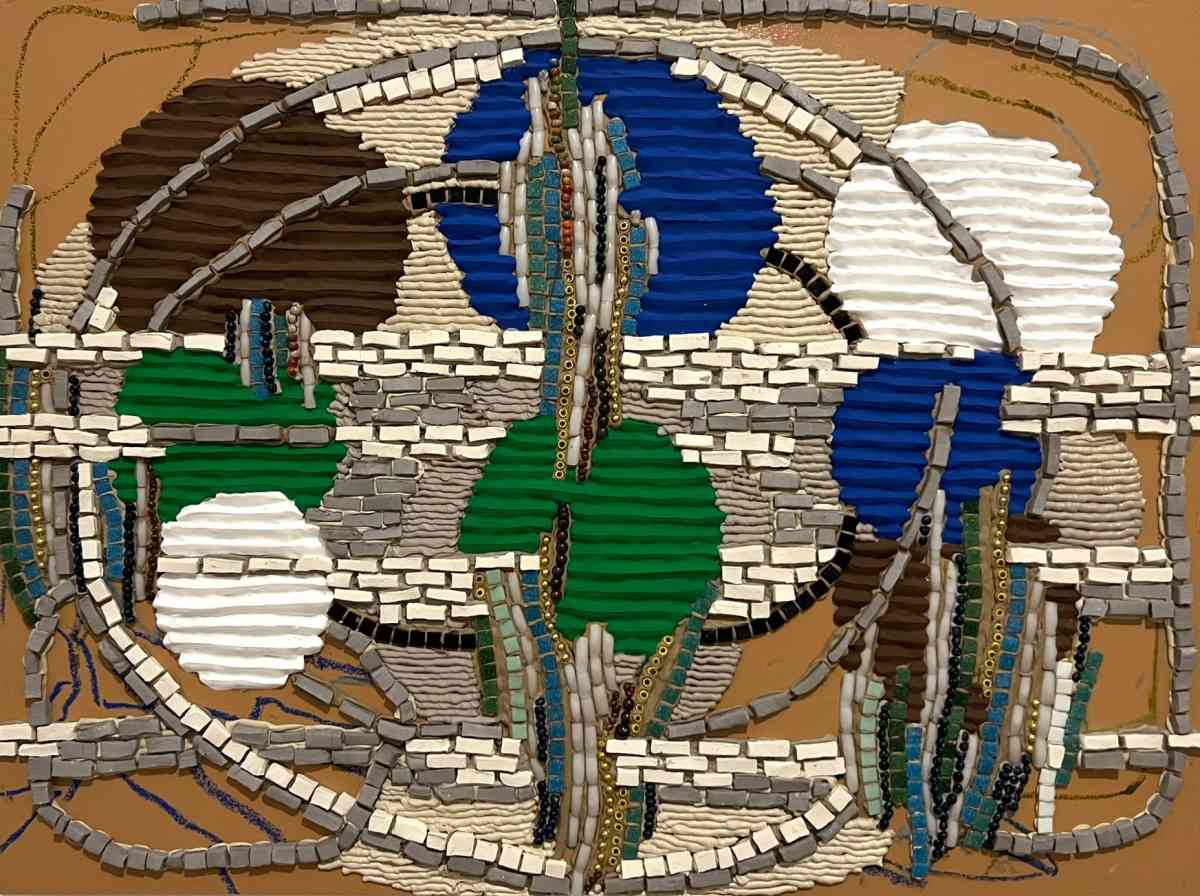
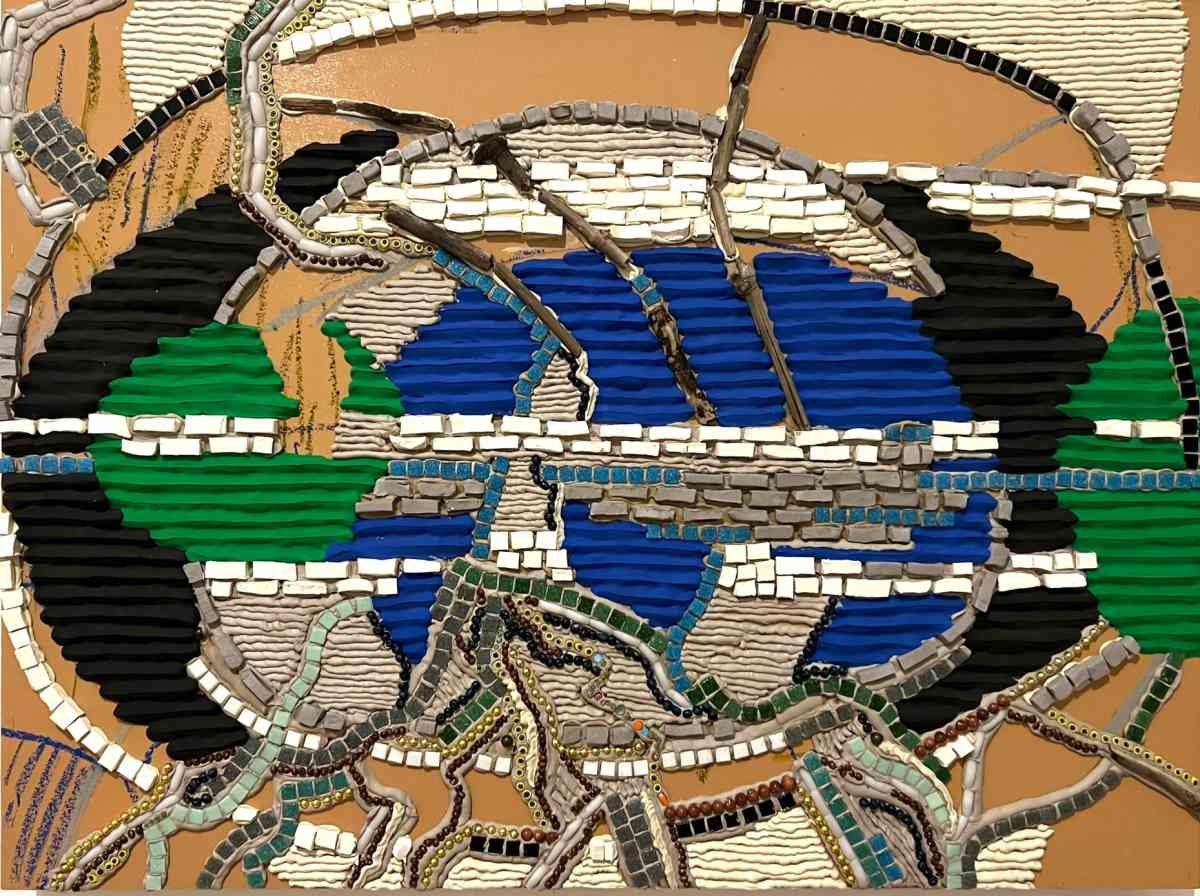
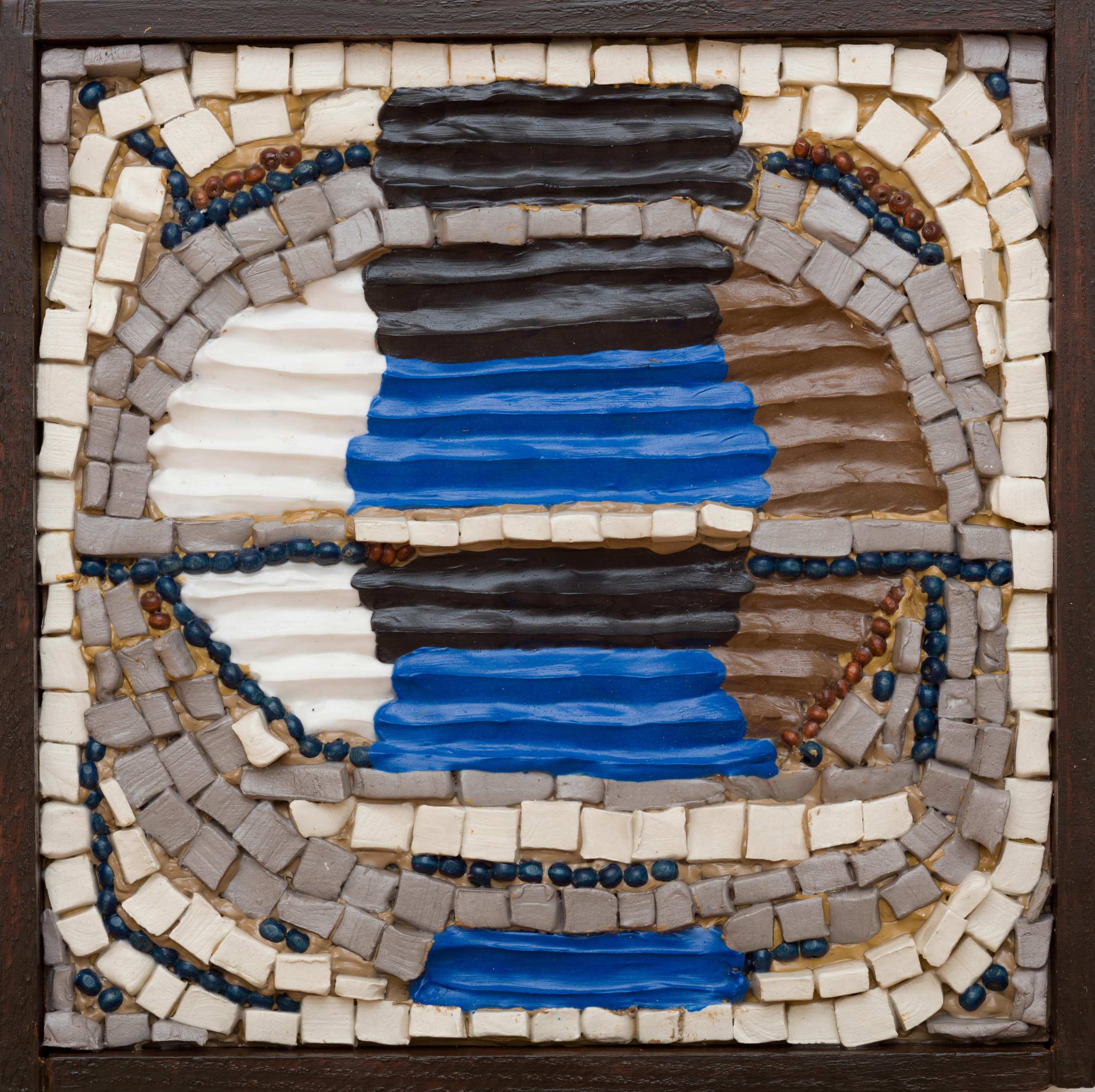
Two new relief paintings presented by Theresa Weber reflect her conceptual approach to the ever-changing nexus of identity. Each canvas is an absorbing blend of cultural, historical and mythological references, connecting to her wider ‘cartographies’ series in which each work presents a rich texture of collage materials including, silicone, acrylic paste, modelling mass, resin and print. Across the dense collage, Weber embeds her fingerprint as an archival trace and inlays acrylic nails to symbolise Black female empowerment. These works reveal an intuitive mapping of the intersectional body from a de-colonial perspective that resists the Western idea of the ‘grid’ or linear time in favour of organic forms, energy fields and circular time as an act of resistance.
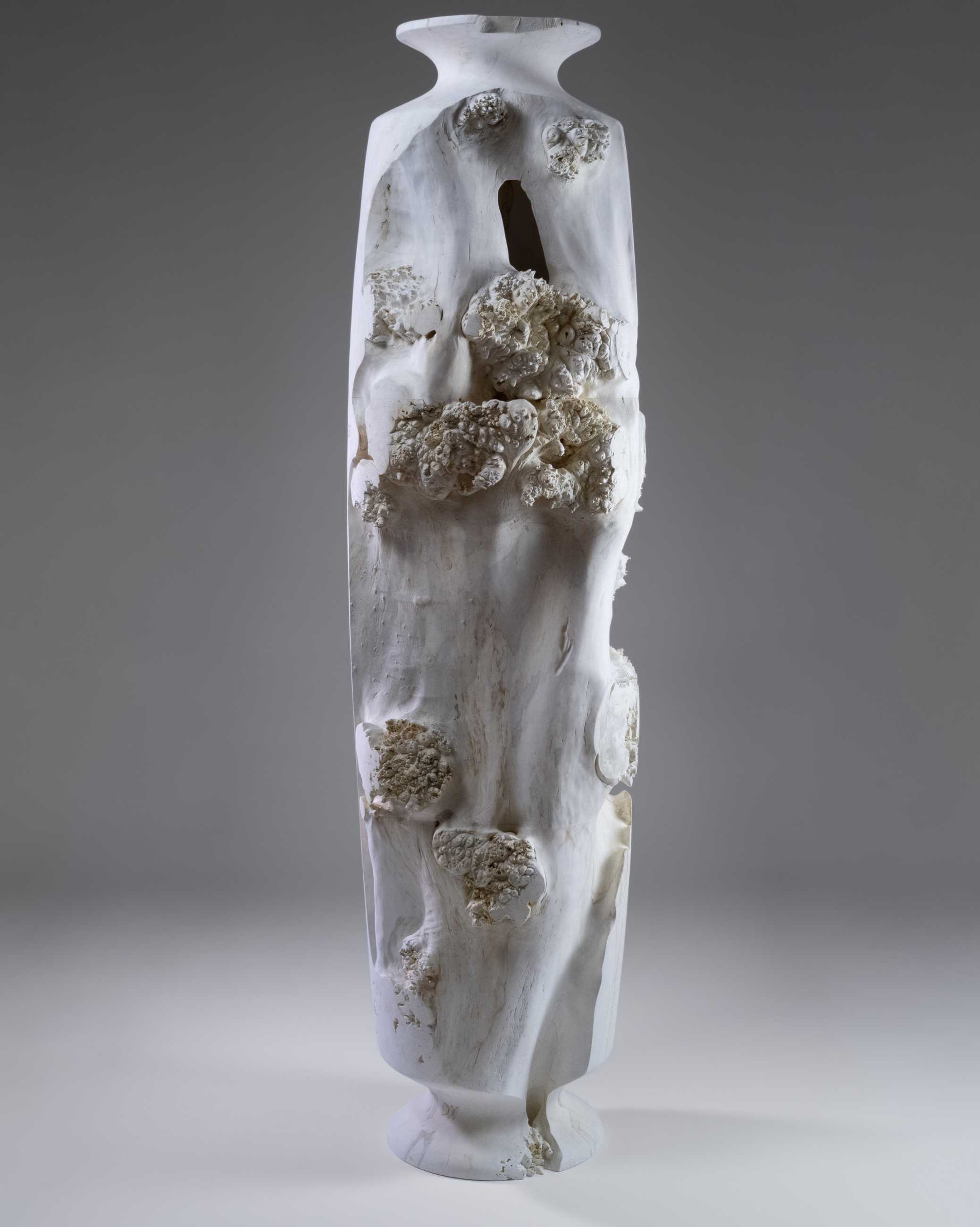
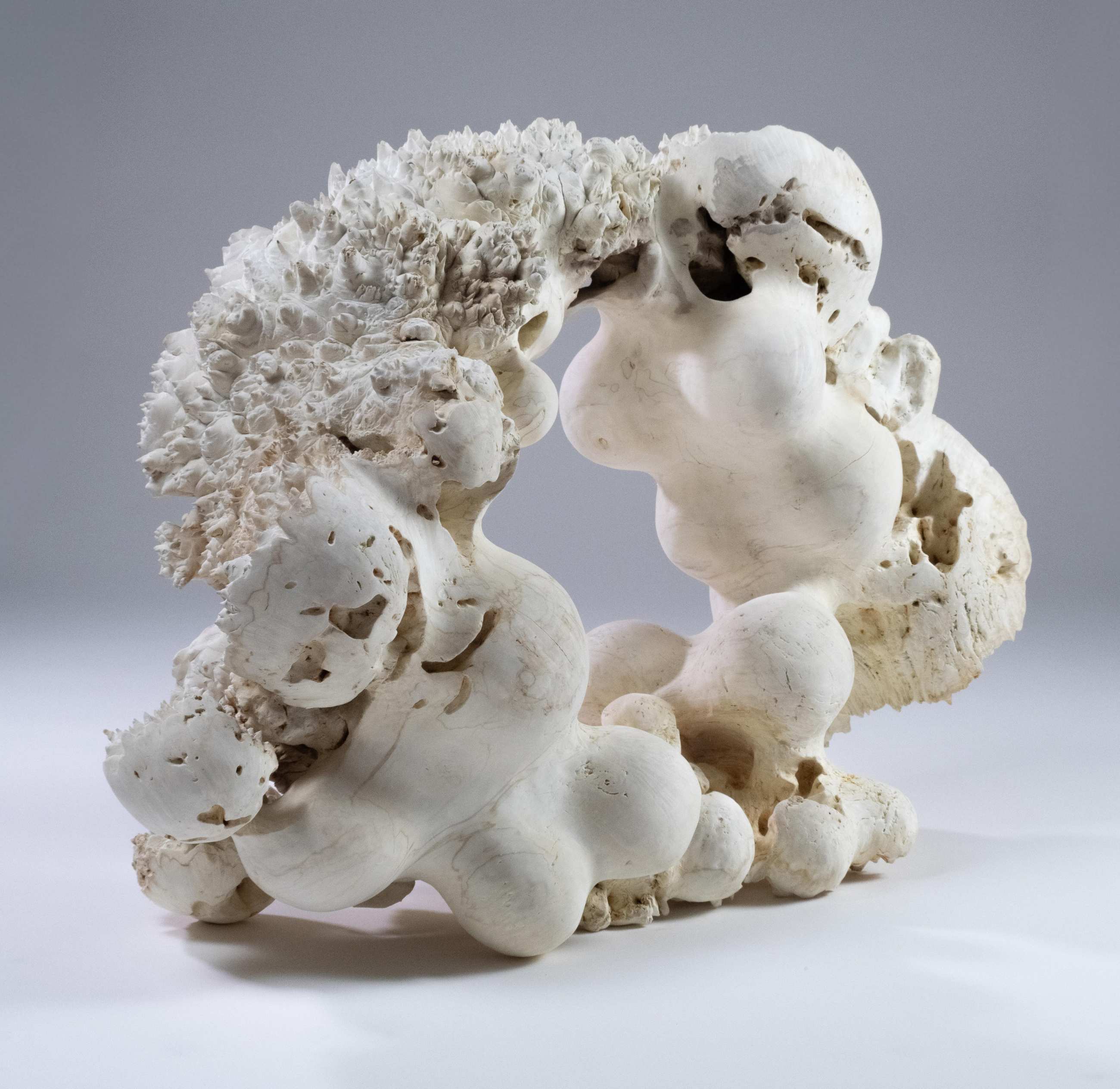
Other works exhibited celebrate line within nature’s formations, such as Column Vessel by Eleanor Lakelin, an artist who works with the ‘life force’ of trees sustainably felled in the UK, to explore memory, time and material history. By lightening the horse-chestnut wood to soft white, Lakelin reveals the intricate lines and natural patination, emphasising bacterial ‘life-worlds’ indicative of survival, regeneration and hope. Her works in sandblasted sequoia likewise expose how soft summer growth erodes at a different rate than its harder winter counterpart – etching the surface through a process both time-grown and time-worn. These organic lines invite viewers to contemplate new perspectives on sculpture, landscape, and the intricate ecology of trees. Her distinct practice balances the interplay of void and containment in vessel form, guided by the living medium and memory of wood.
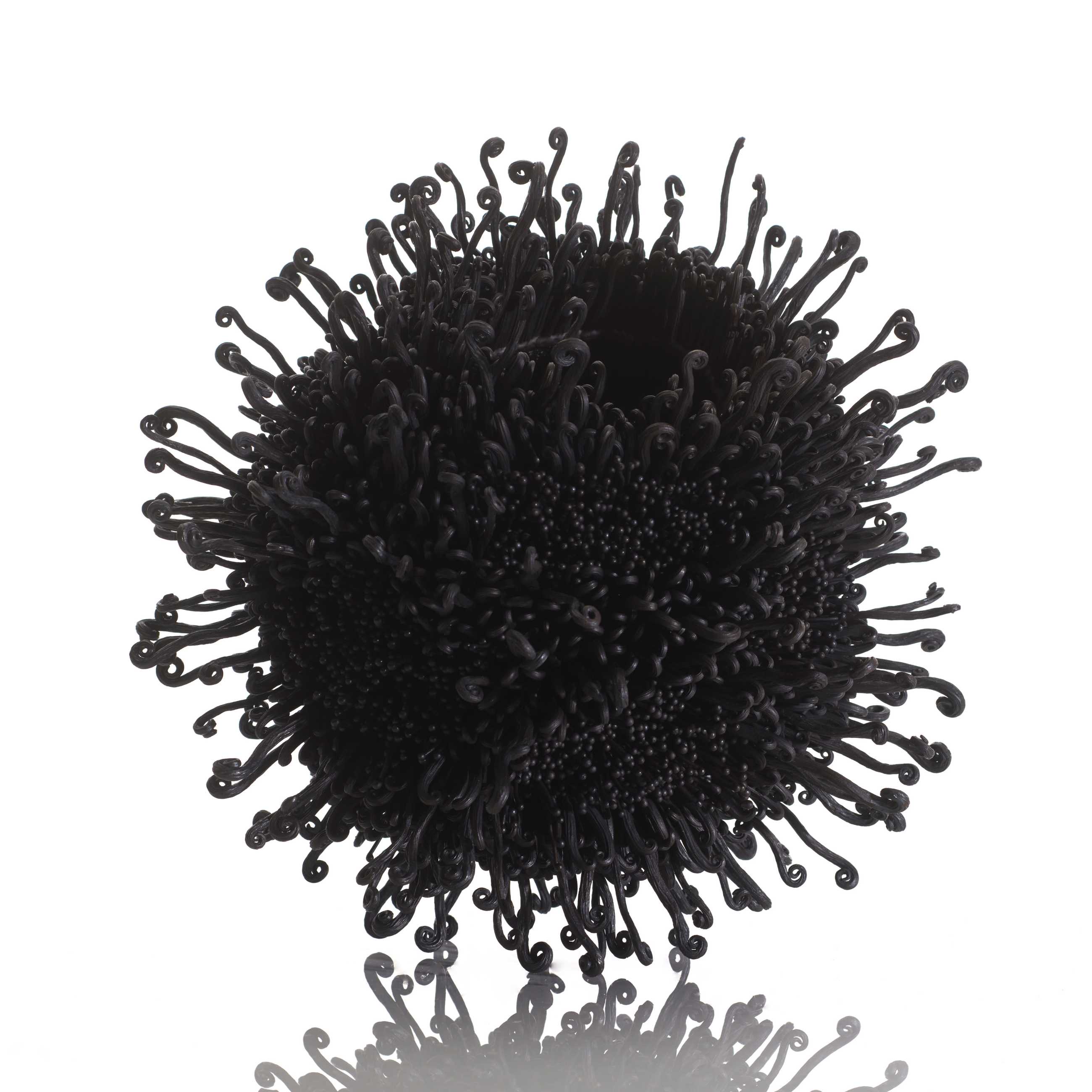
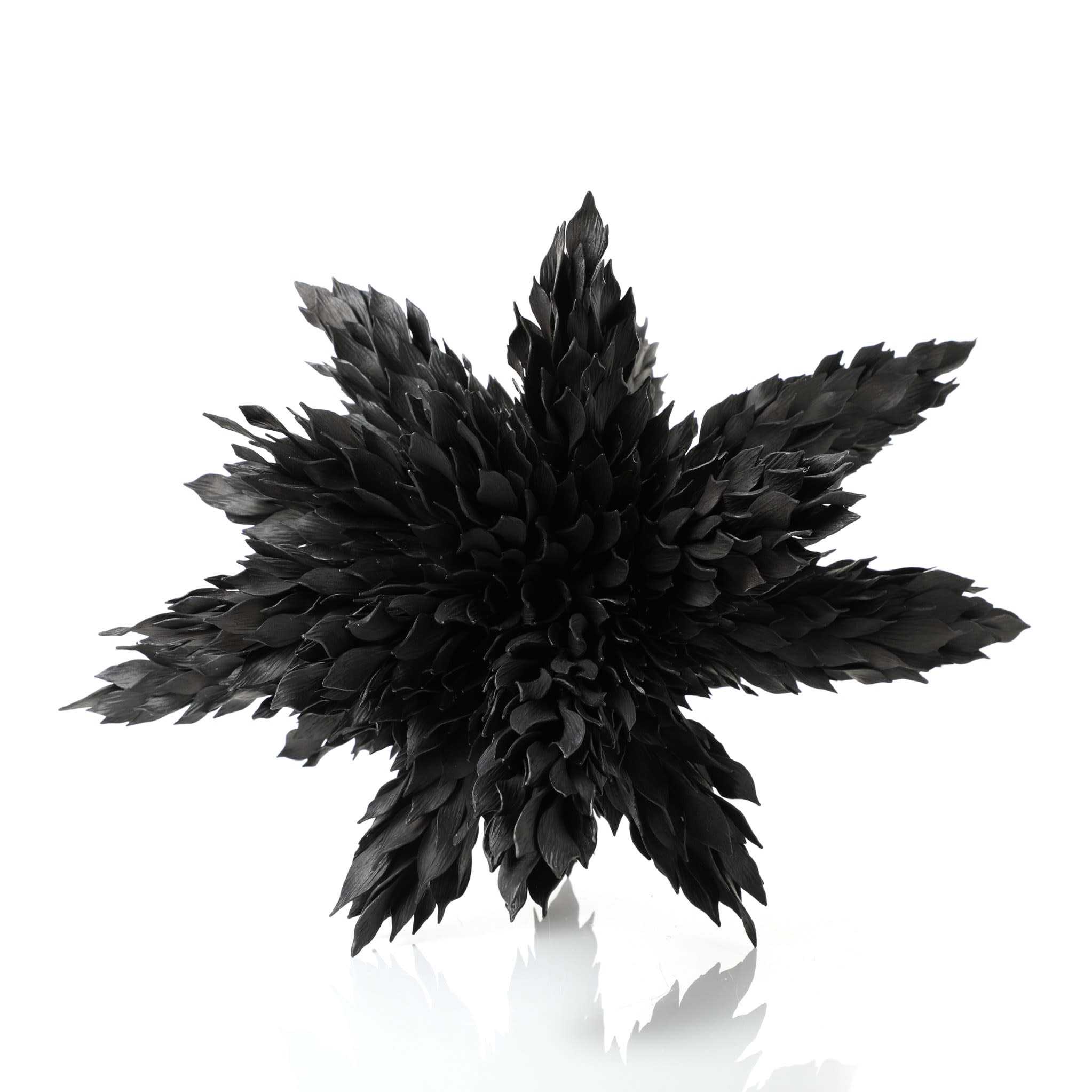
Junko Mori who is celebrated for her intricate metal sculptures inspired by organic forms similarly looks to the natural world. Working primarily in forged steel, her series Propagation Project, demonstrates meticulous, layered welding as she builds assemblies of repeated hand-made elements that echo the endless variation found in nature. Guided by nature, both Lakelin and Mori understand line as a transformational tool, whether carved into or built upon, using it as a means of wayfinding through the evolving dialogue of sculptural creation. Junko Mori’s works are exhibited courtesy of Adrian Sassoon, London.
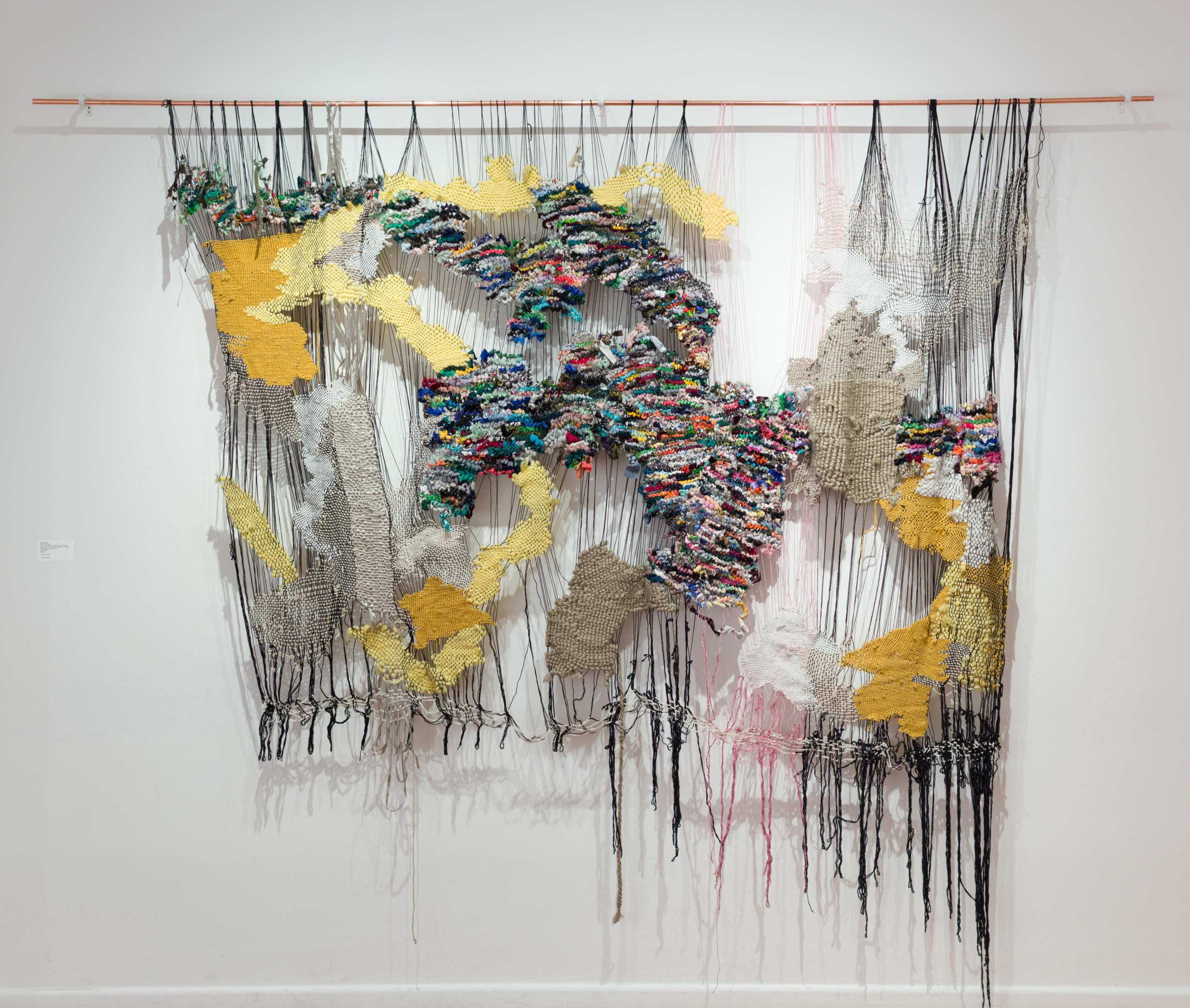
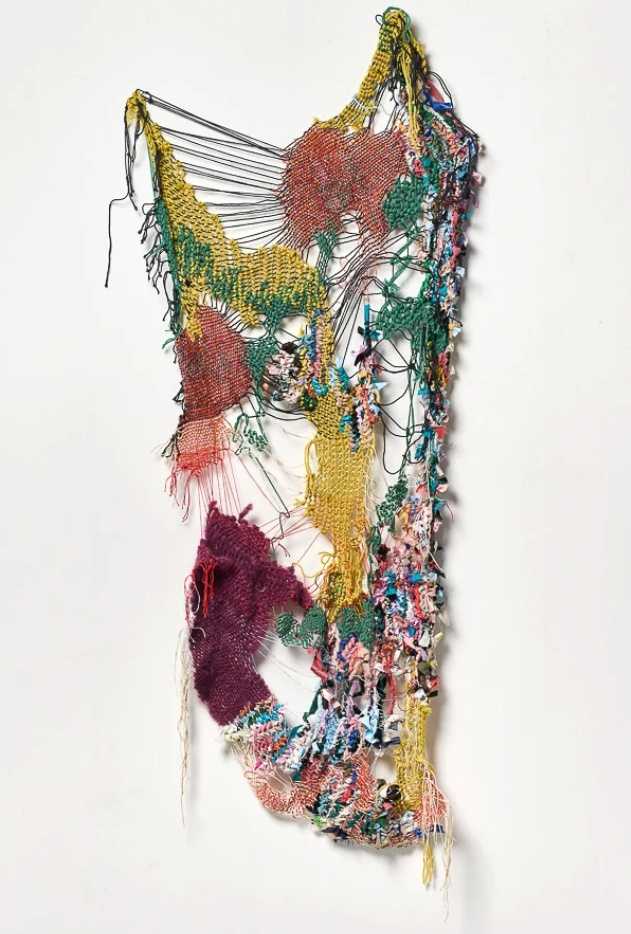
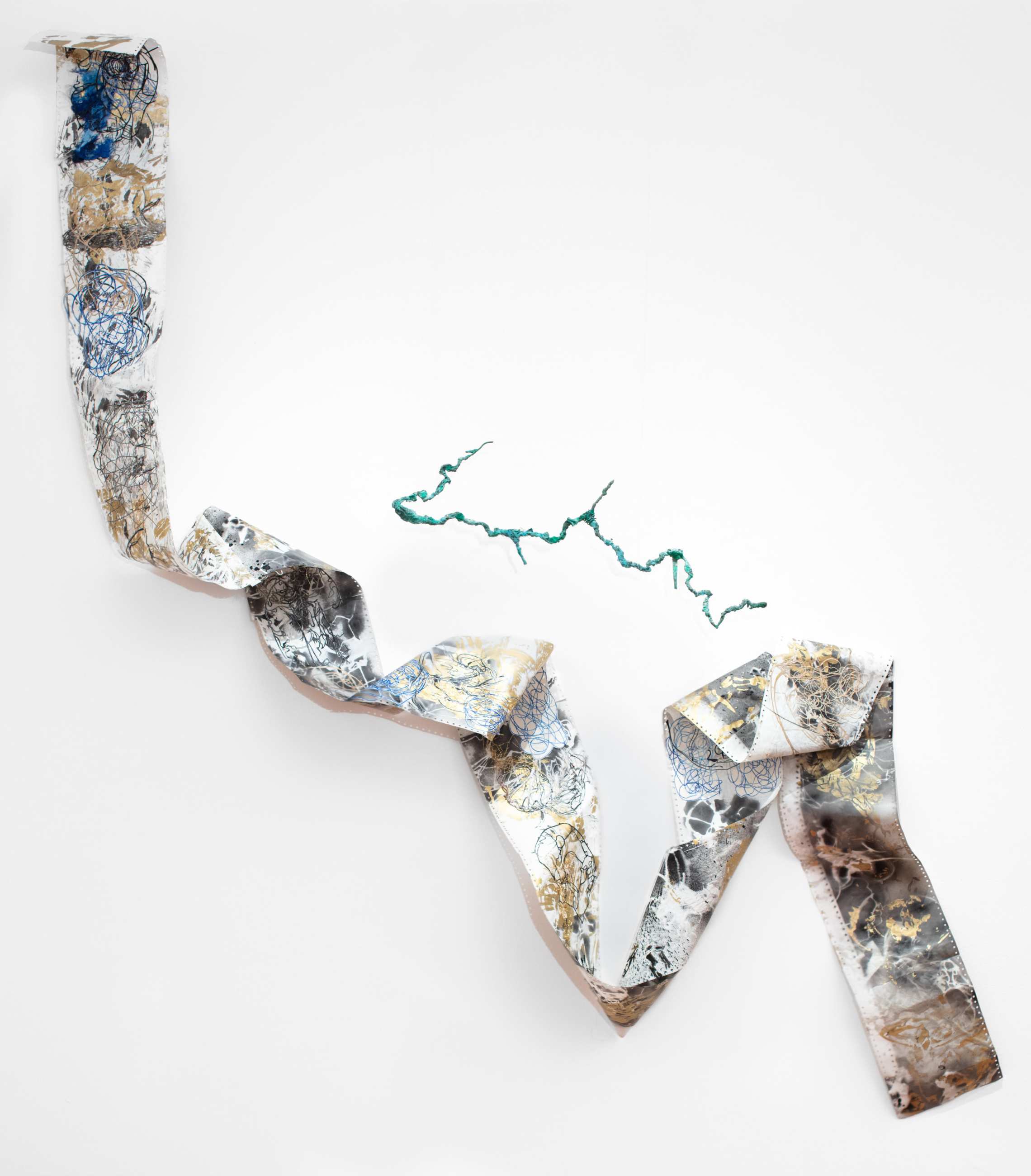
Bev Butkow’s work transgresses the boundaries between textile art, painting, sculpture and installation. She works experimentally across and between these genres, using weaving as a literal and figurative process that connects the material, the personal and the social. Her materially and conceptually rigorous practice interrogates how we walk upon the earth, alone and in community. The process becomes a catalyst for reimagining social and spatial futures that are grounded in deep feminine wisdom and embodied ritual.
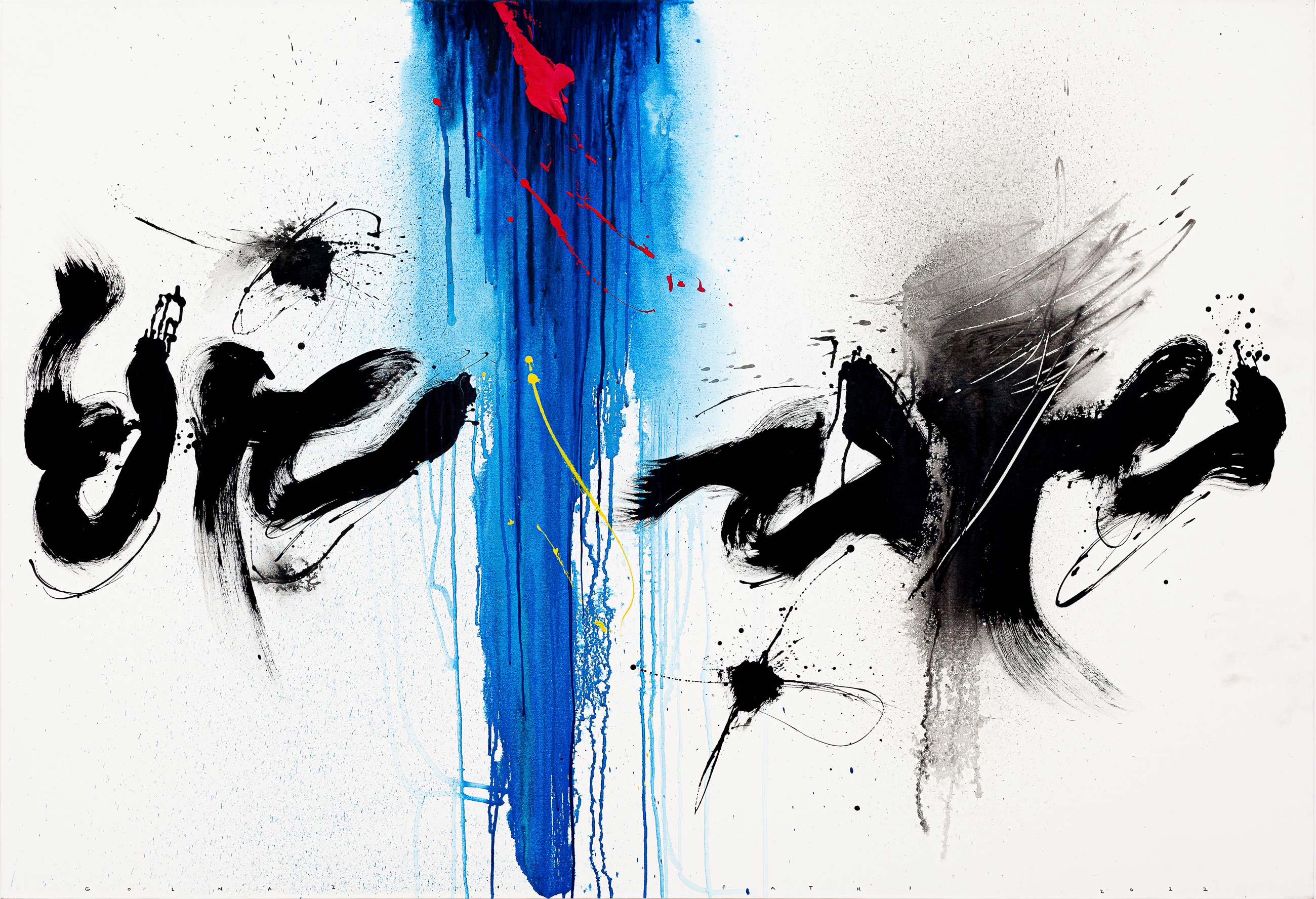
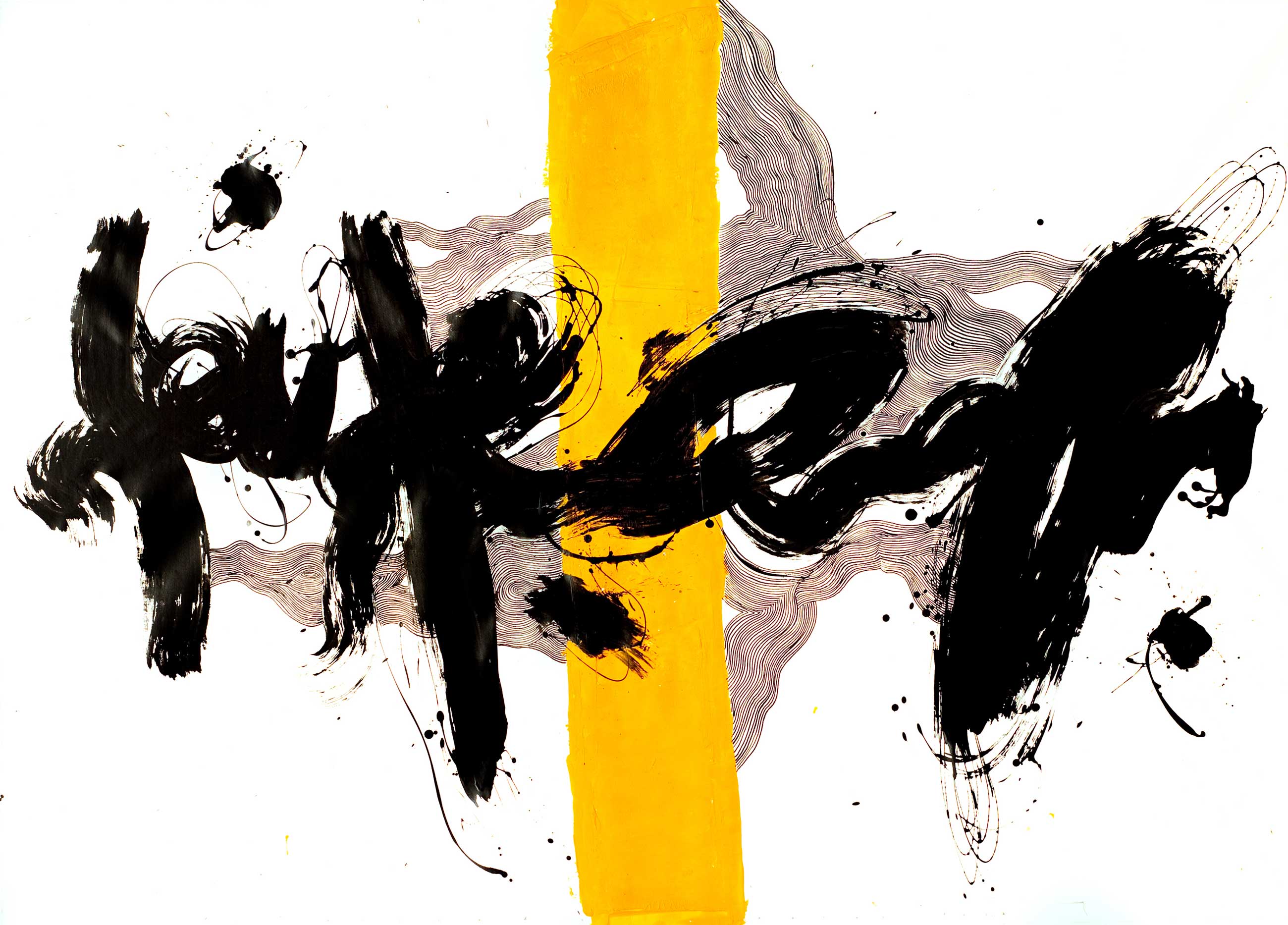
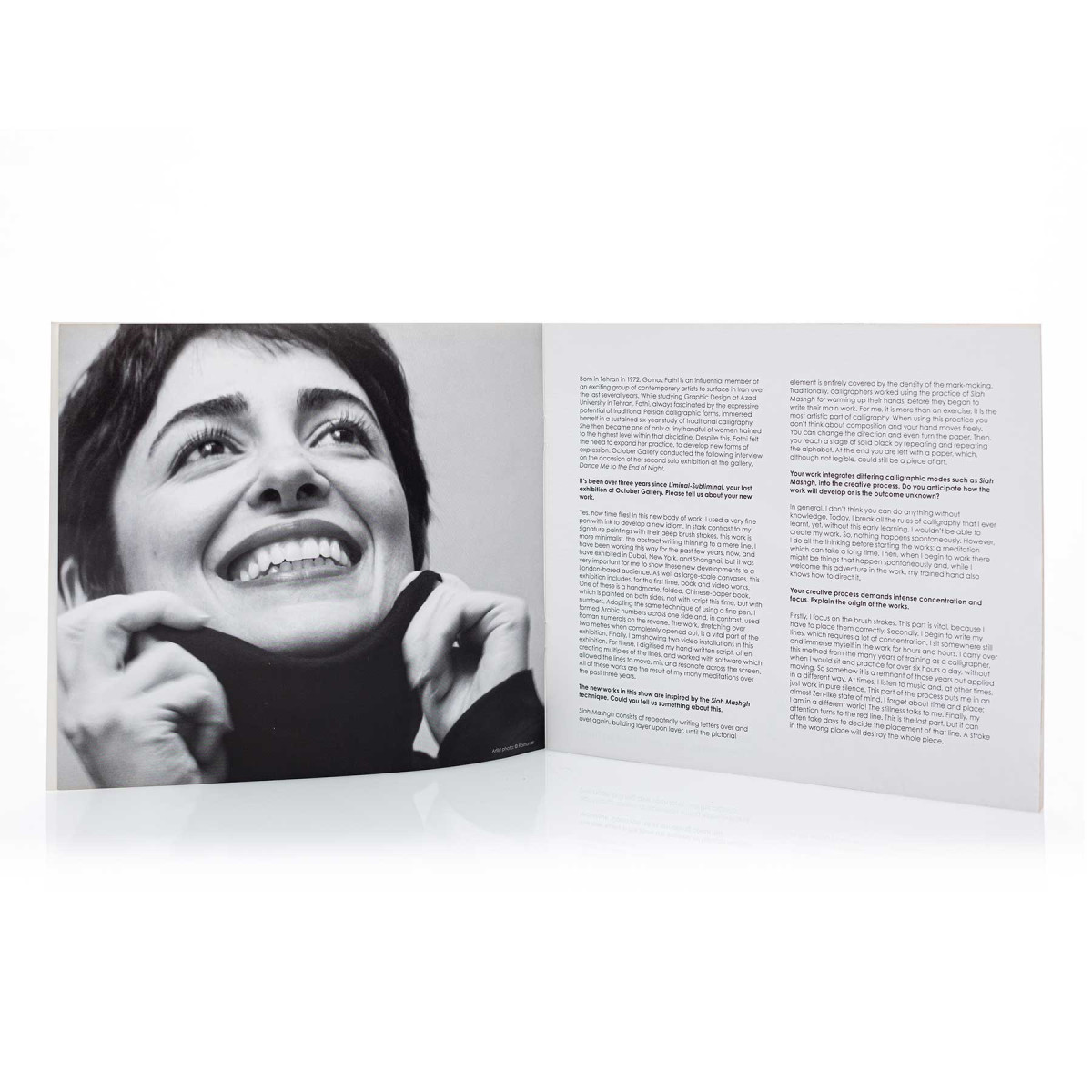
Work by Golnaz Fathi explores the potential for overlap and exchange between the quite separate domains of modernist abstraction and classical Persian calligraphy. Her canvases operate in the ‘interzone’ between script that is absent of meaning and the broad field of potential significance offered to each spectator by that telling absence. In continuation of calligraphic sensibilities, Tian Wei’s detailed paintings explore the intersection of language, philosophy and abstraction. Through a restrained palette, he layers repeated words as a spiralling background. Drawing from Chinese calligraphy, the central word overlain on the canvas is a major focal point – yet interpreting the meaning of the flowing shapes can only be resolved in English.
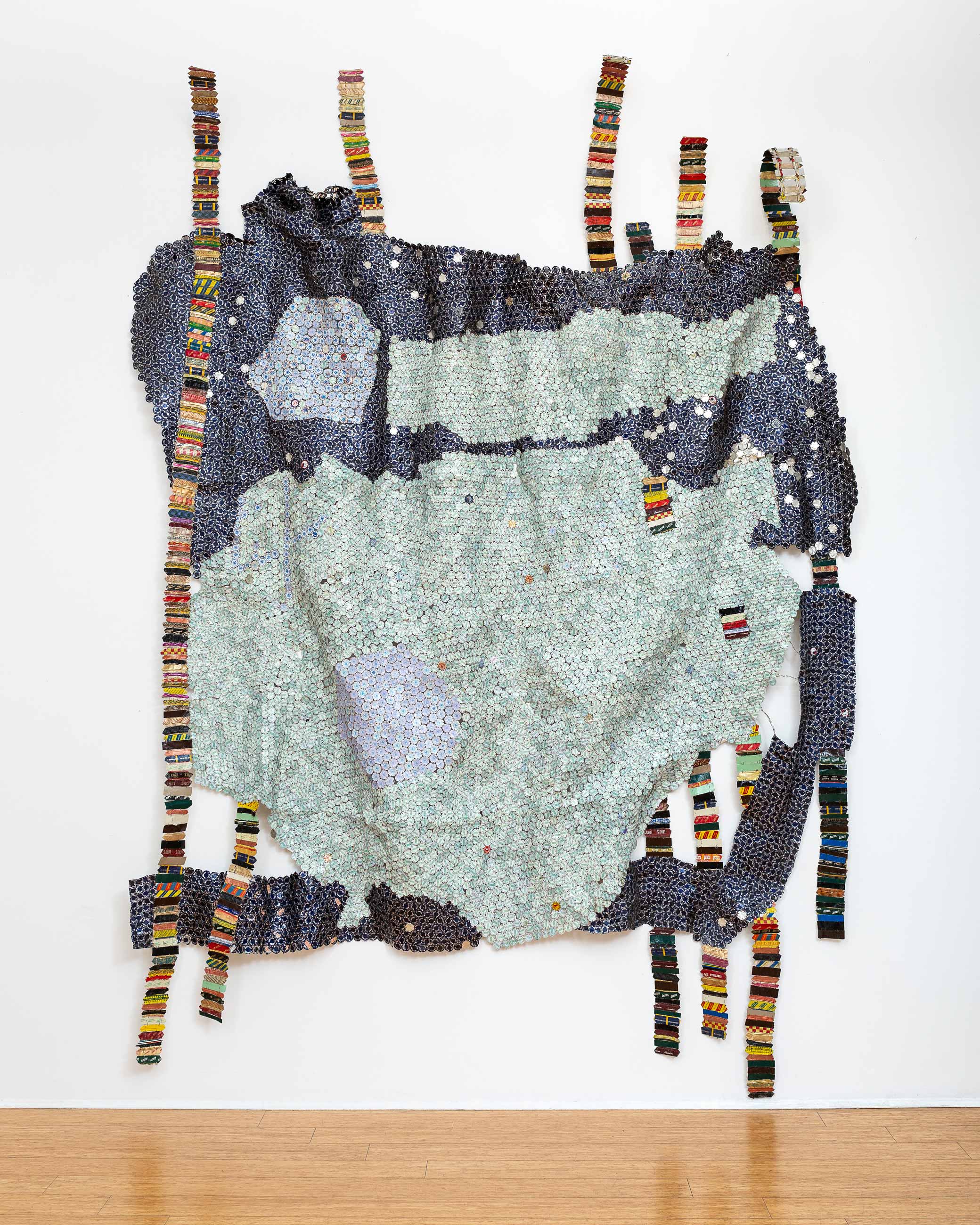
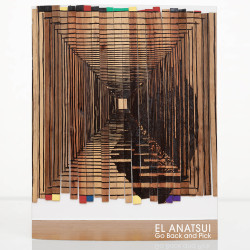
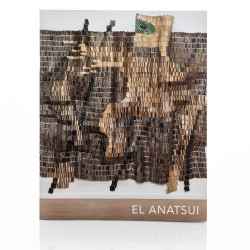
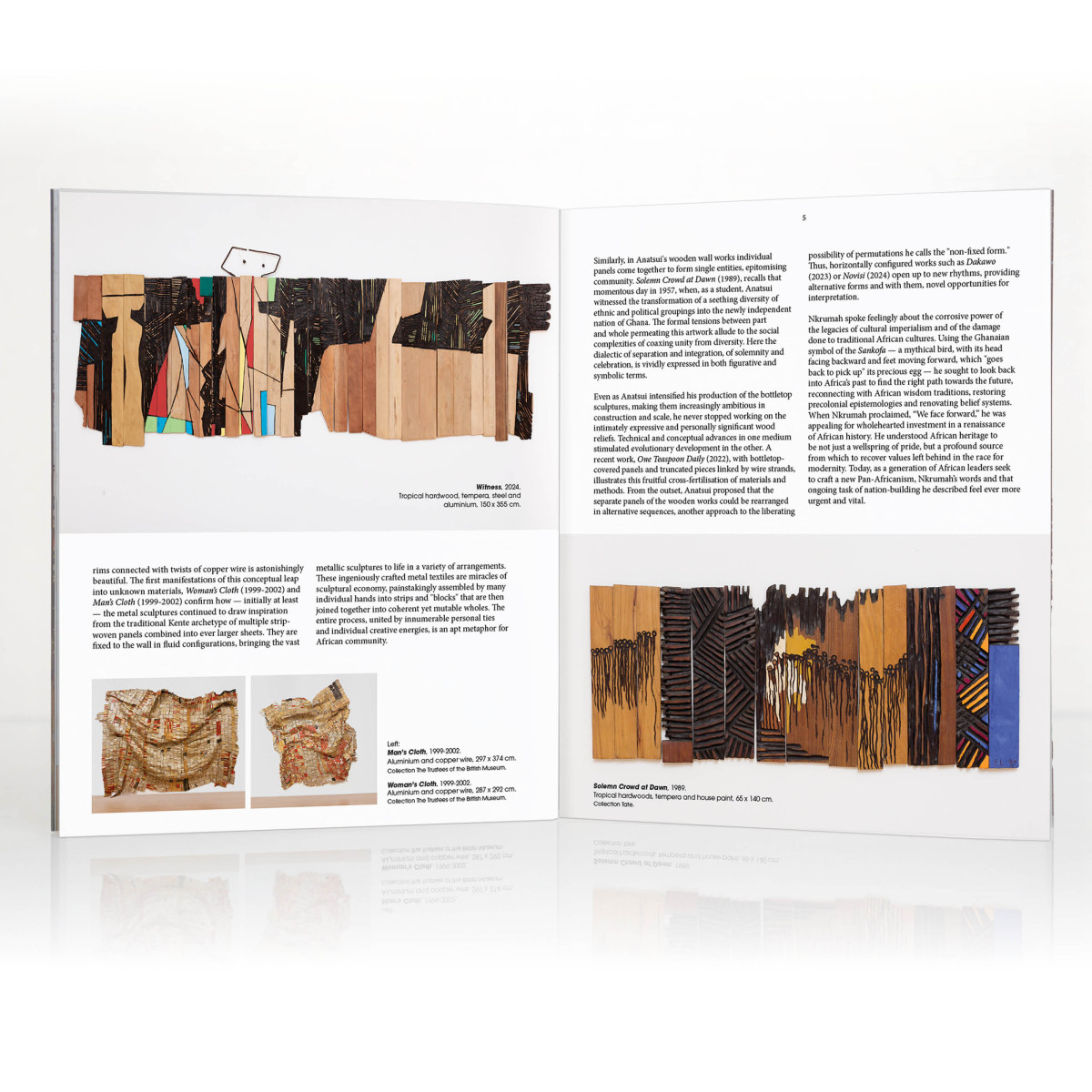
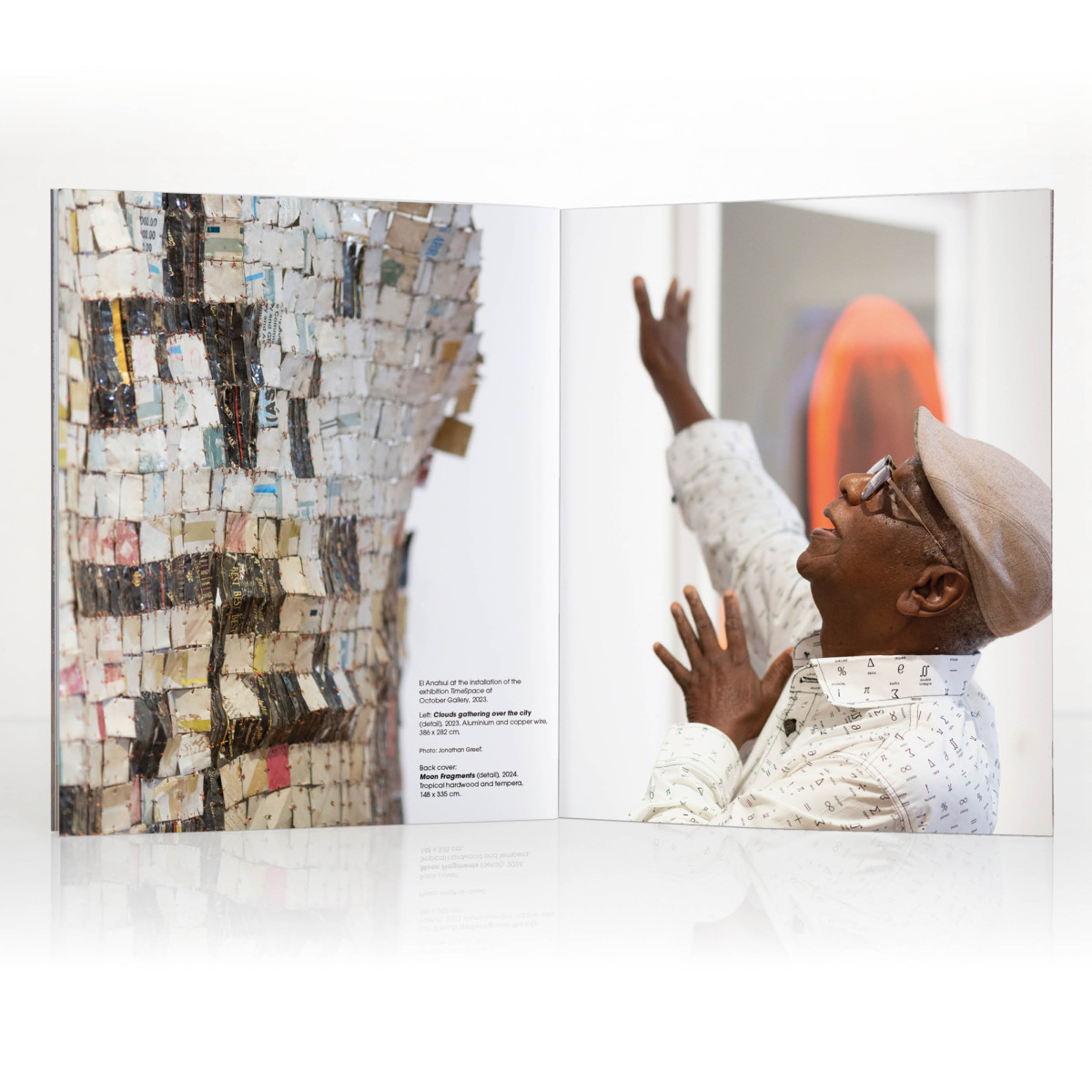
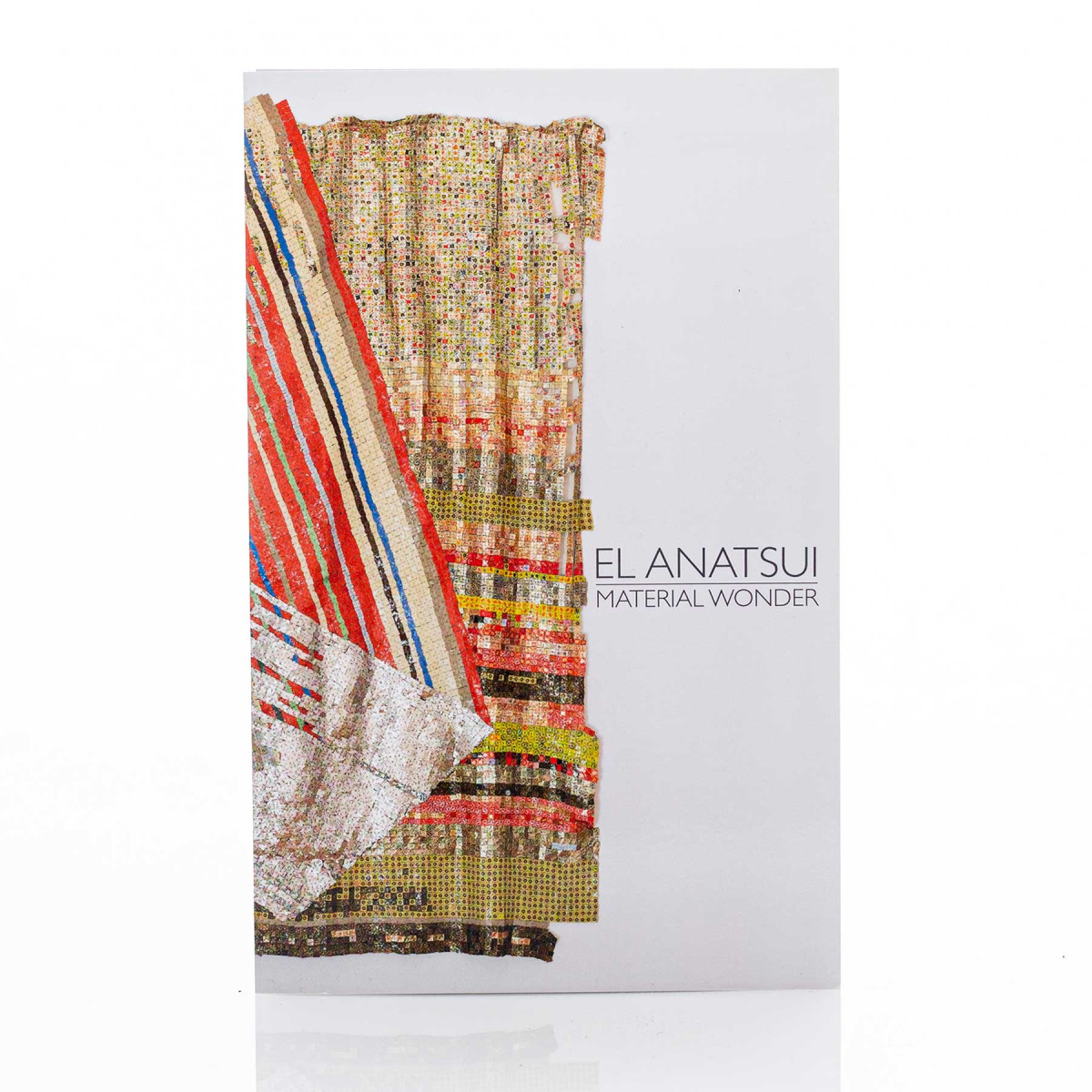
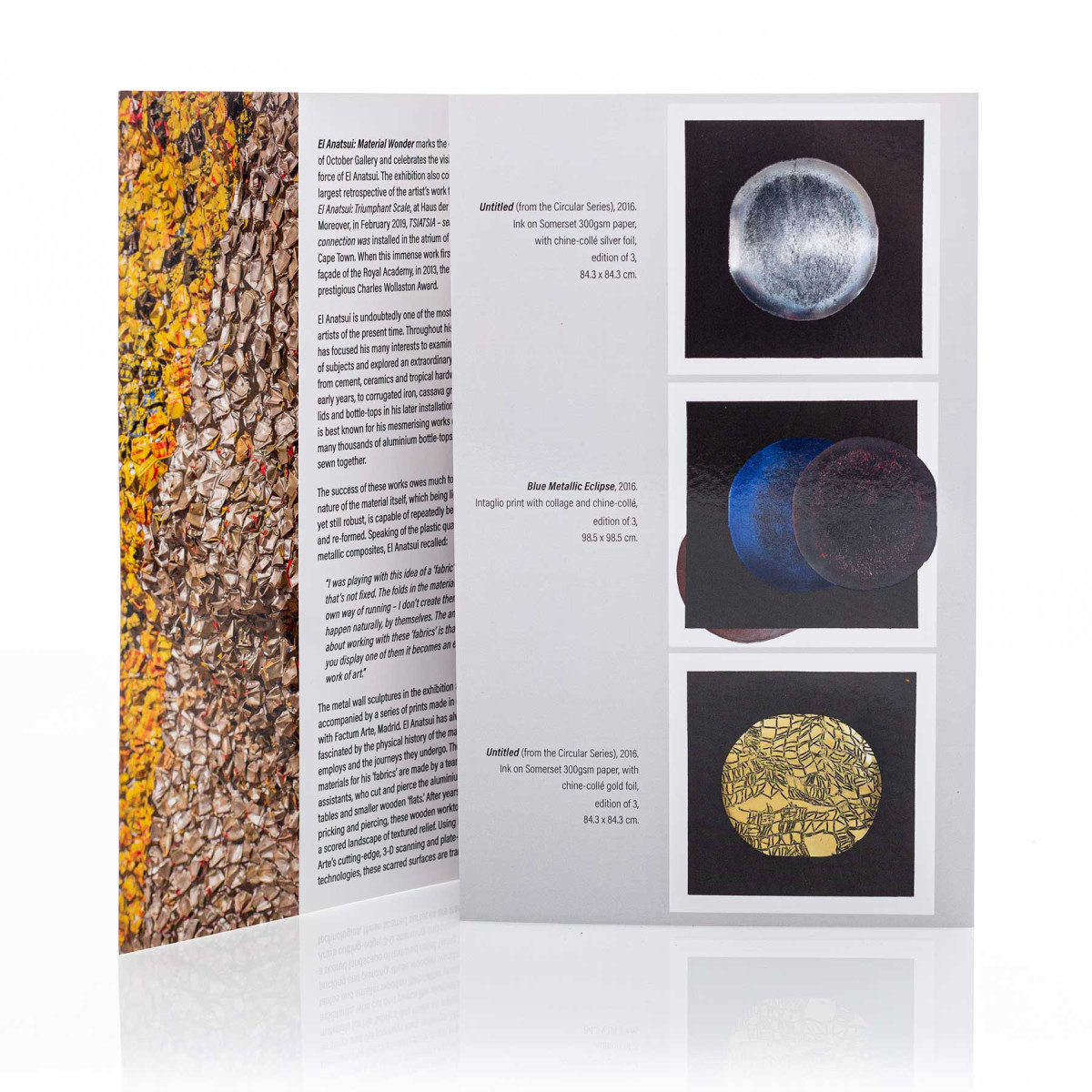
Within El Anatsui’s Earth struggling to grow roots and leaves, 2023, the viewer sees bottle tops layered together with coloured lines reaching out across the work, masterfully sewn together with copper wire to create a dynamic wall hanging sculpture. Throughout his large-scale artworks, El Anatsui creates connections that symbolise communication, lineage, history and global interconnectivity.
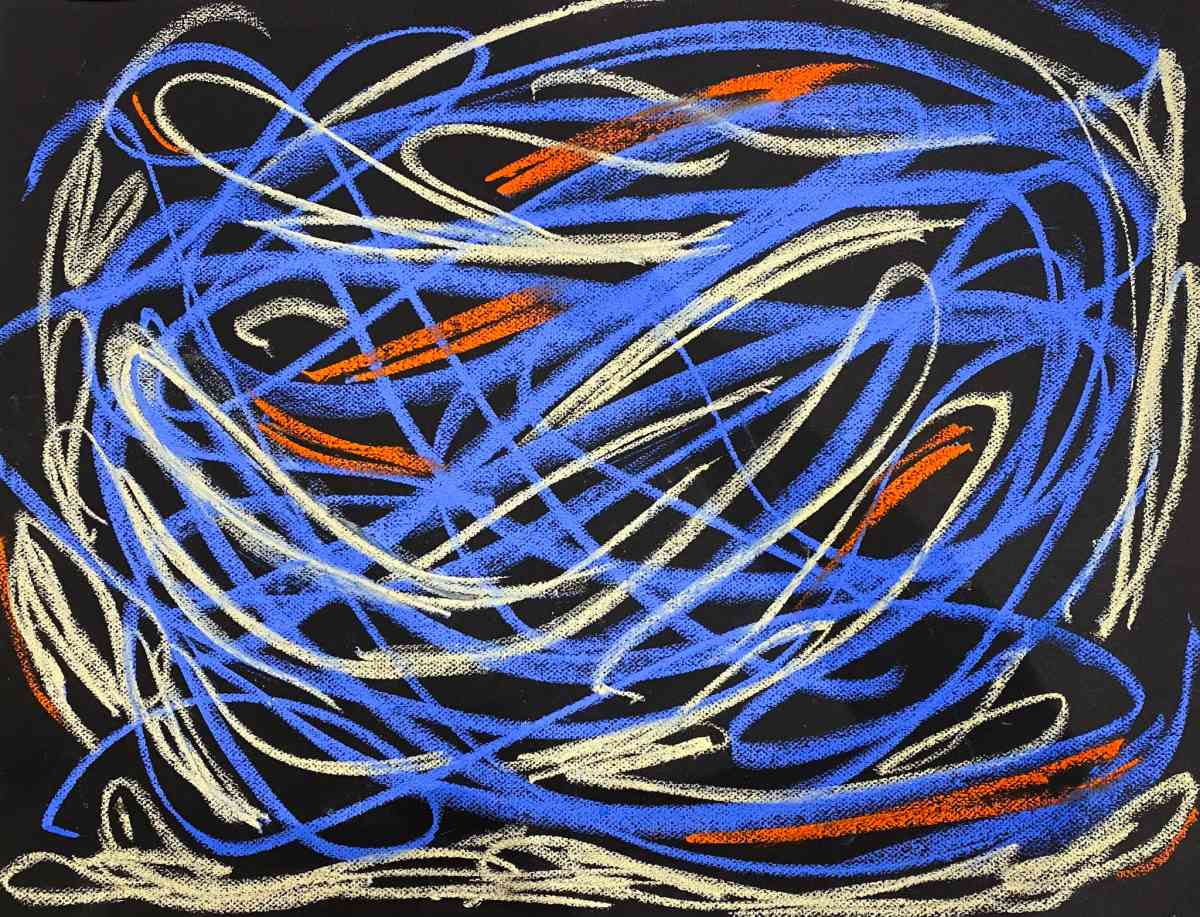
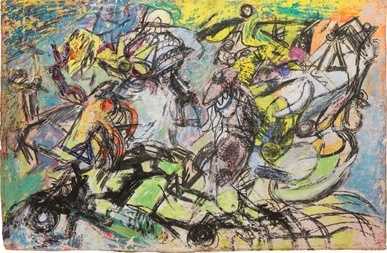
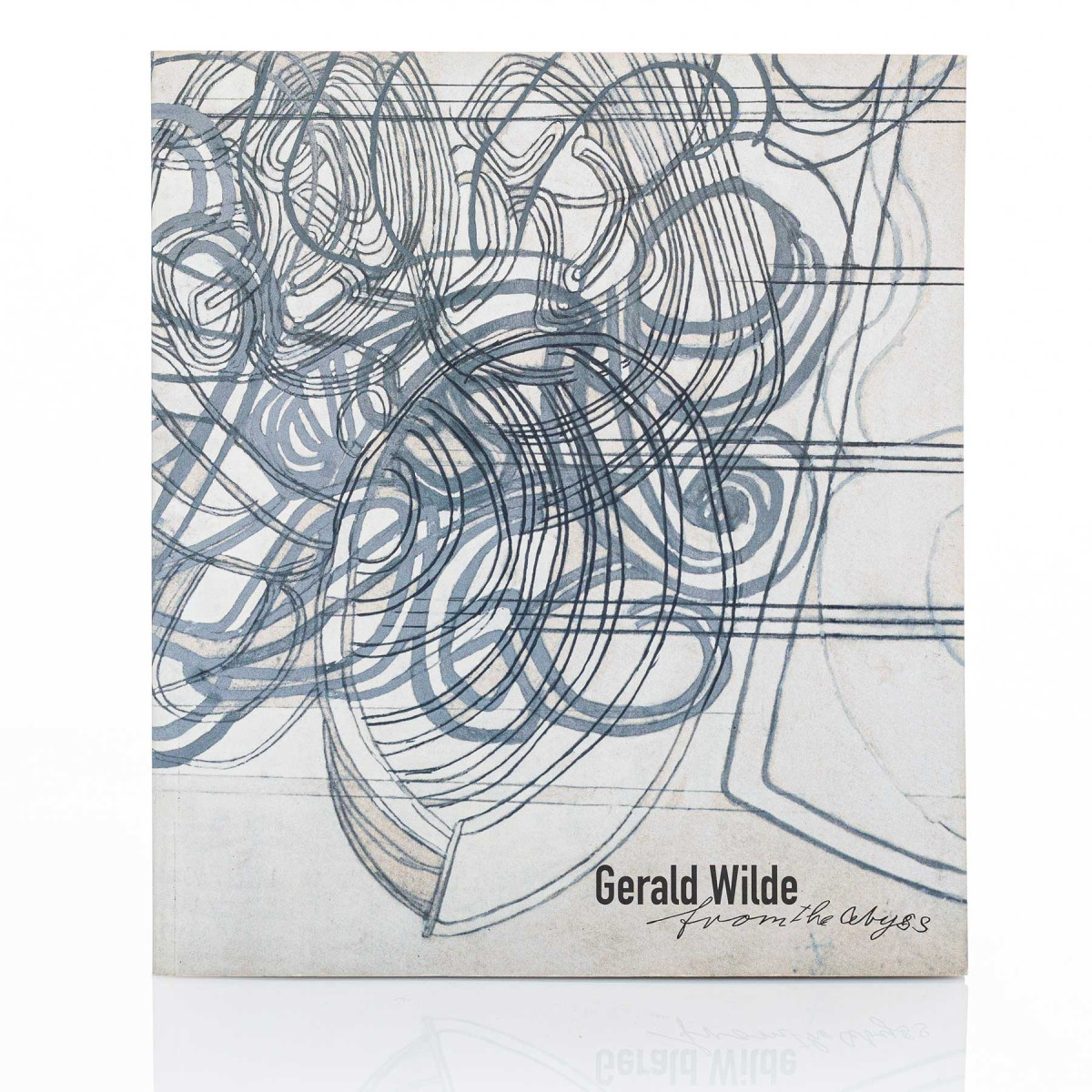
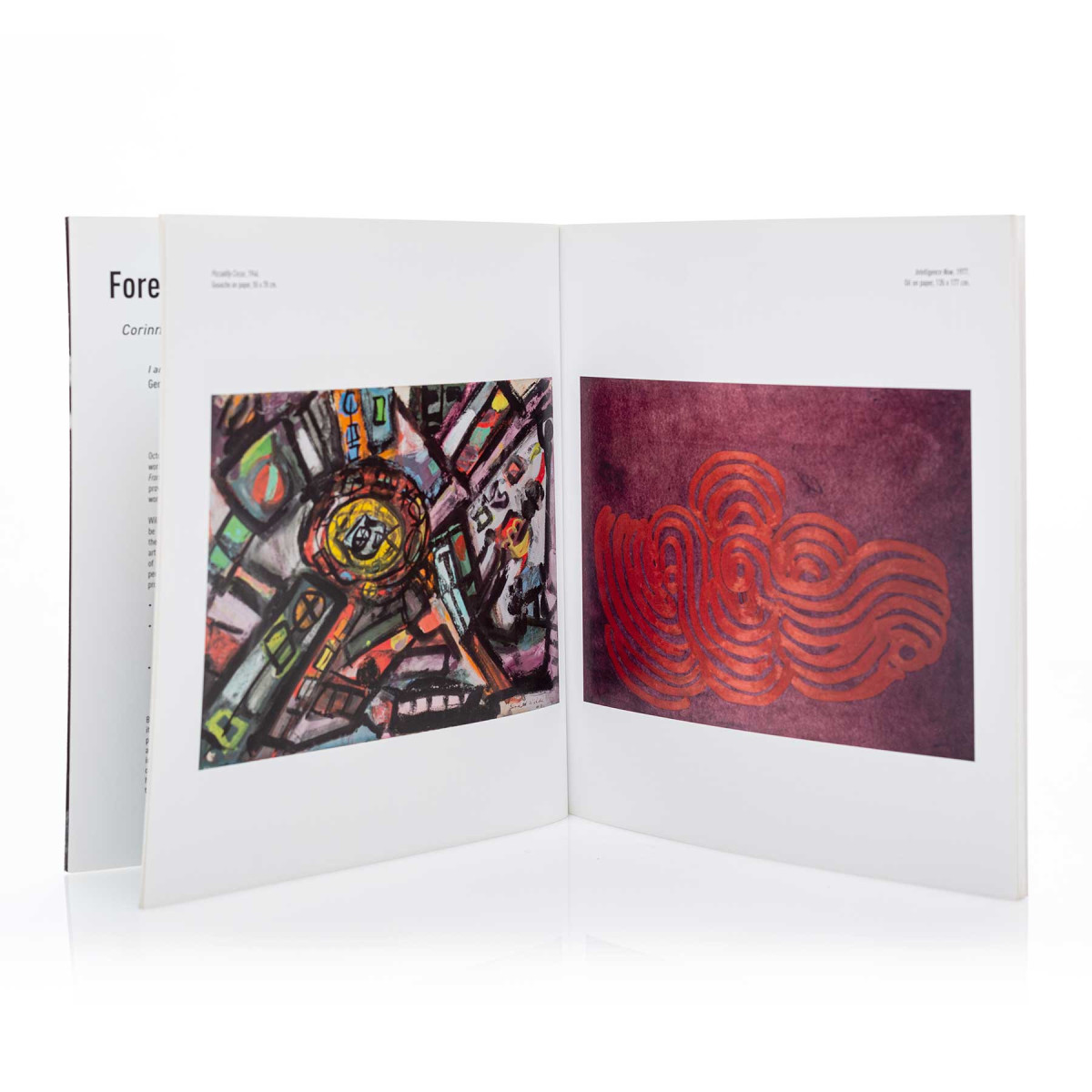
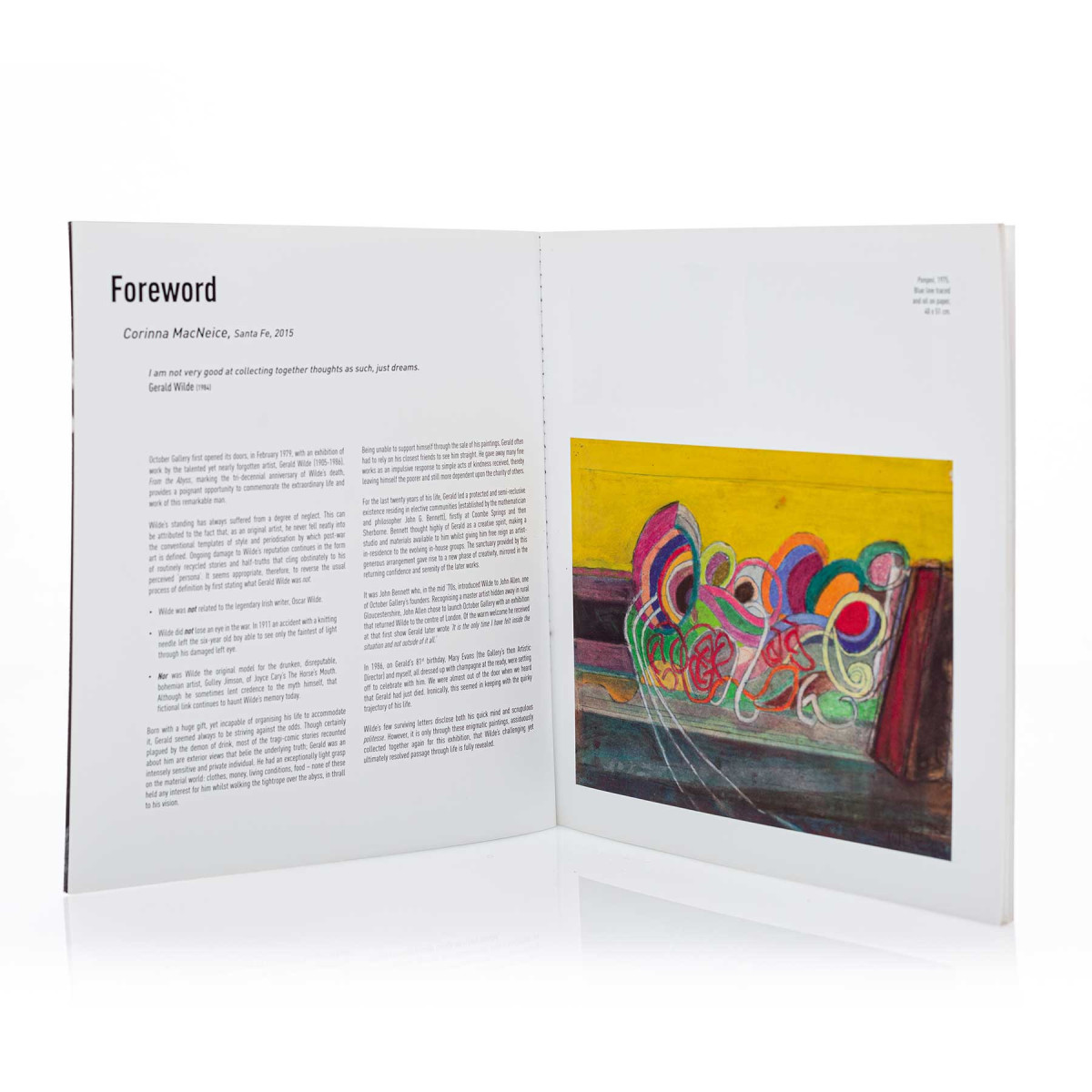
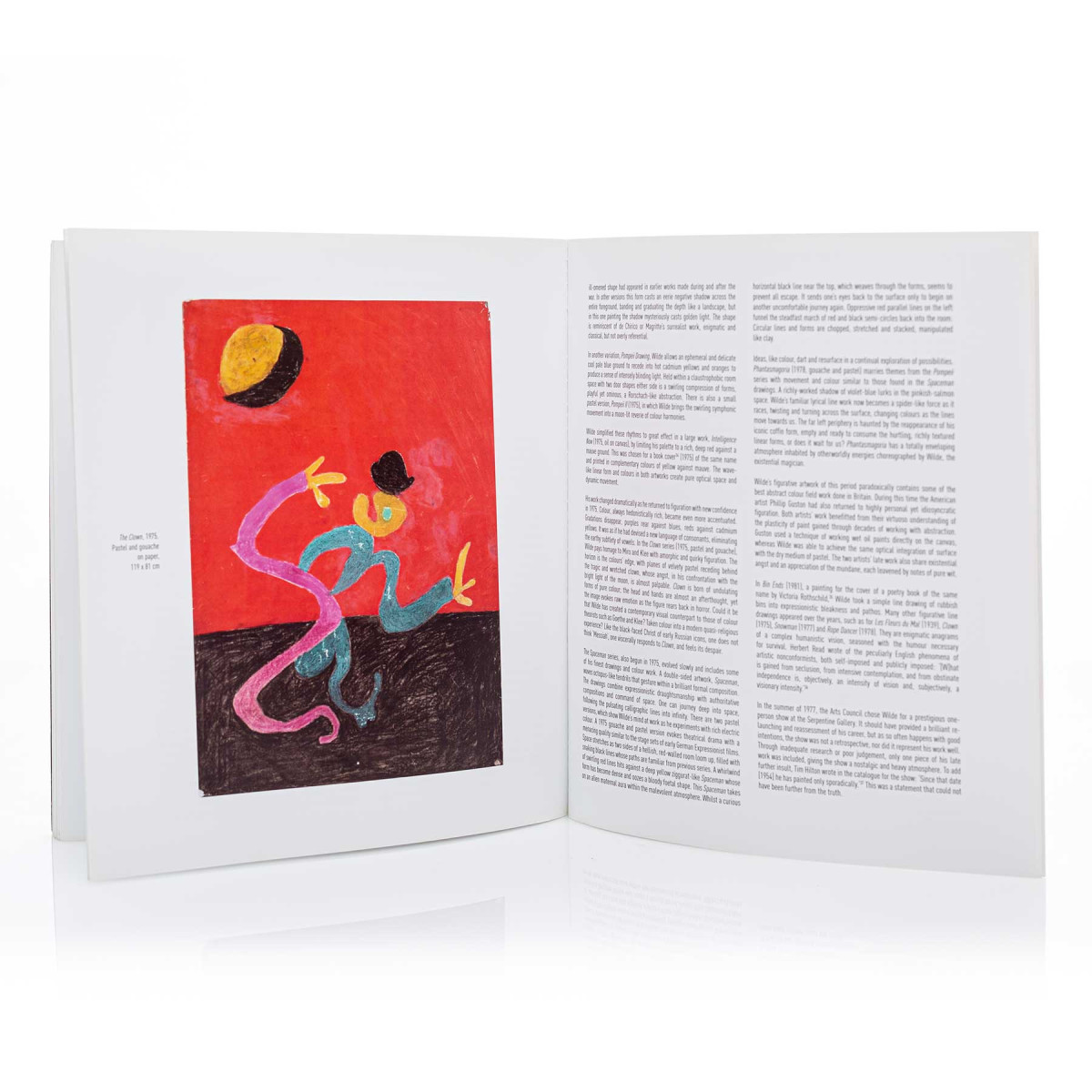
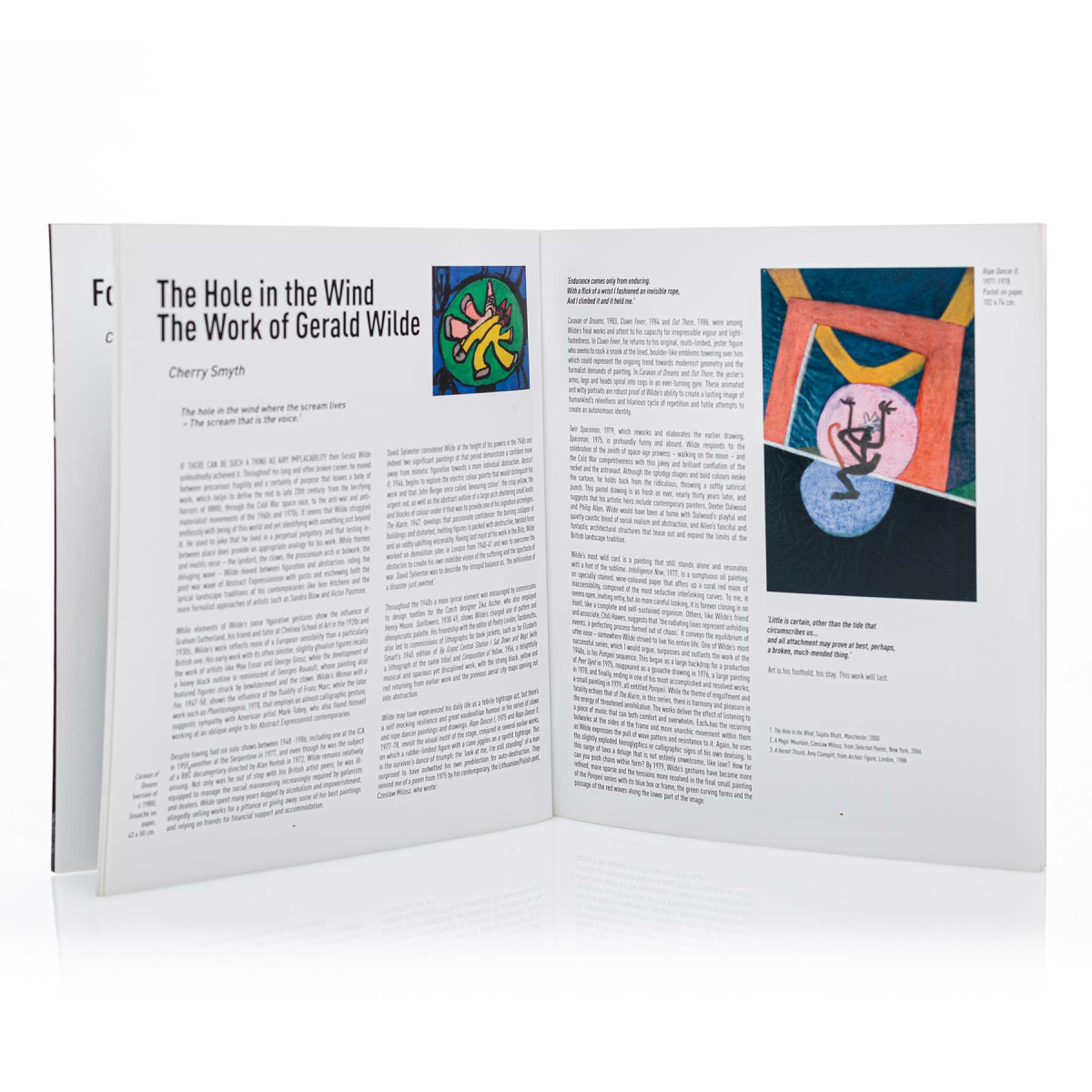
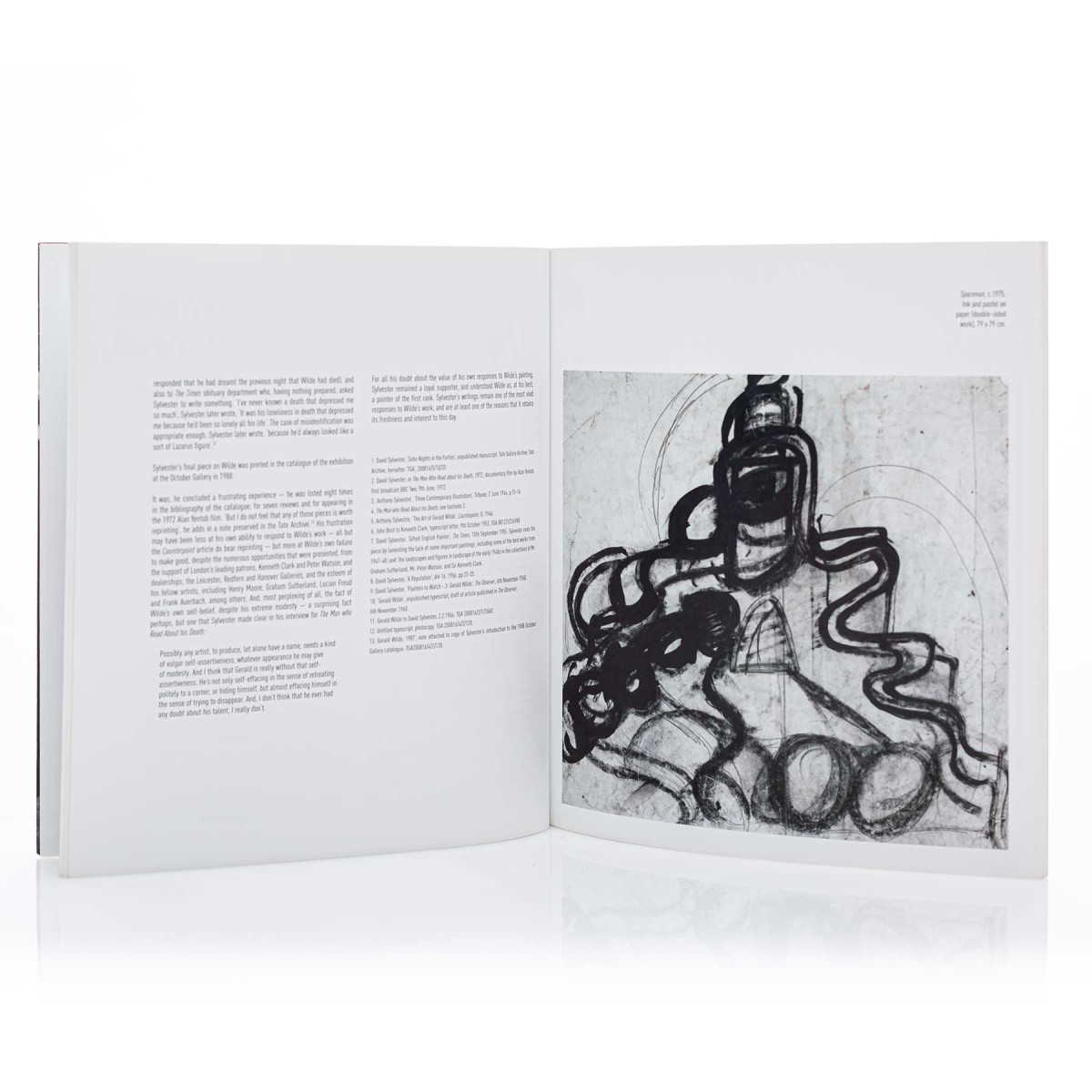
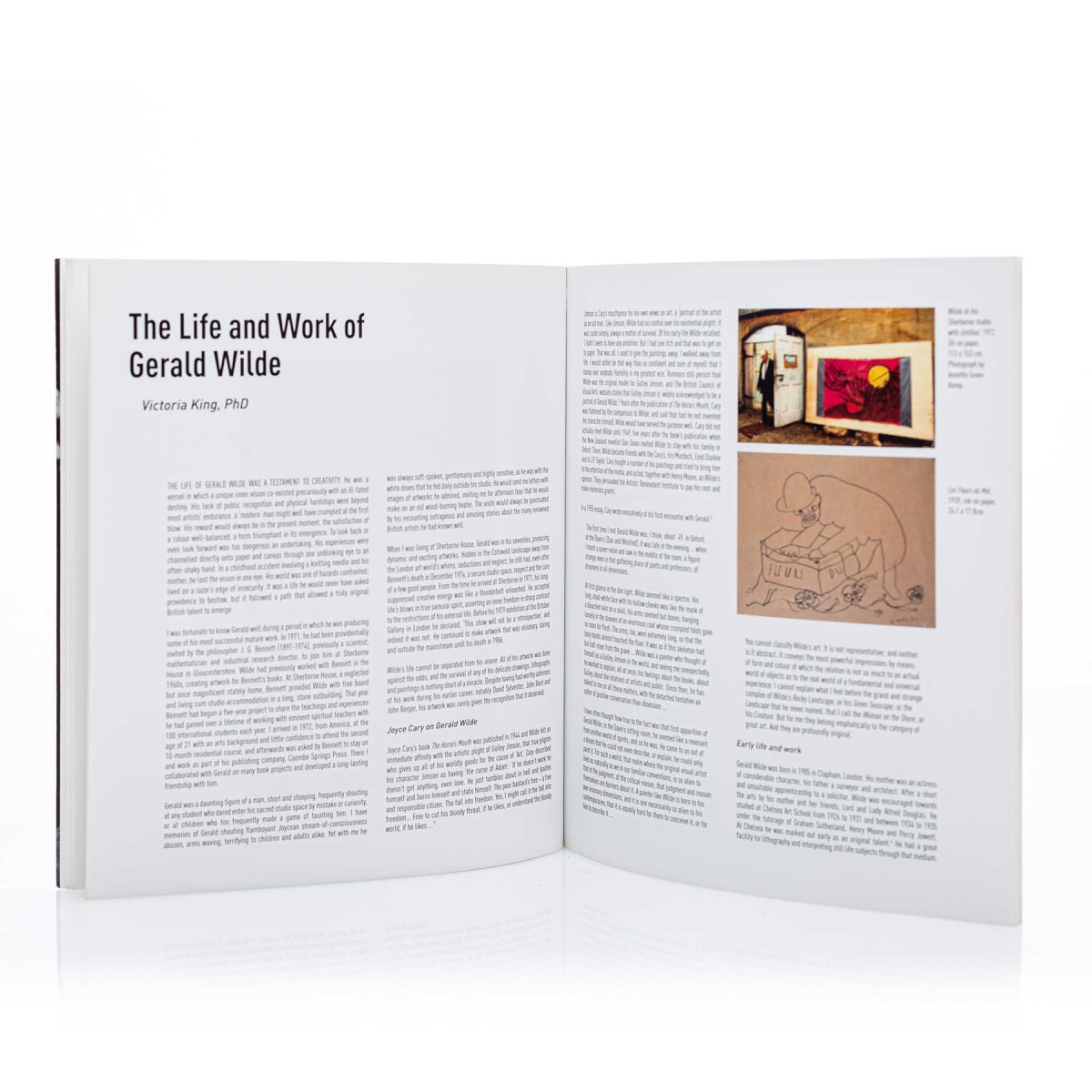
British artist Gerald Wilde explores an intense use of line and colour. His compositions often appear chaotic at first glance, with jagged marks and vivid hues colliding across the surface, yet within this energy lies a remarkable sense of rhythm and structure. Line for Wilde was both expressive and architectural, carving out space while also embodying raw emotion. Together, Wilde’s restless line and vibrant palette, confronts us on an abstract level as well as on the level of symbols and dreams.
Each artist charts a unique course through the conceptual and literal activation of line. The works in Lineages invite viewers to consider how artists use line through gesture and materiality, and furthermore, as a form of ways that unpacks culture, nature, identity and imagination.
The works of Junko Mori and Bev Butkow are exhibited in collaboration with Adrian Sassoon, London and Guns & Rain Gallery, Johannesburg, respectively.