KENJI YOSHIDA: The Meaning of Life
5 March – 11 April 2026

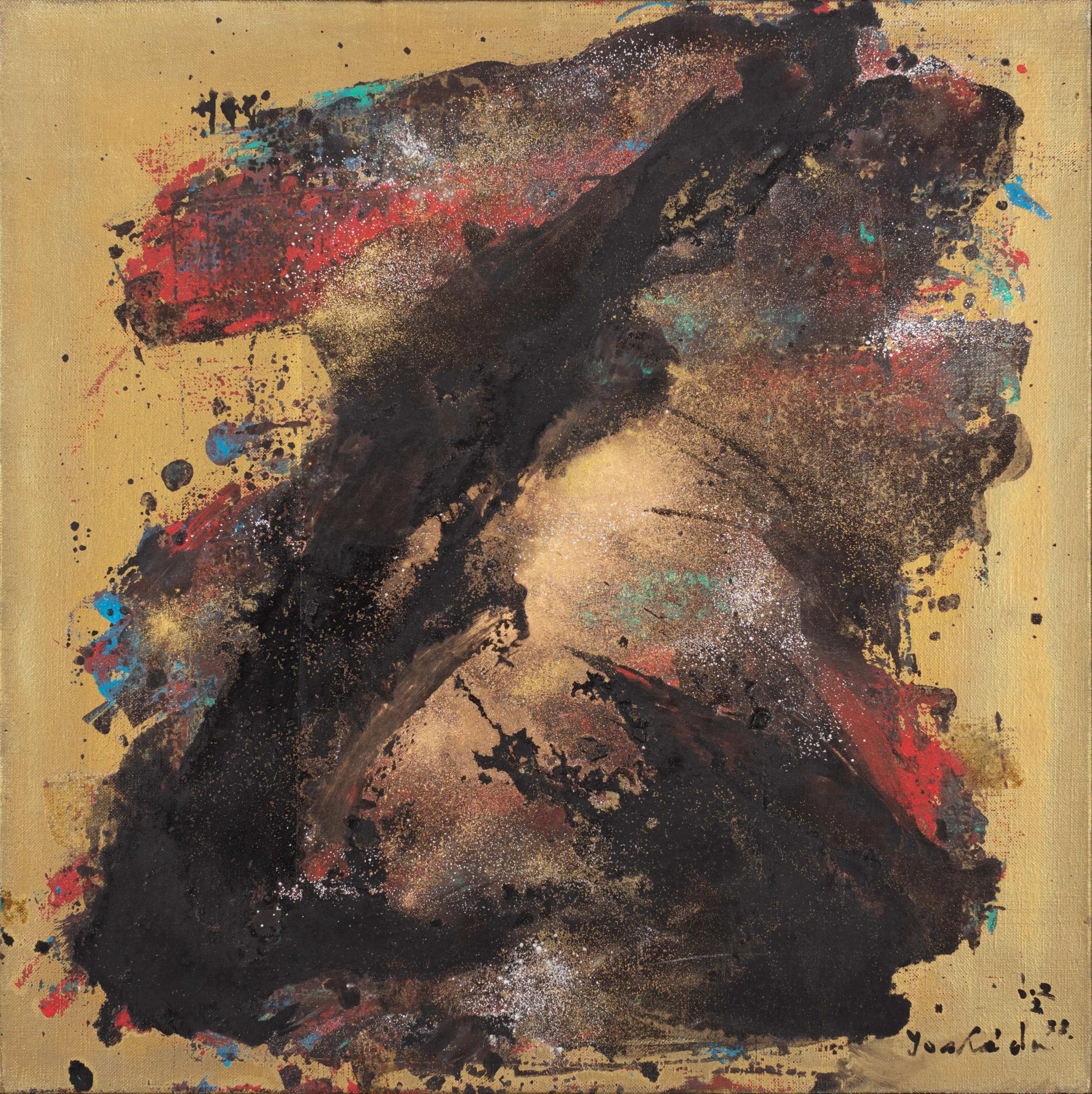
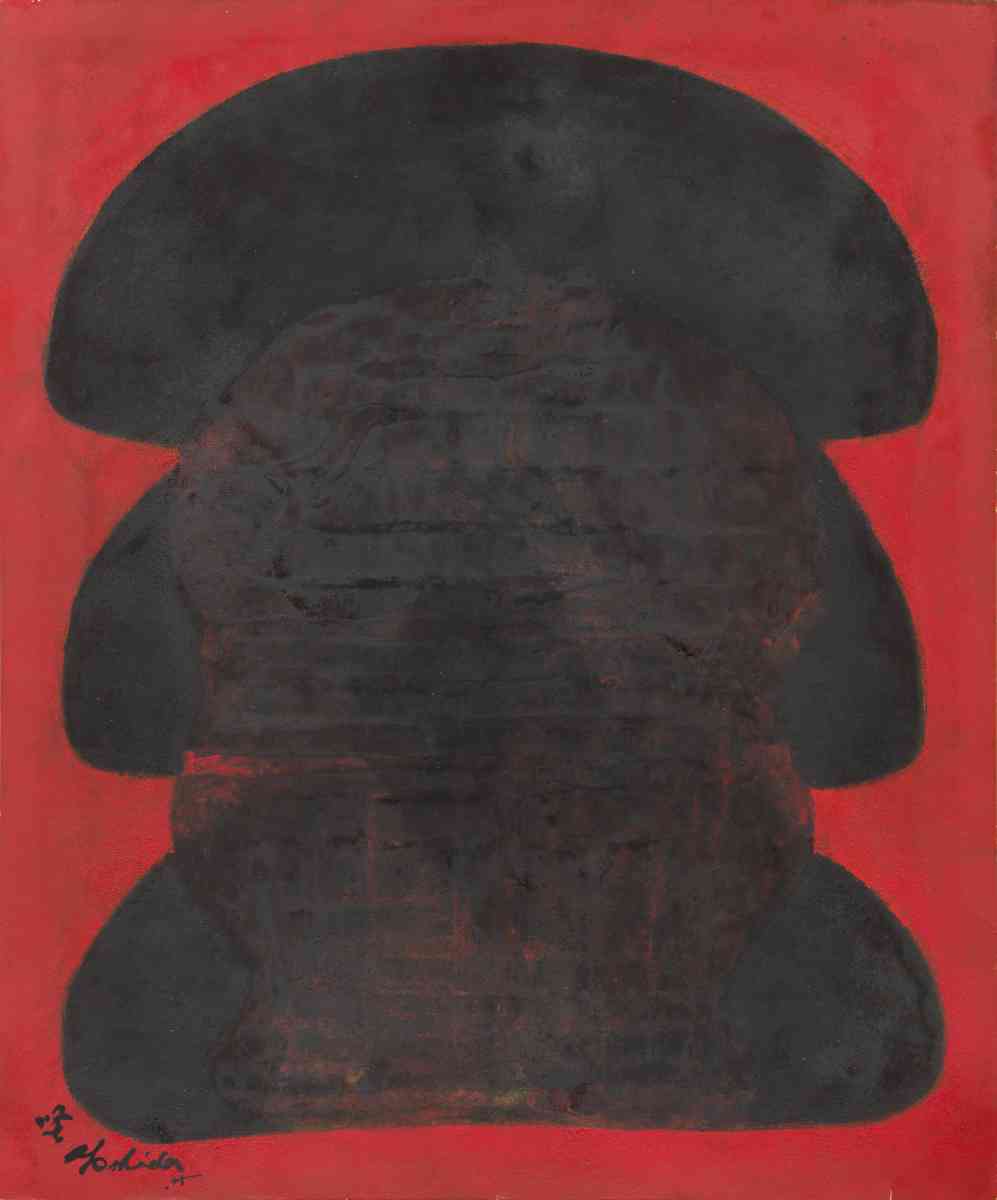
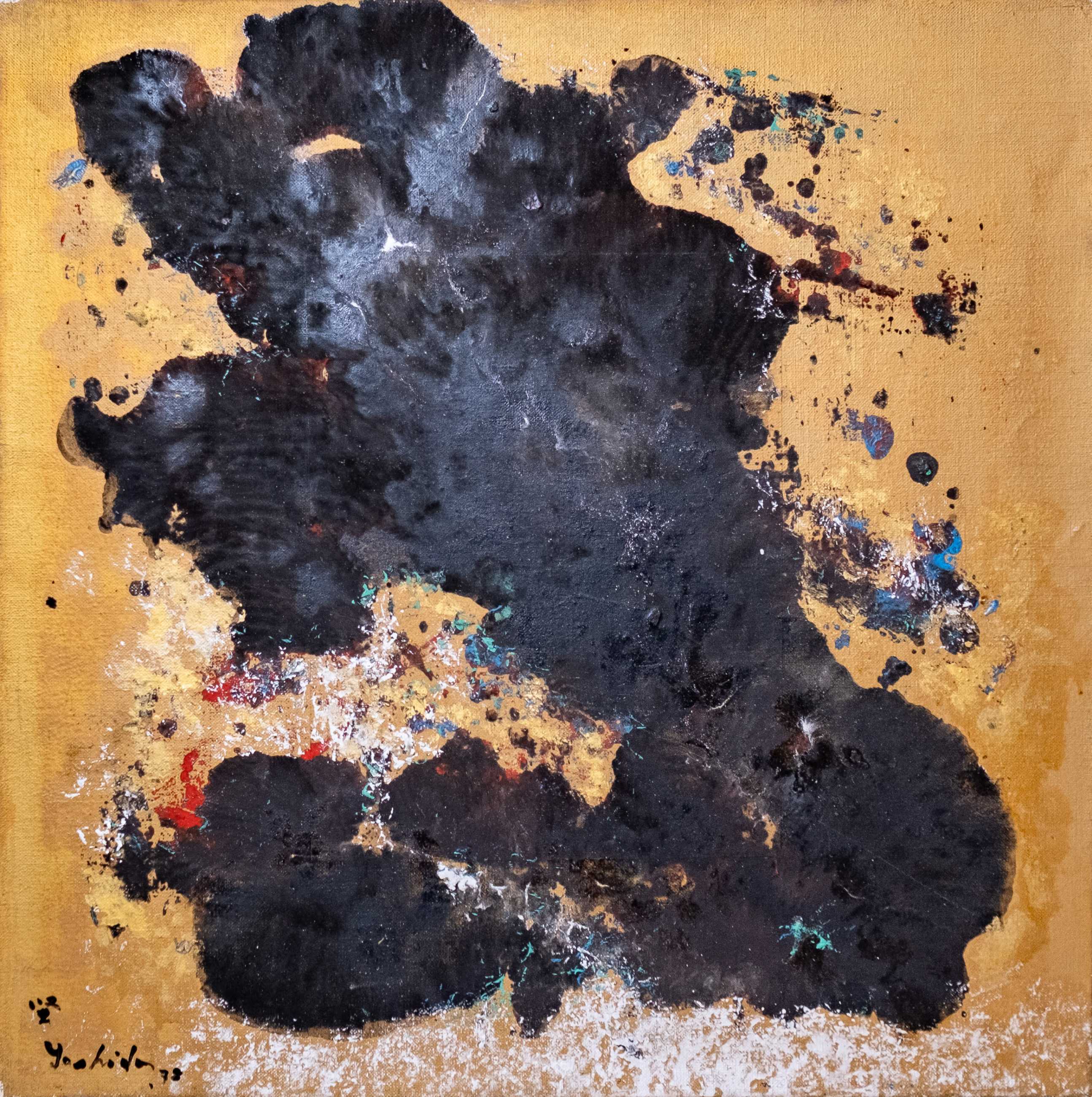
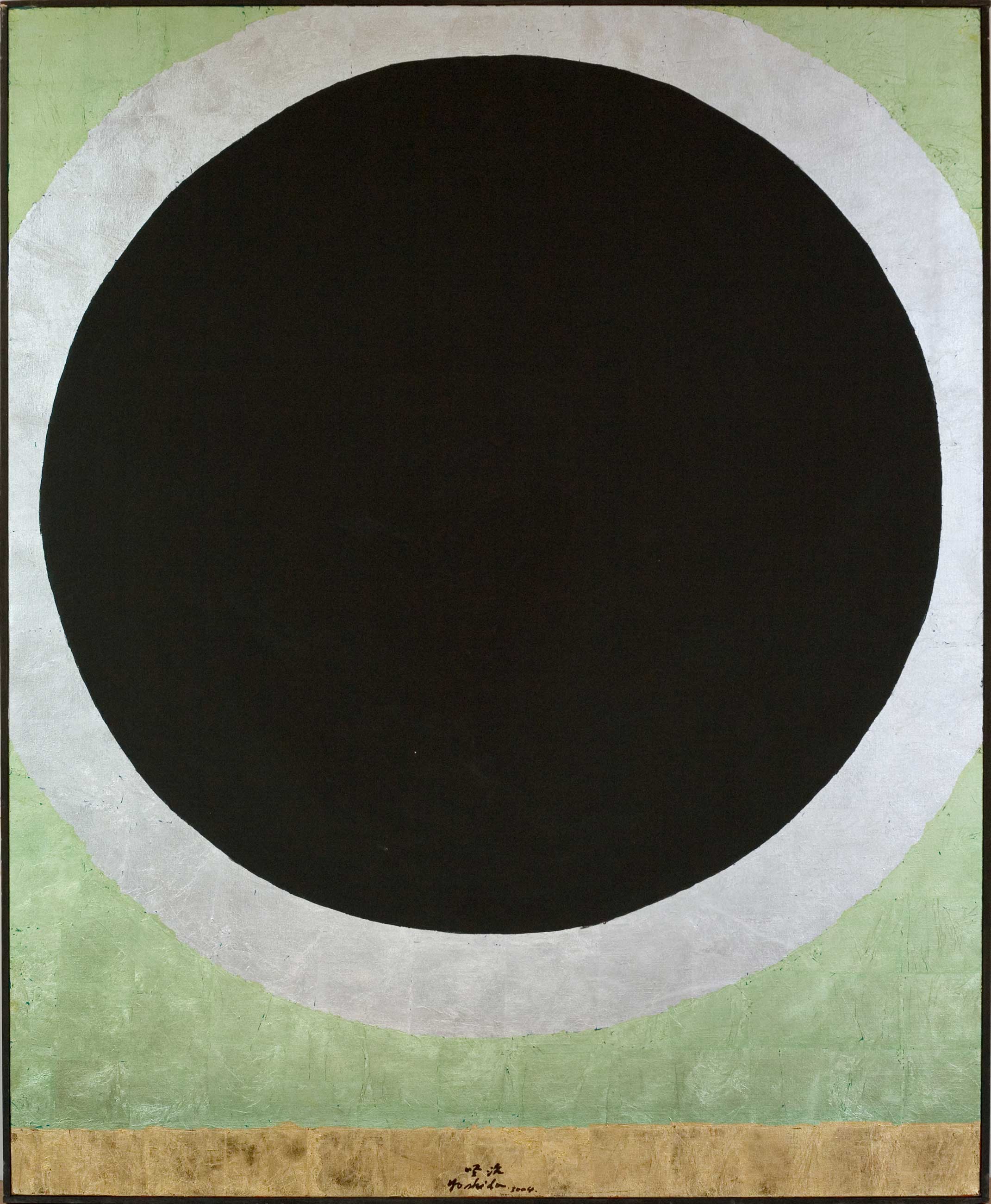
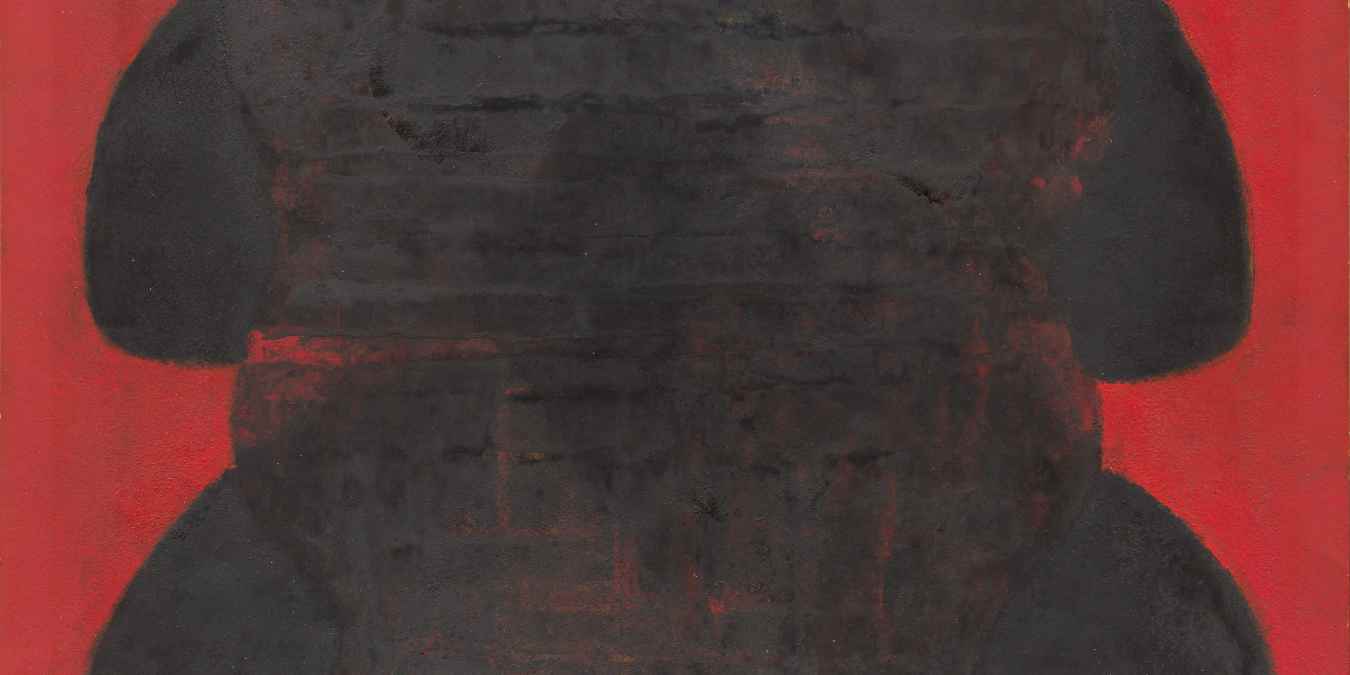
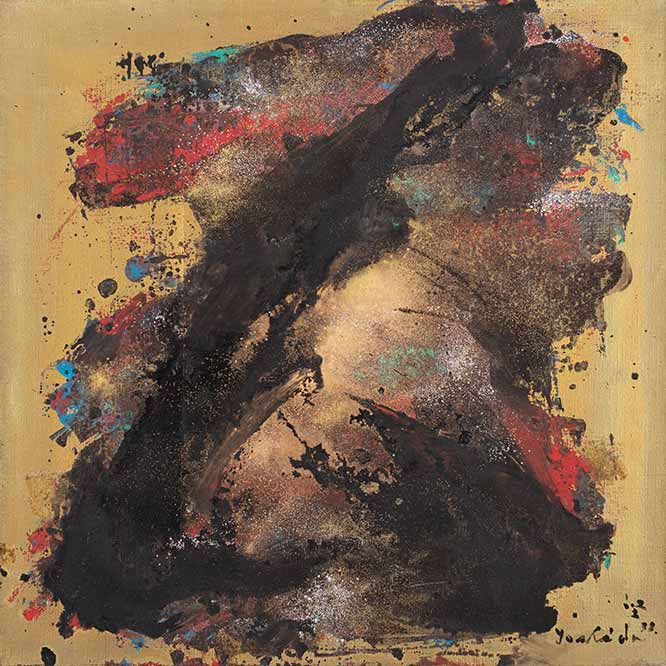
Oil on canvas, 50 x 51 cm.

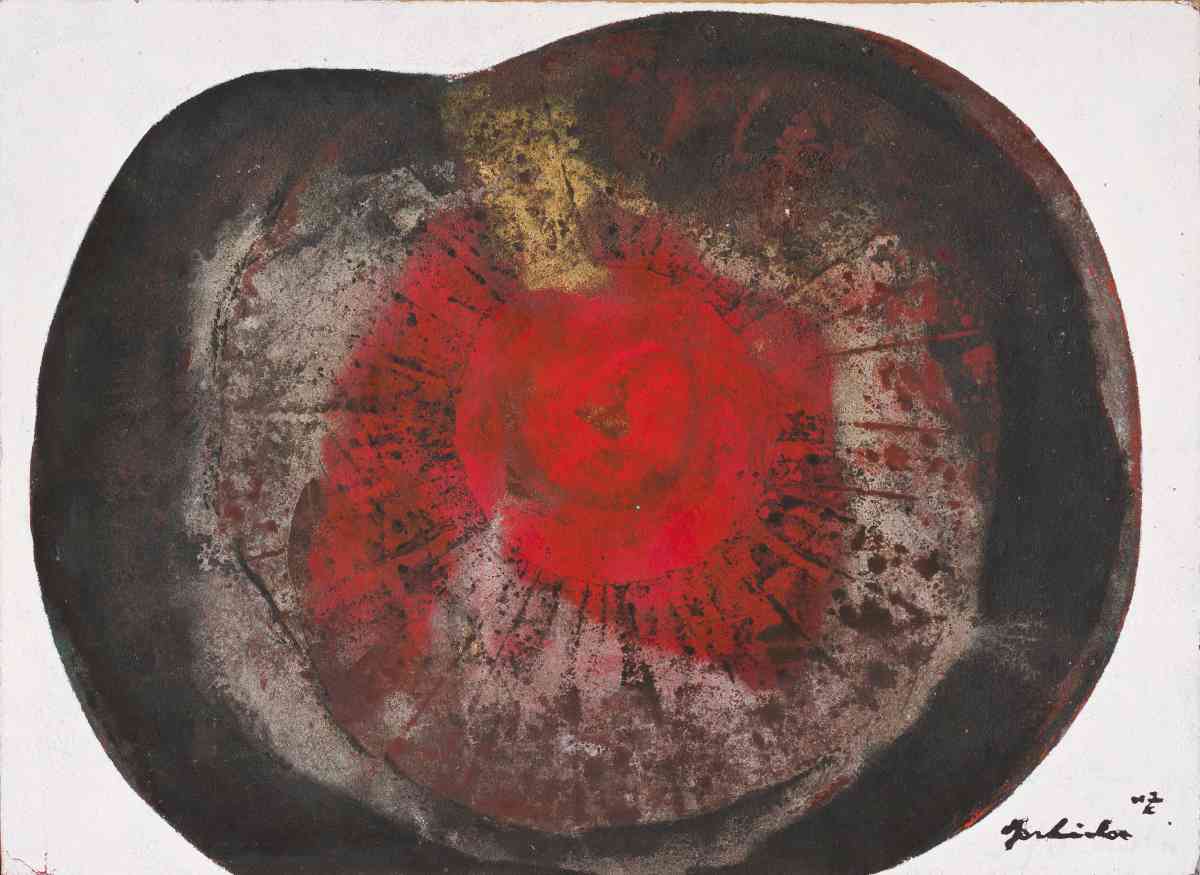
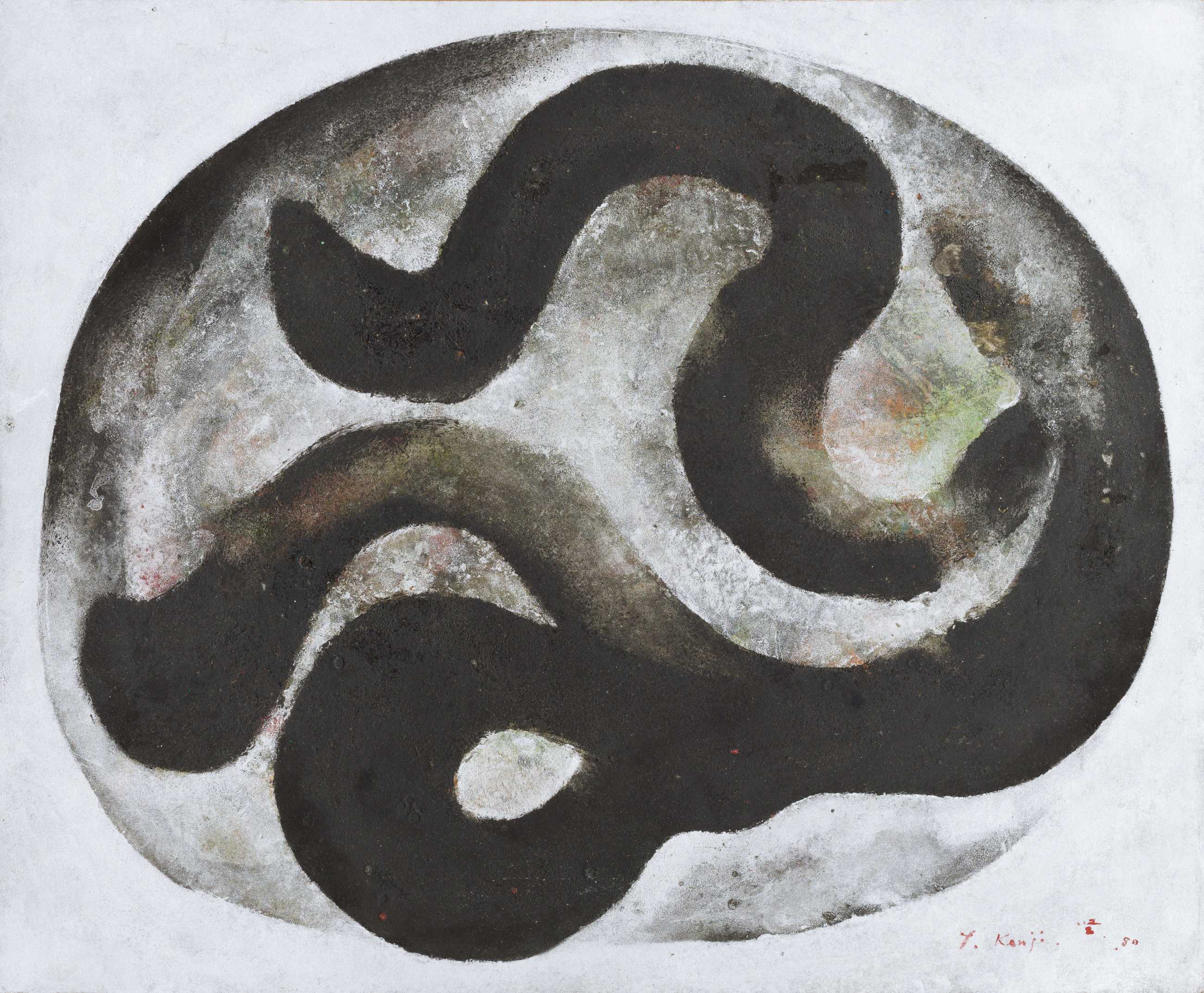
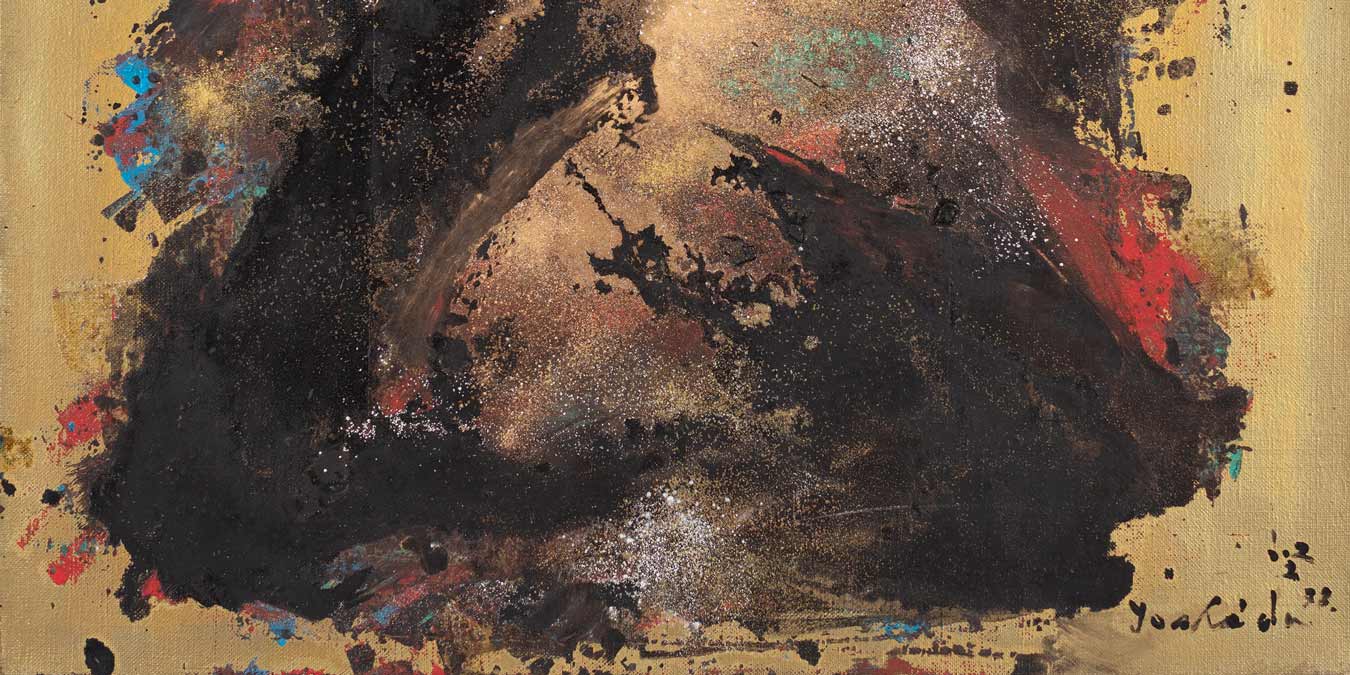
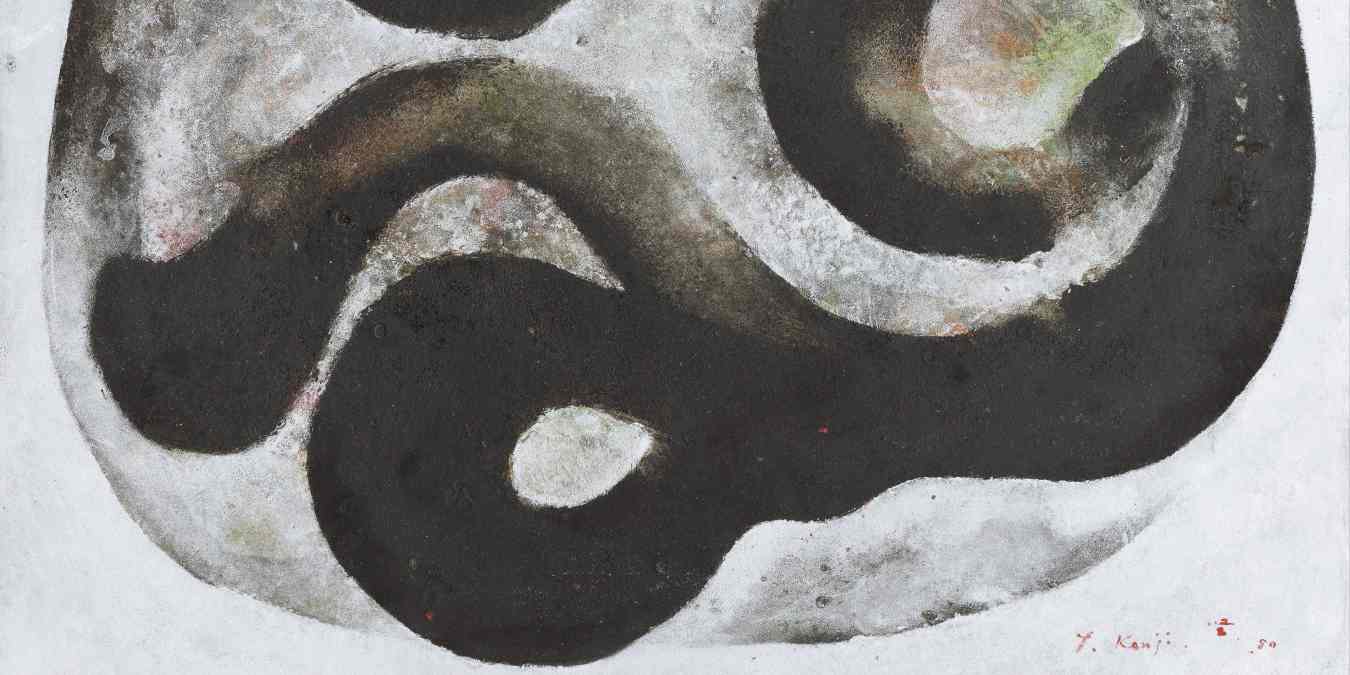
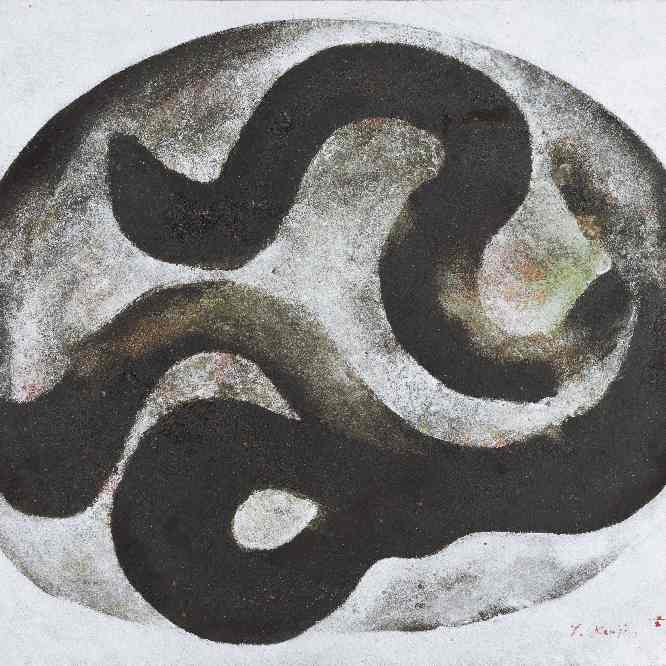
Oil on paper, 37.5 x 46 cm.
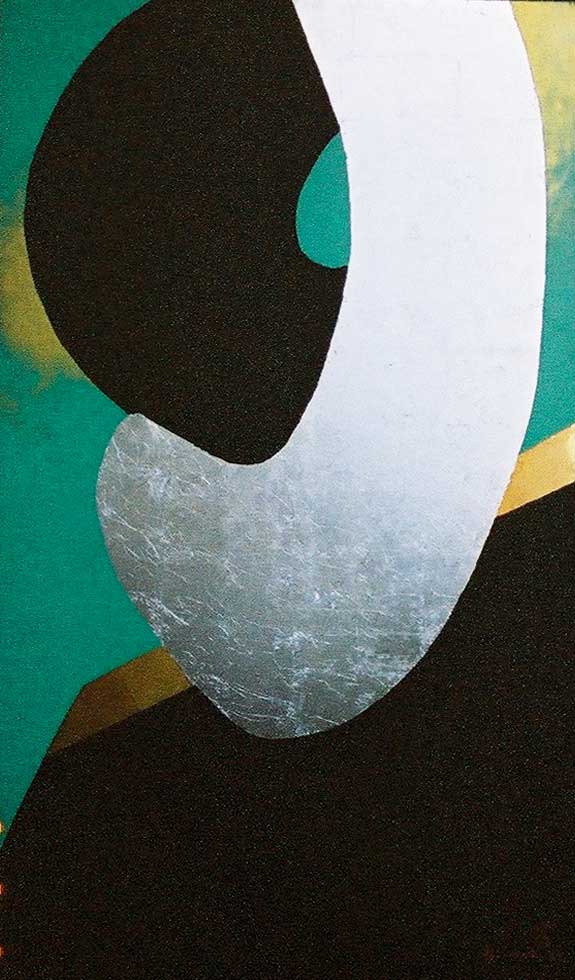
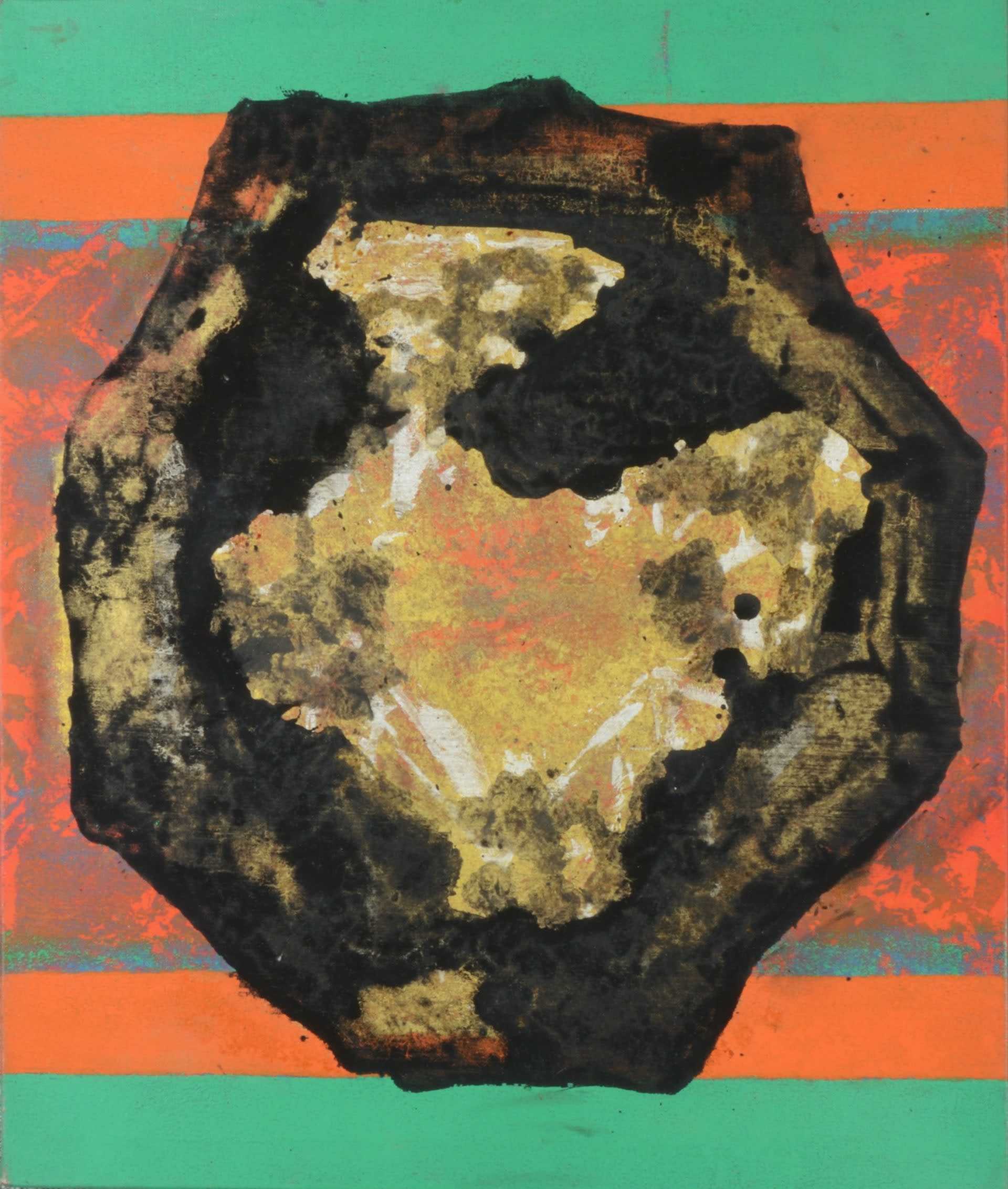
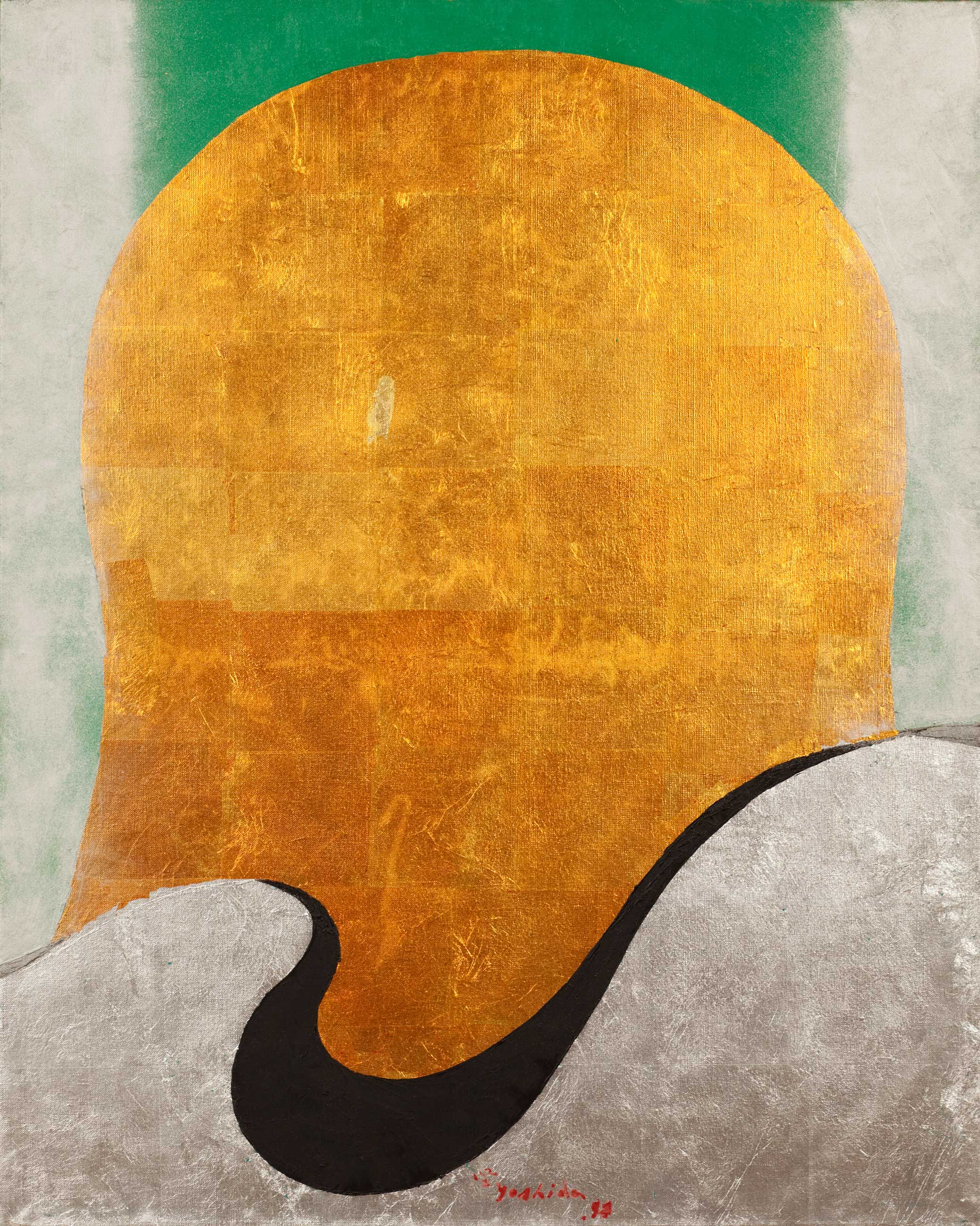
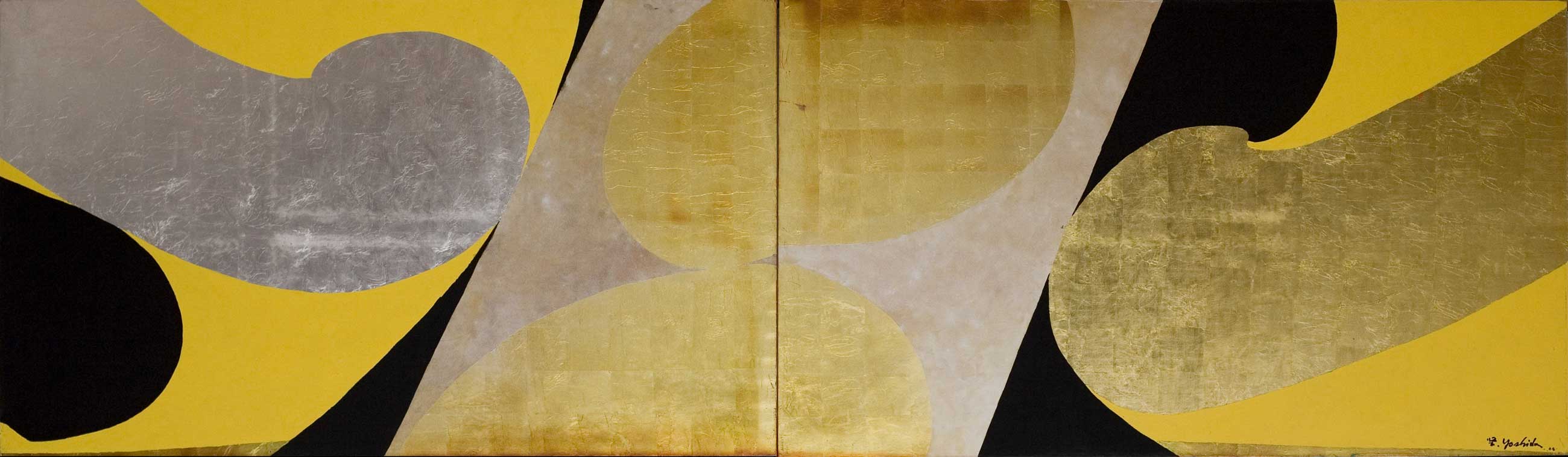
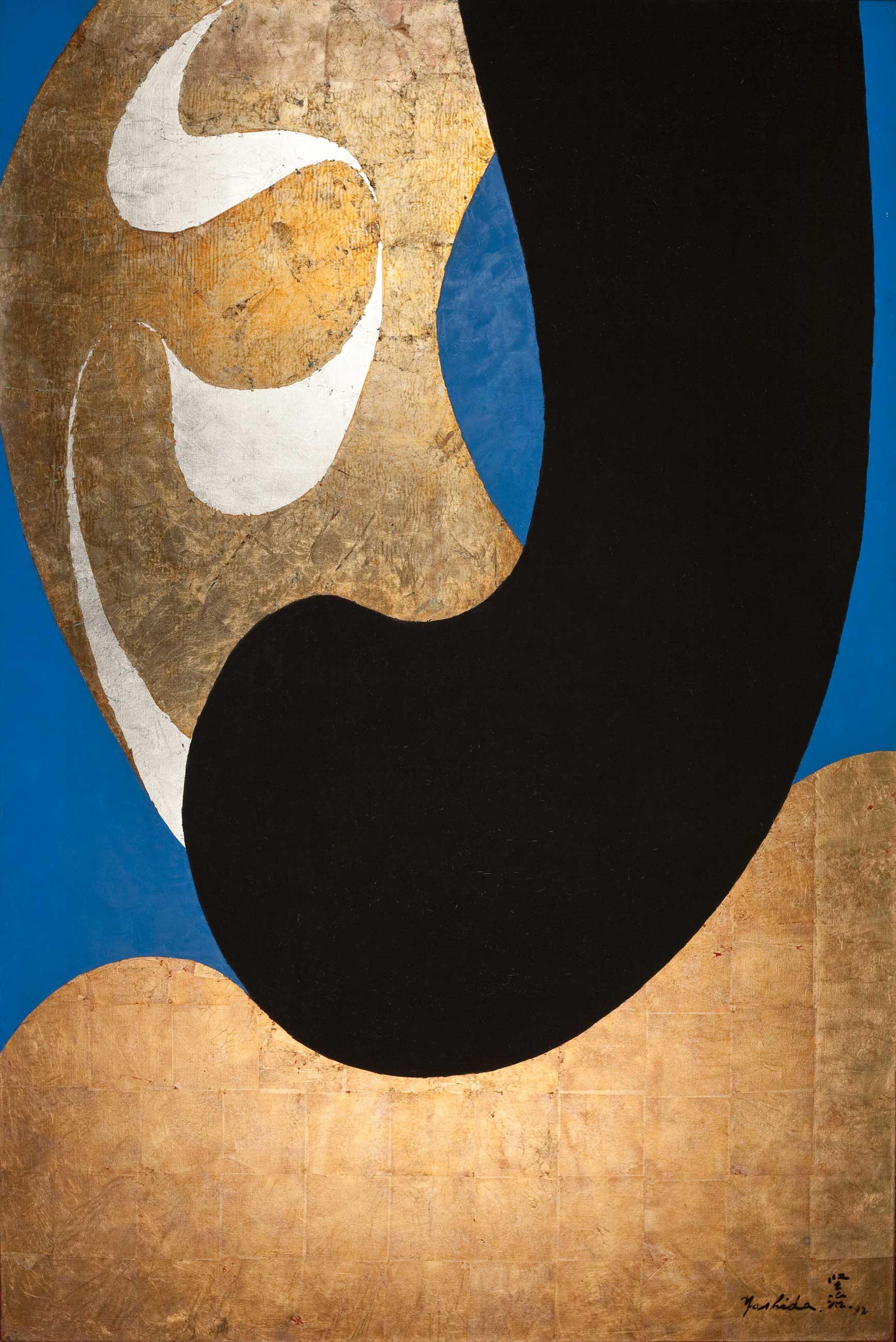
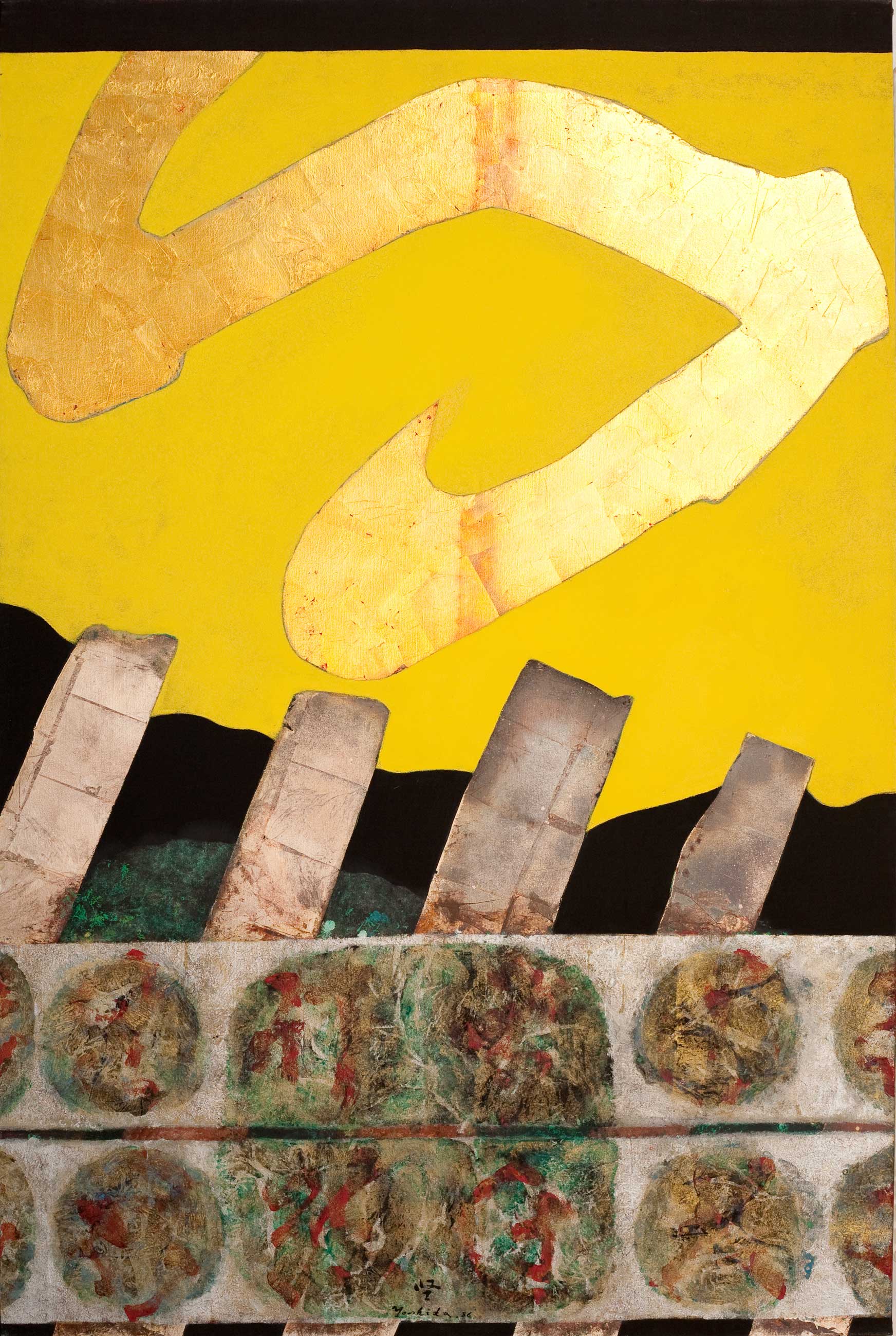
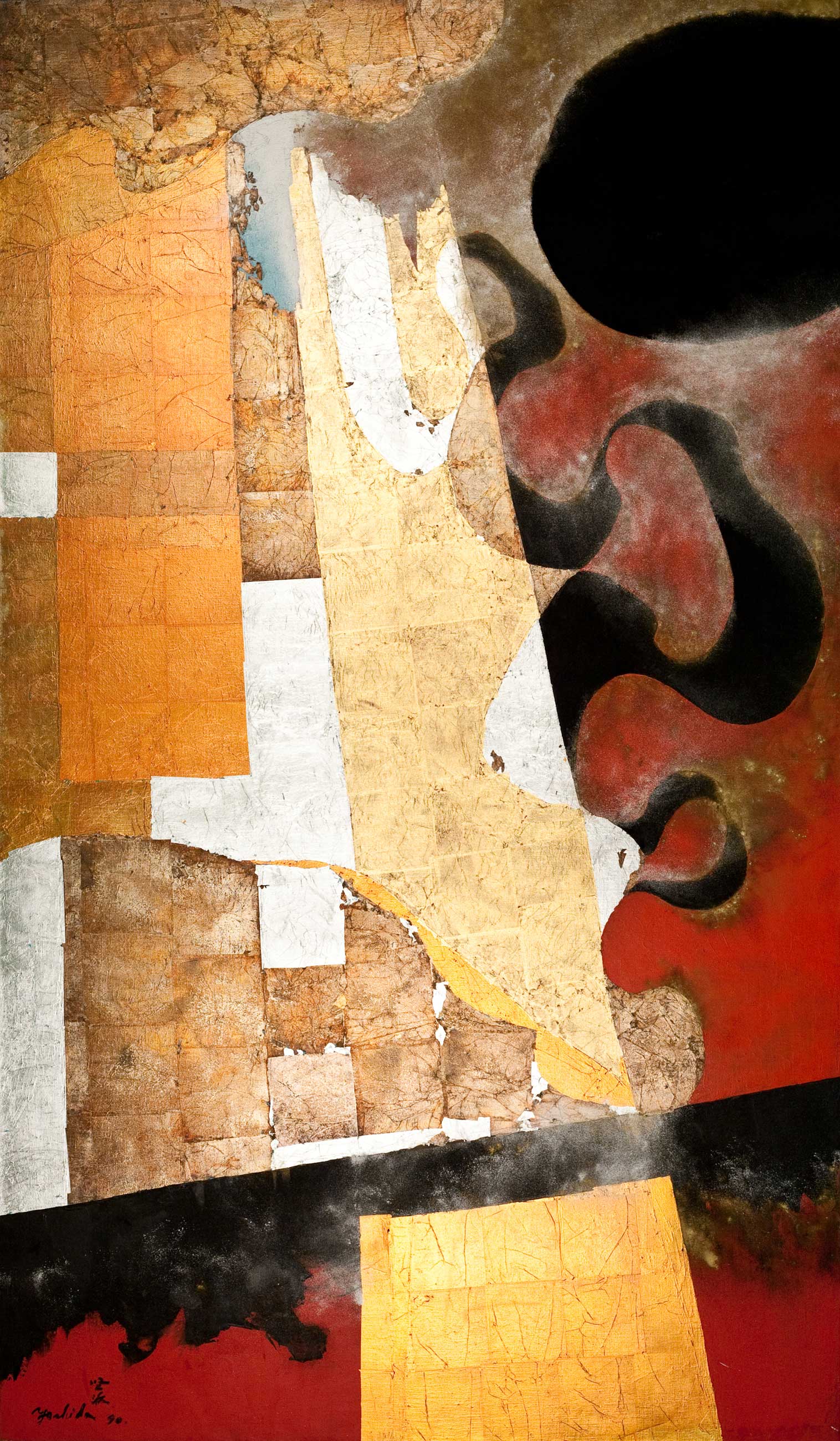
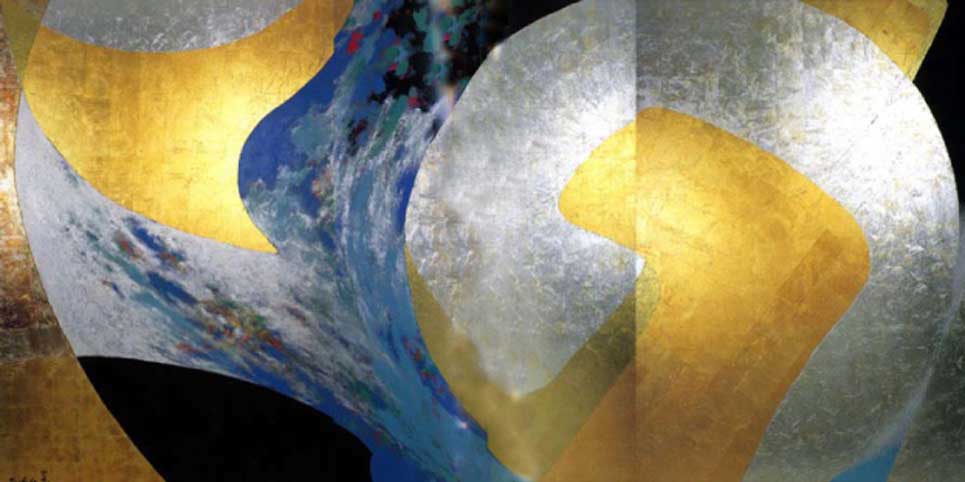
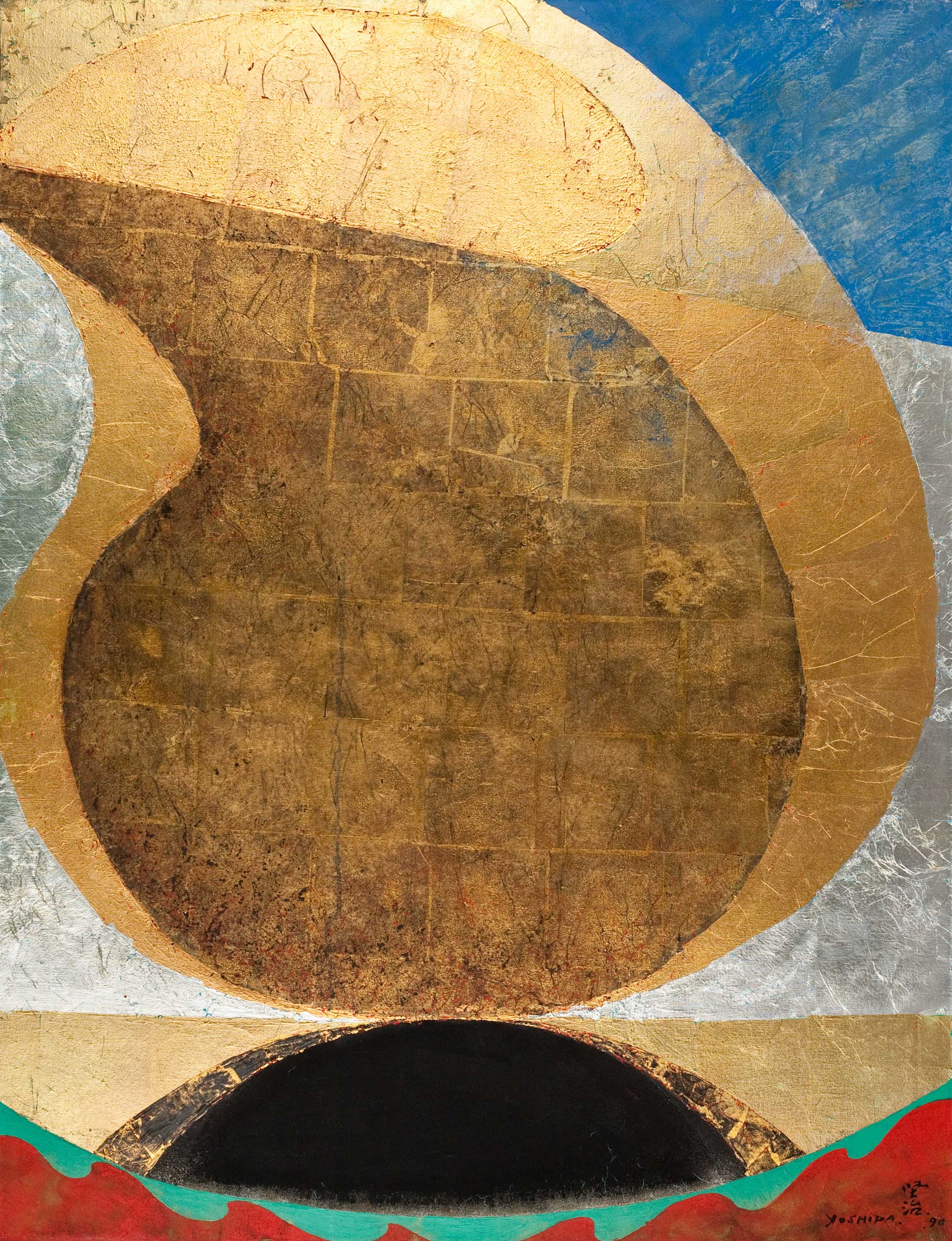
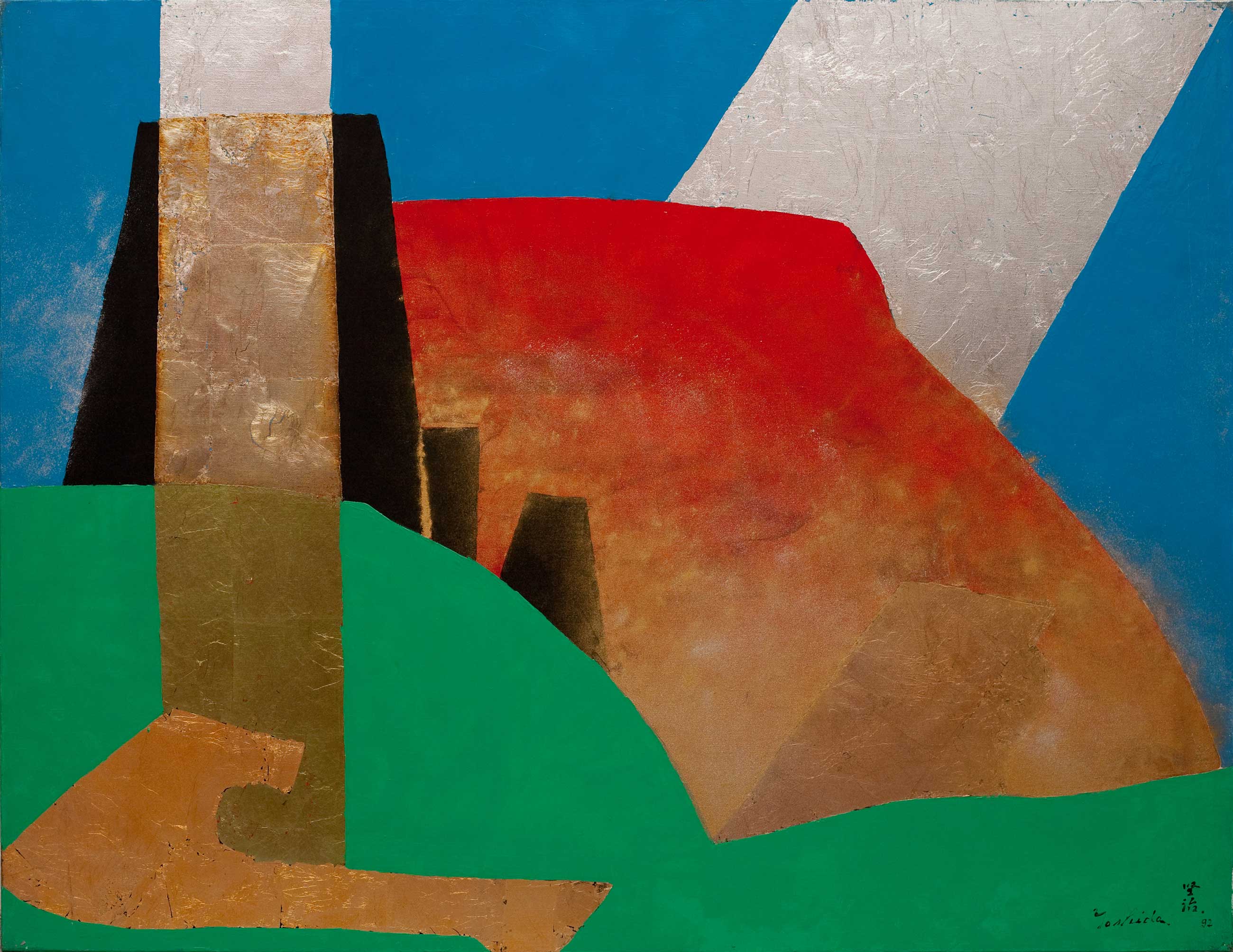
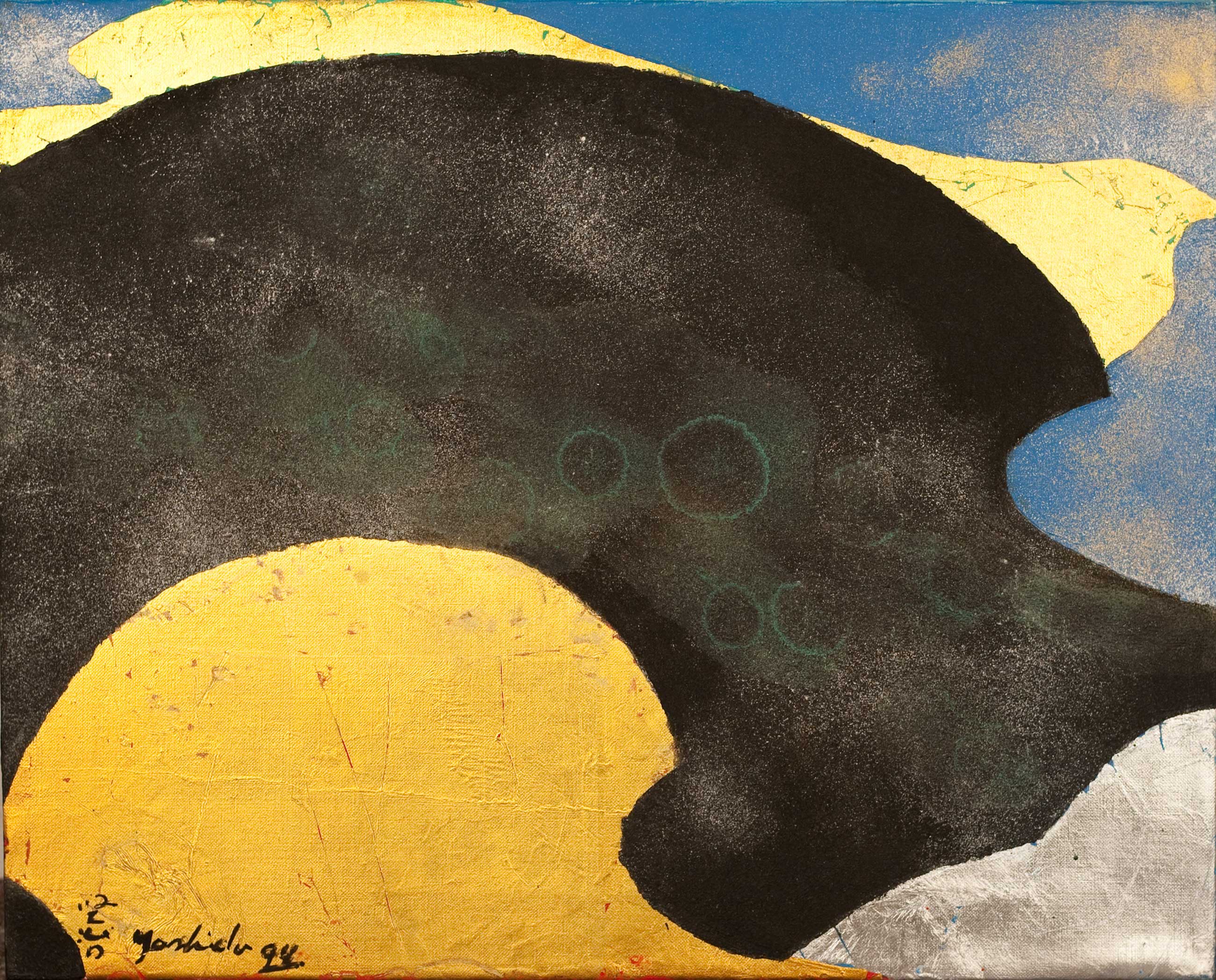
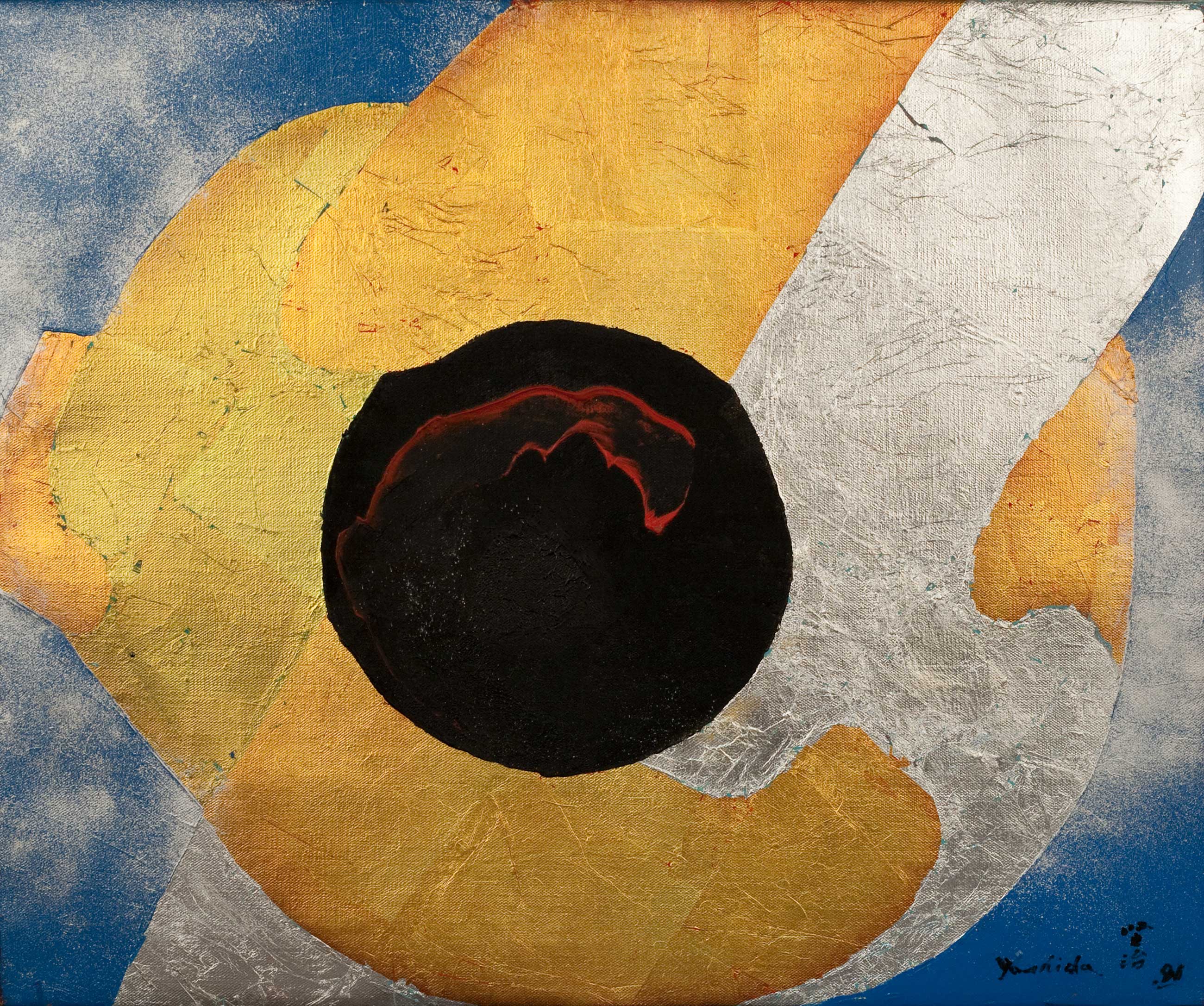
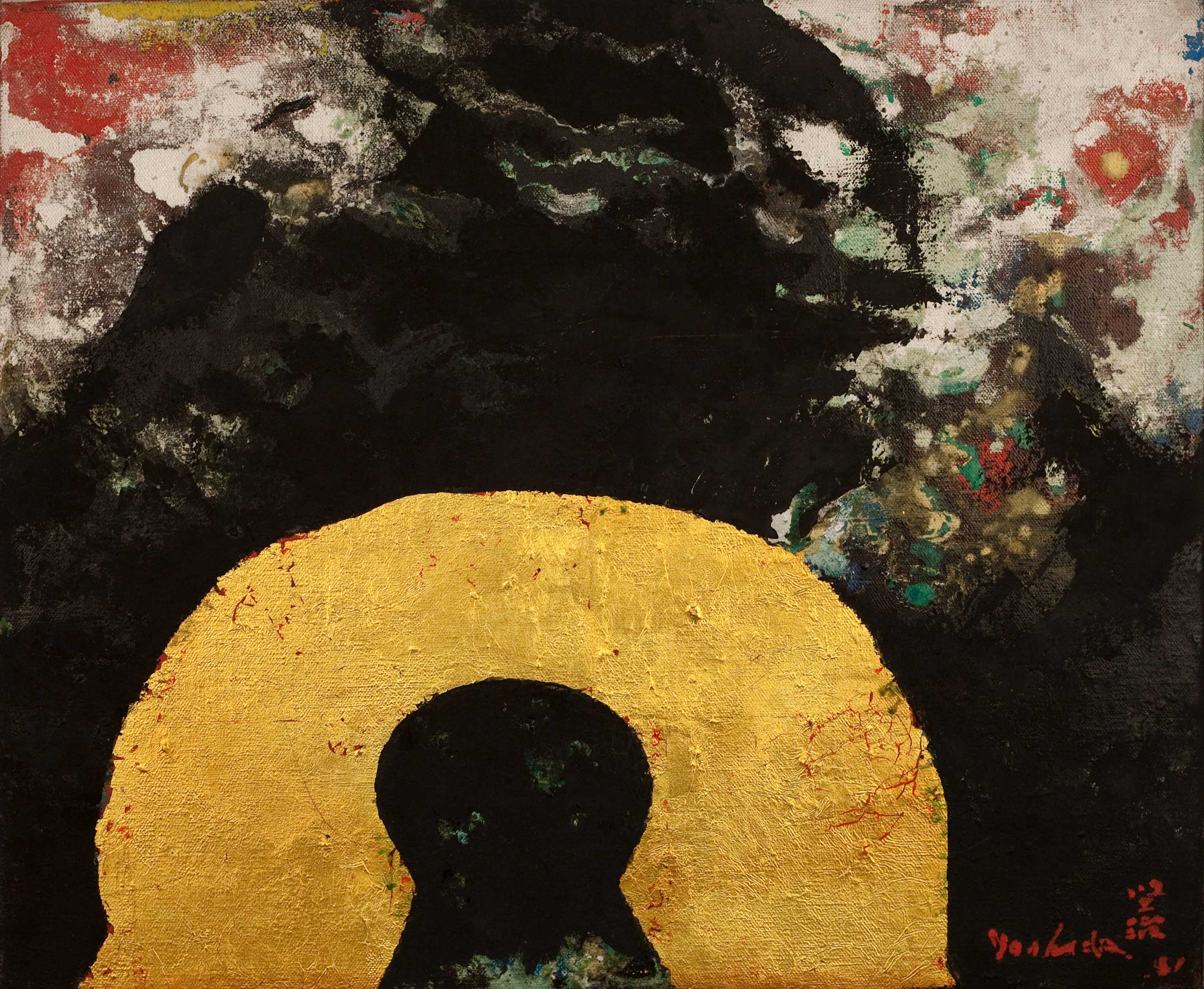
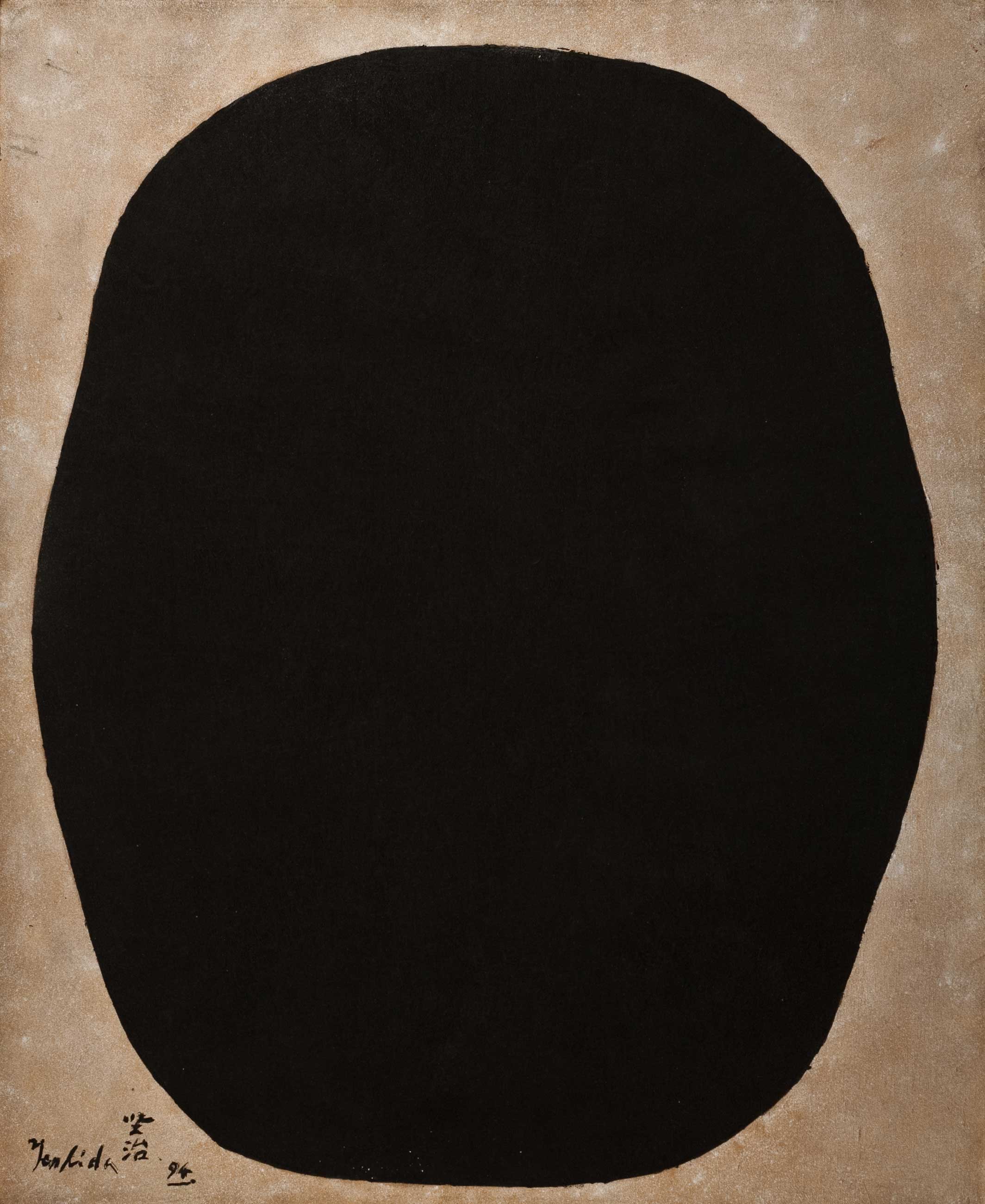
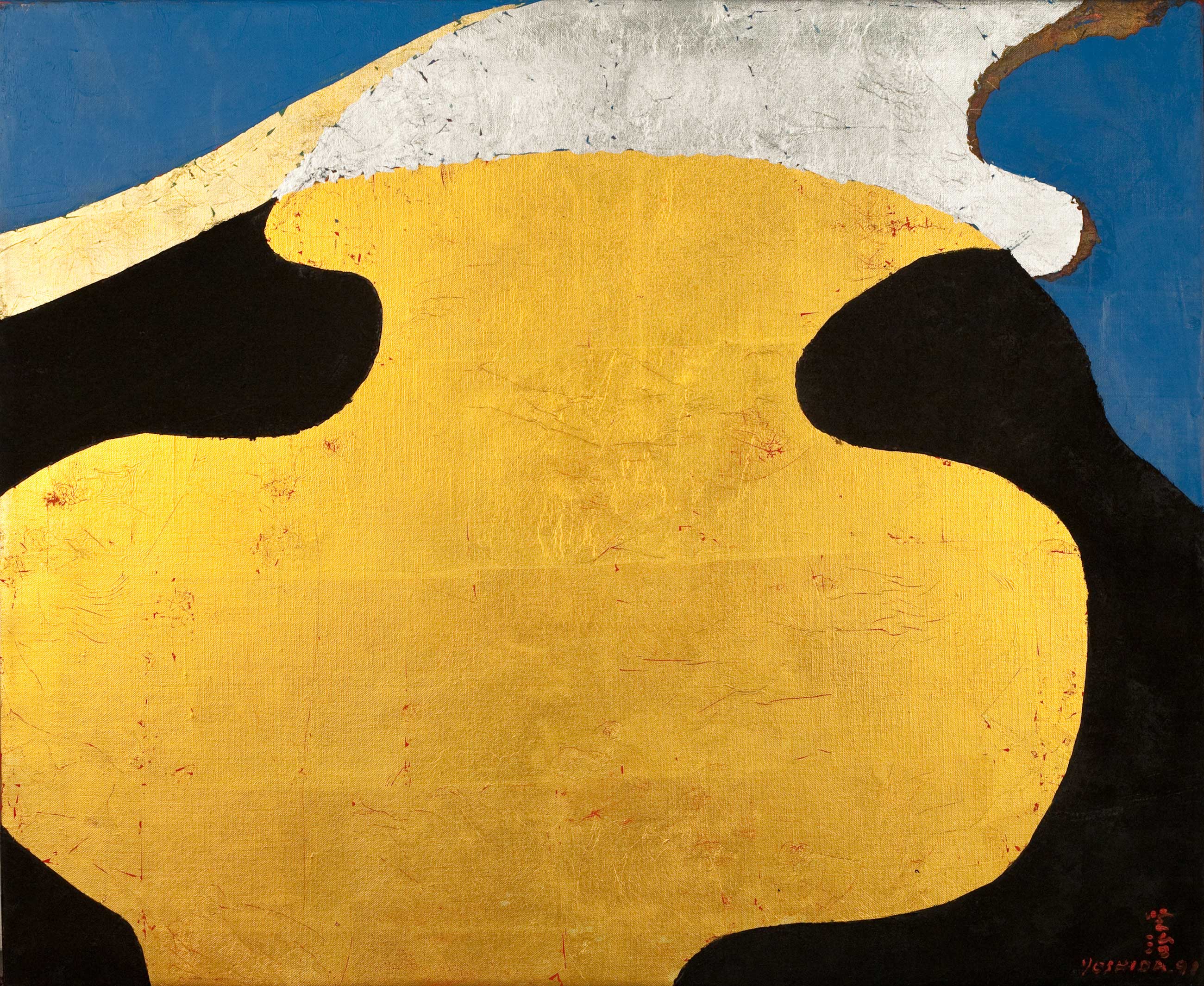
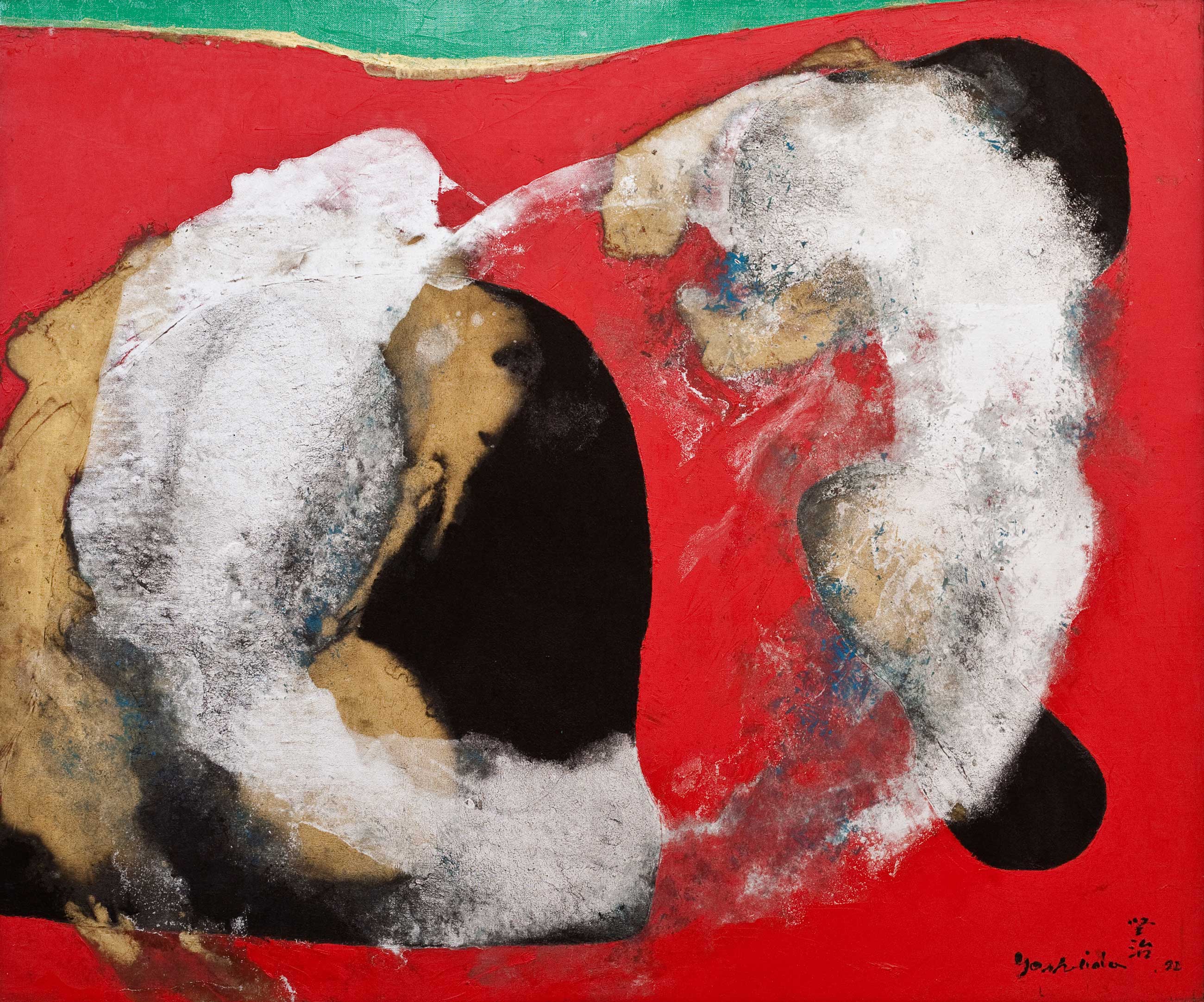
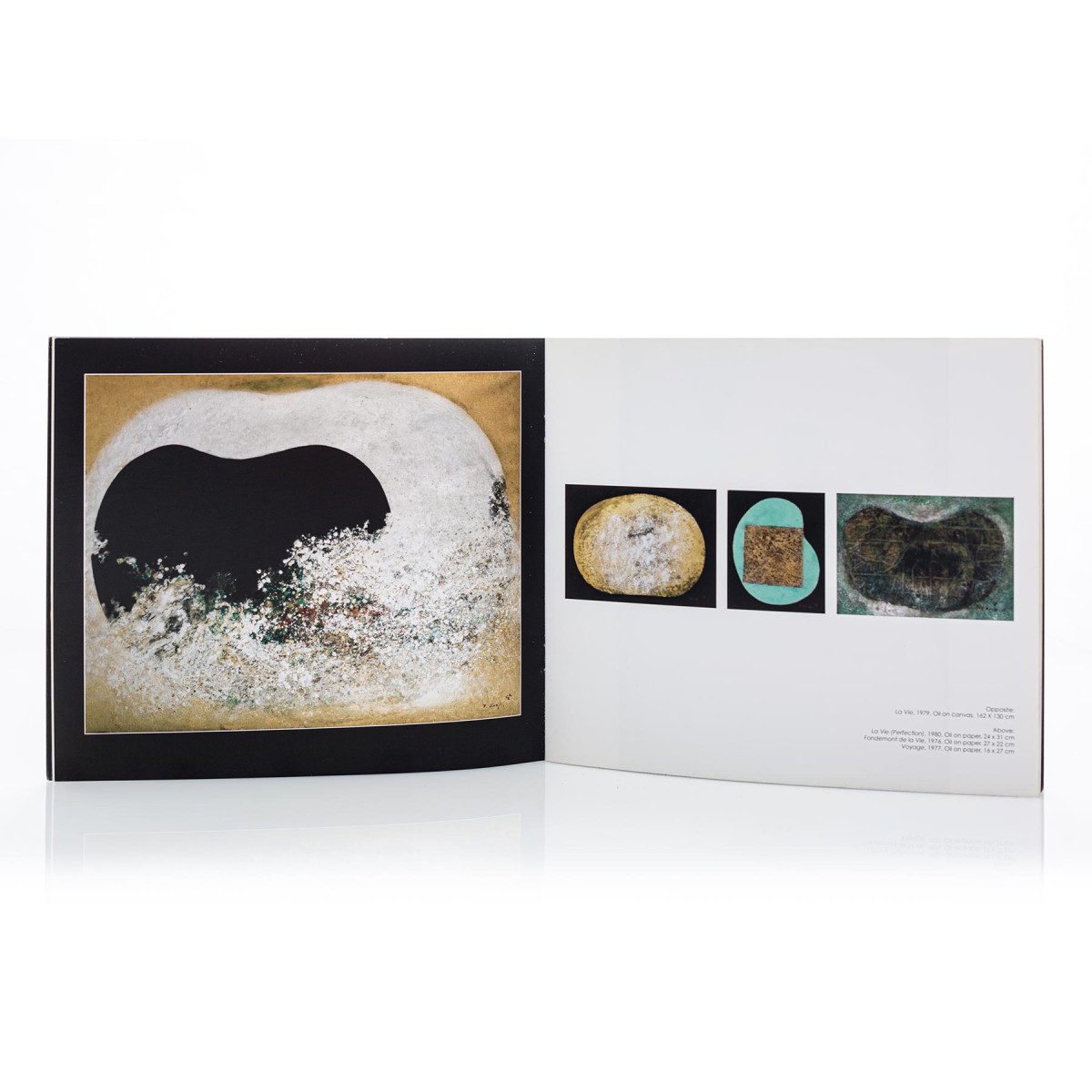
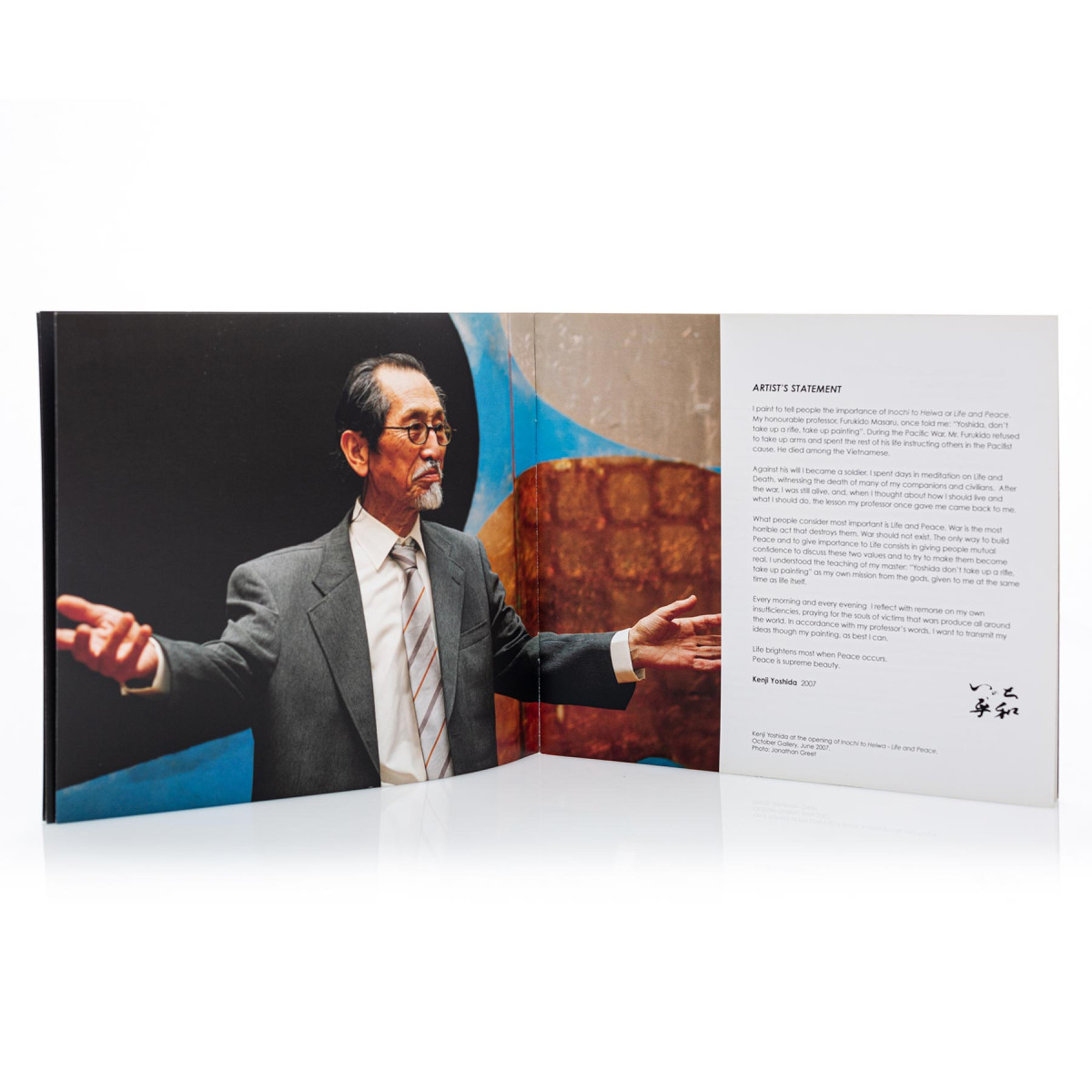
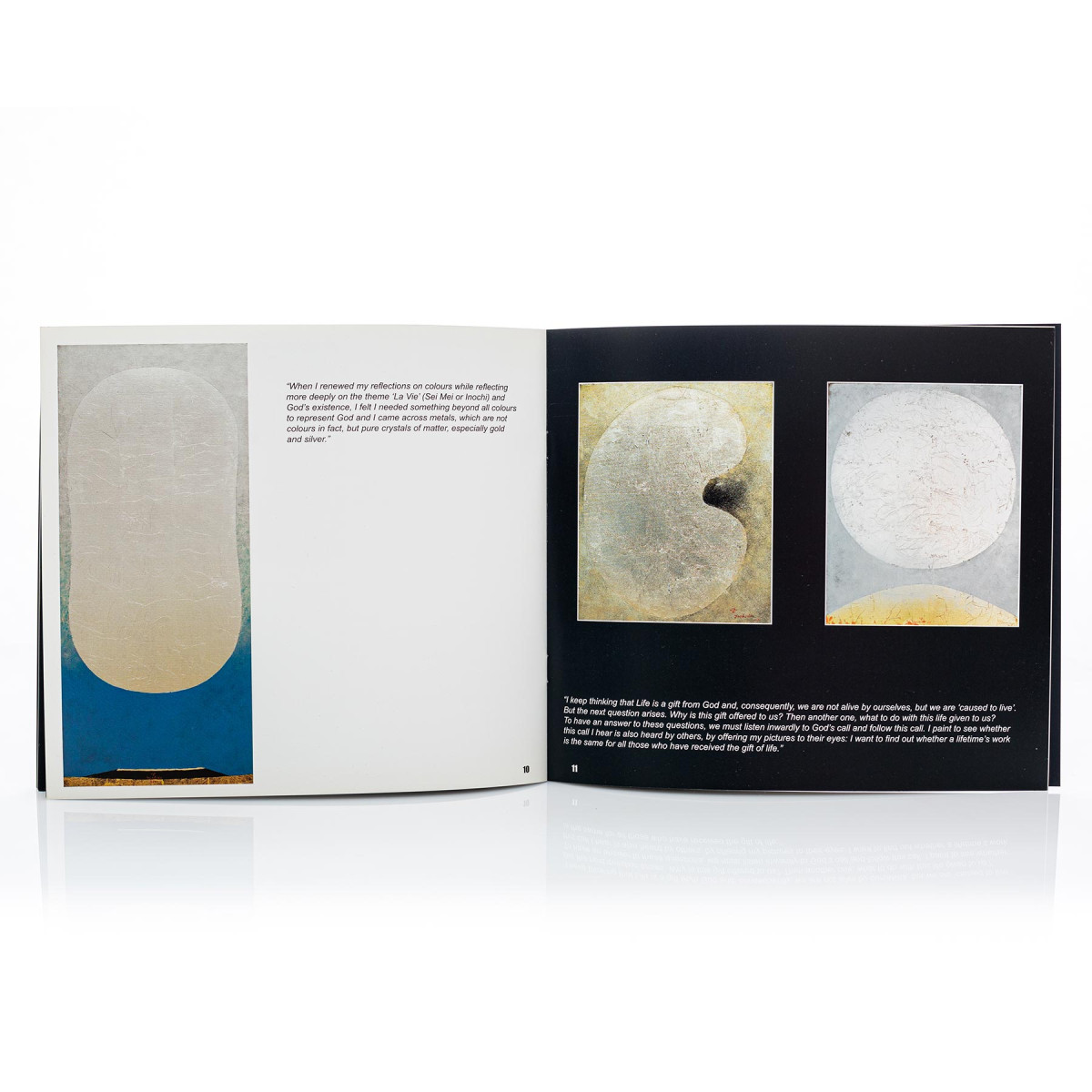
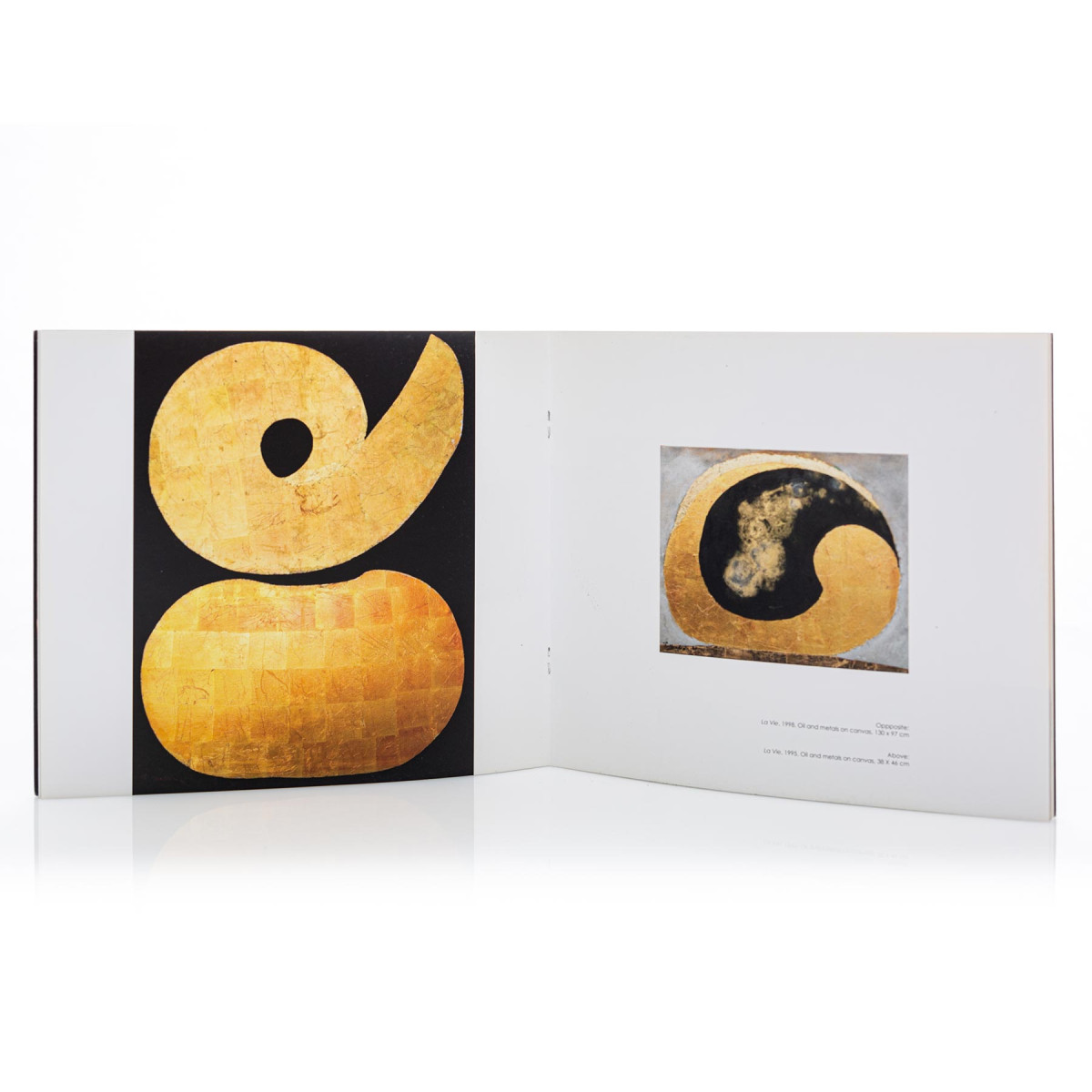
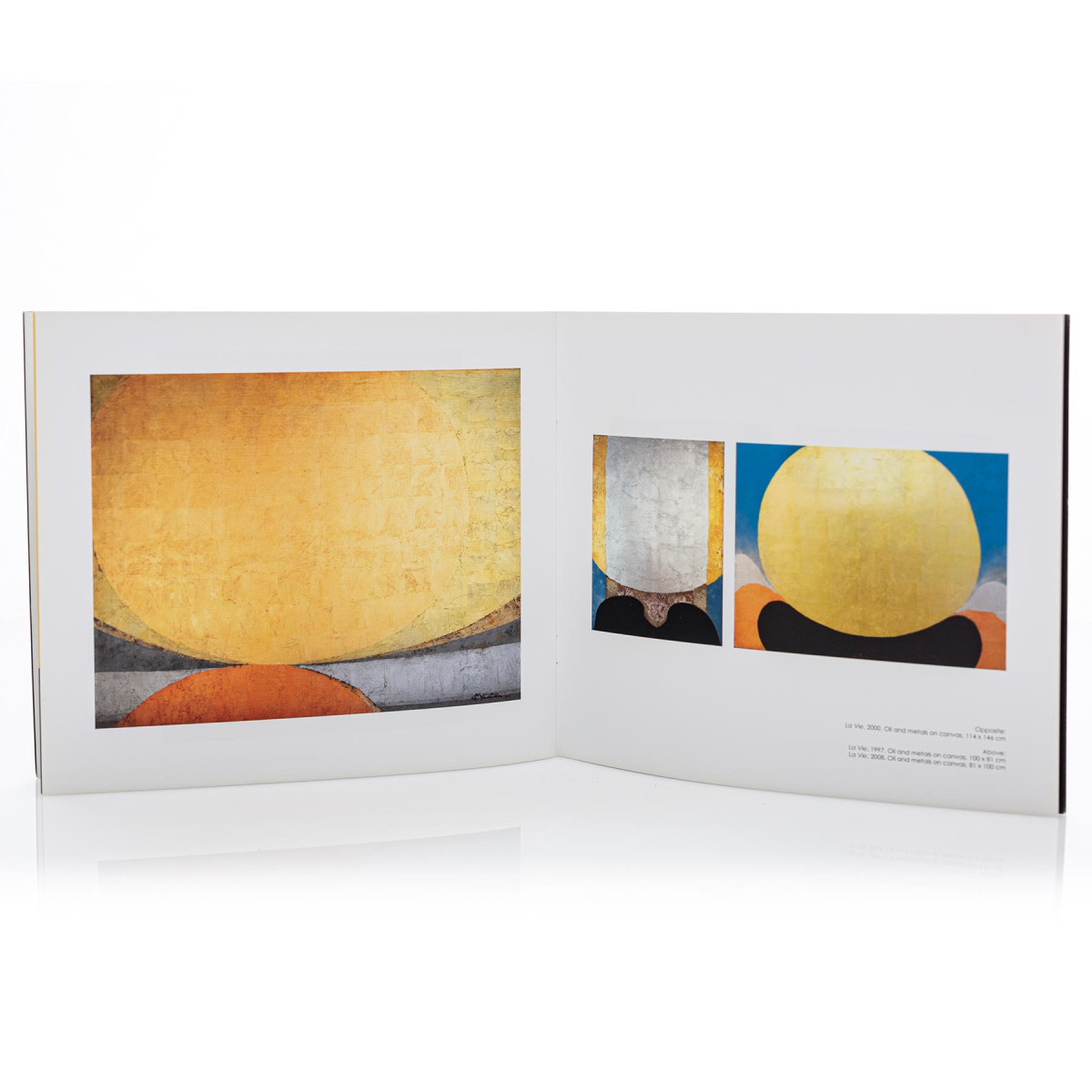
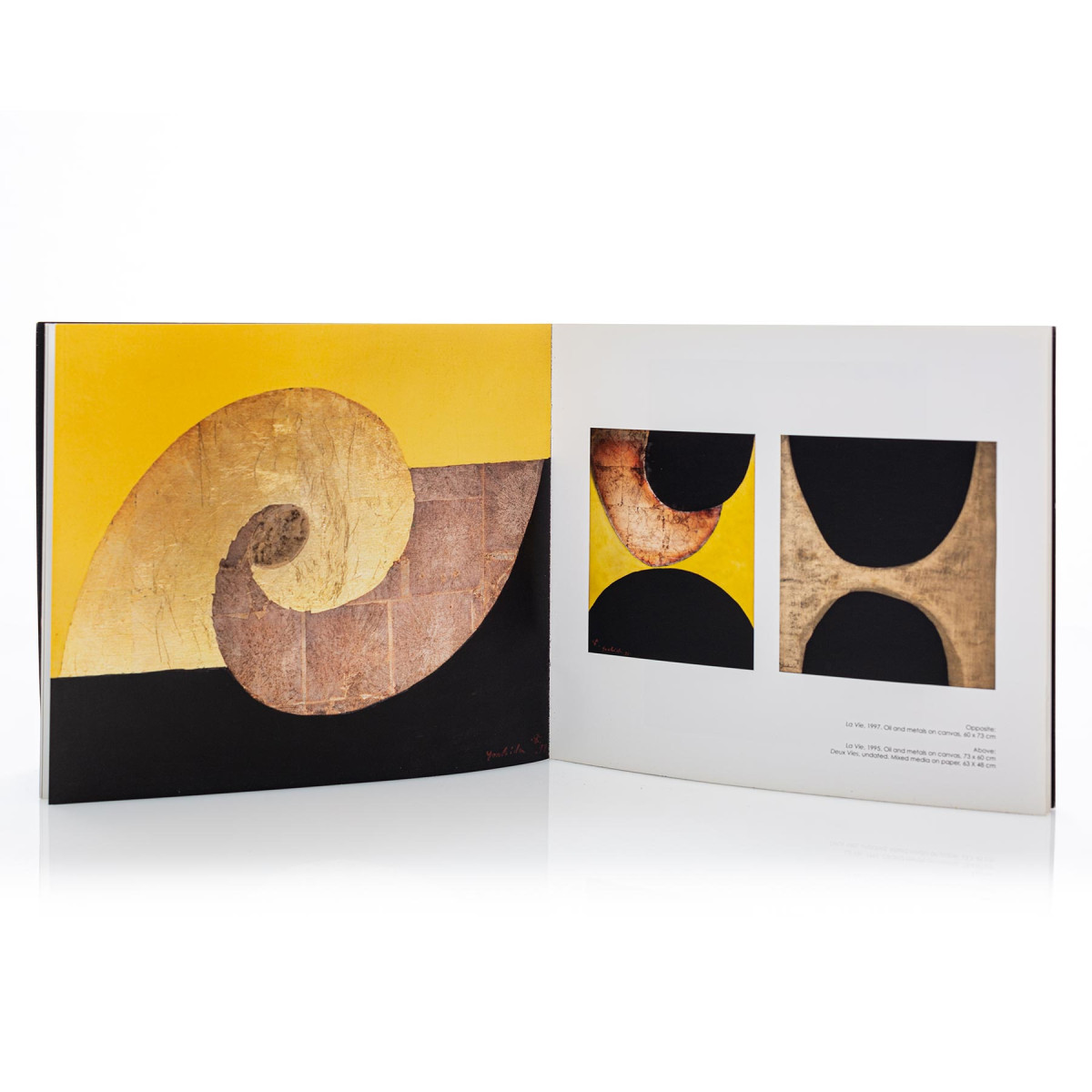
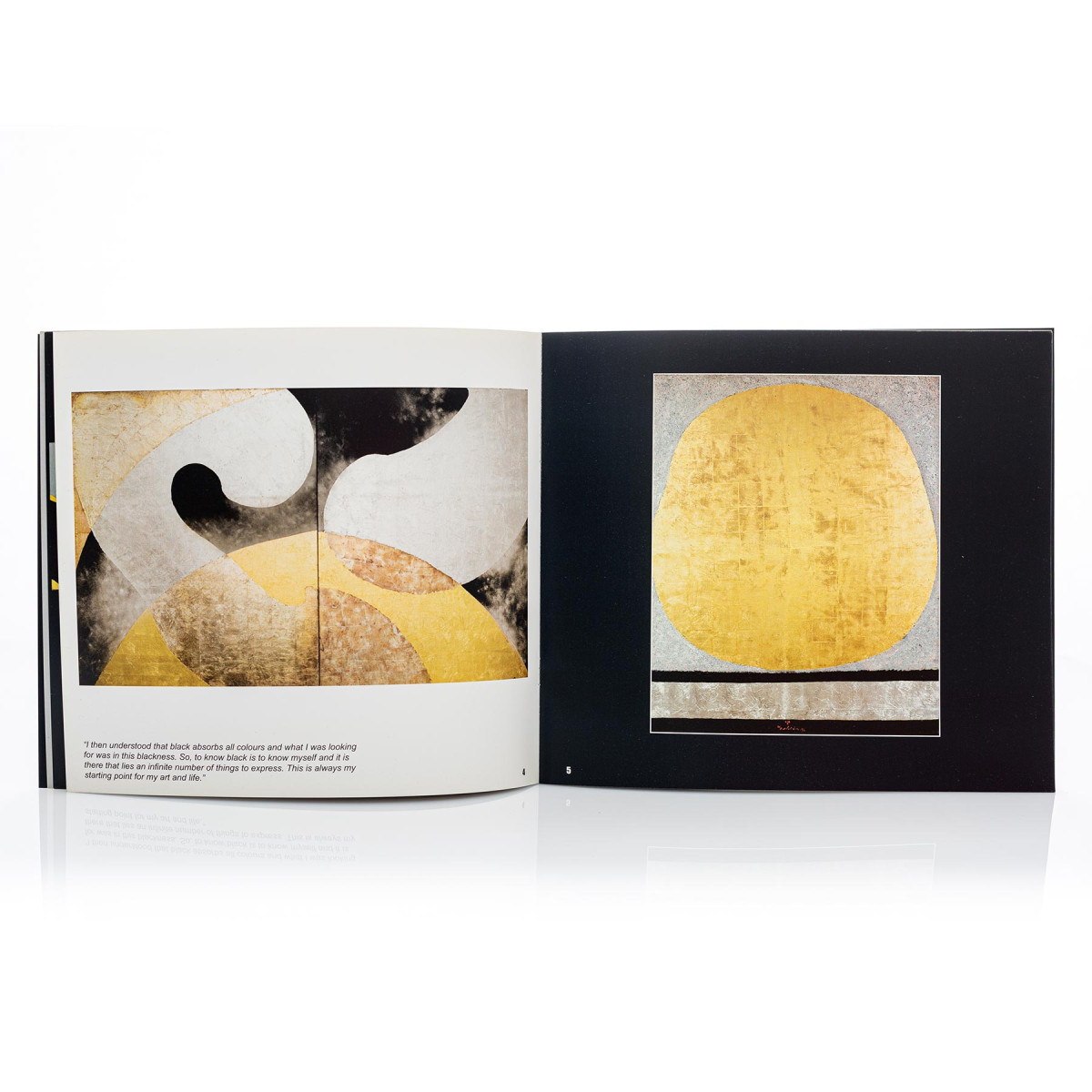
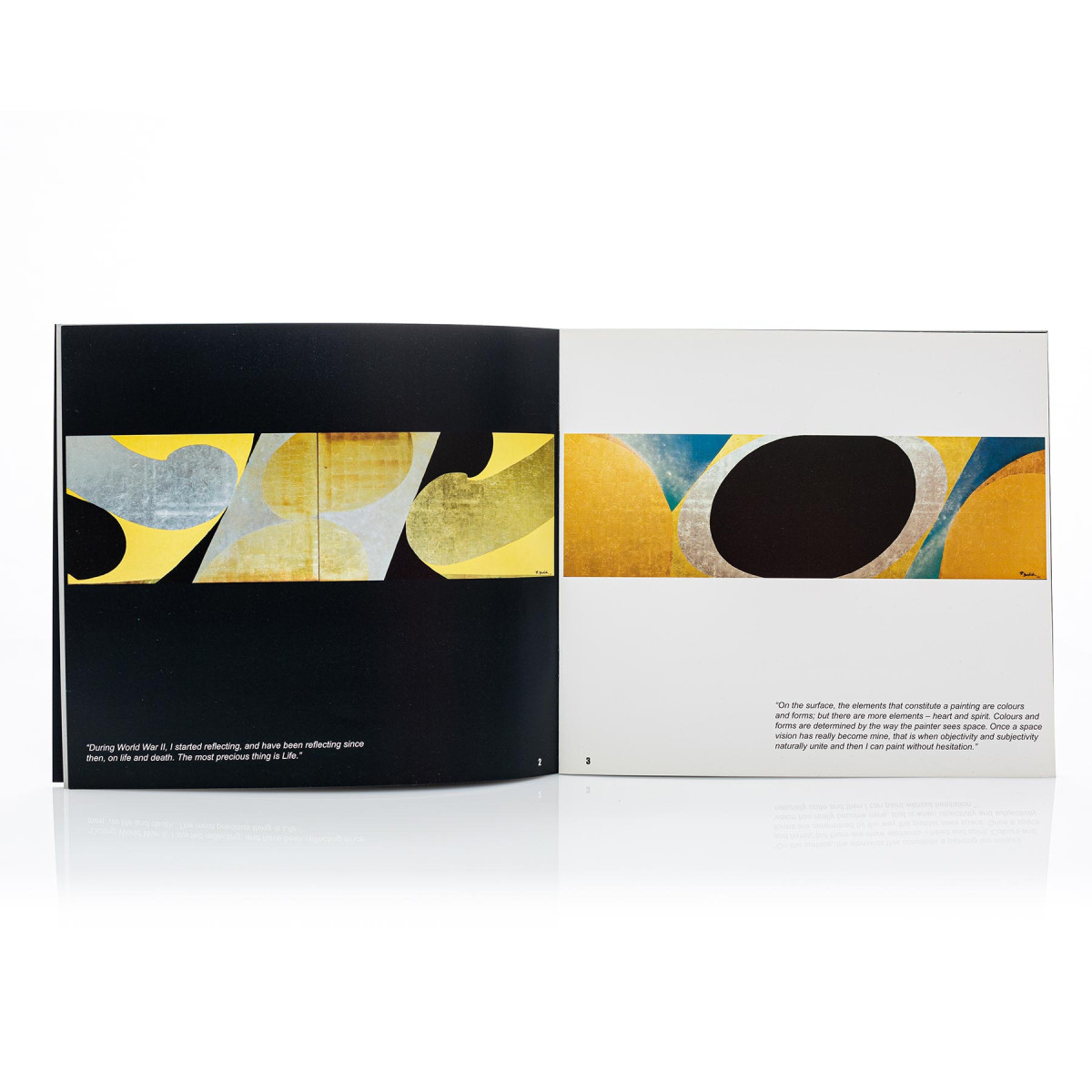
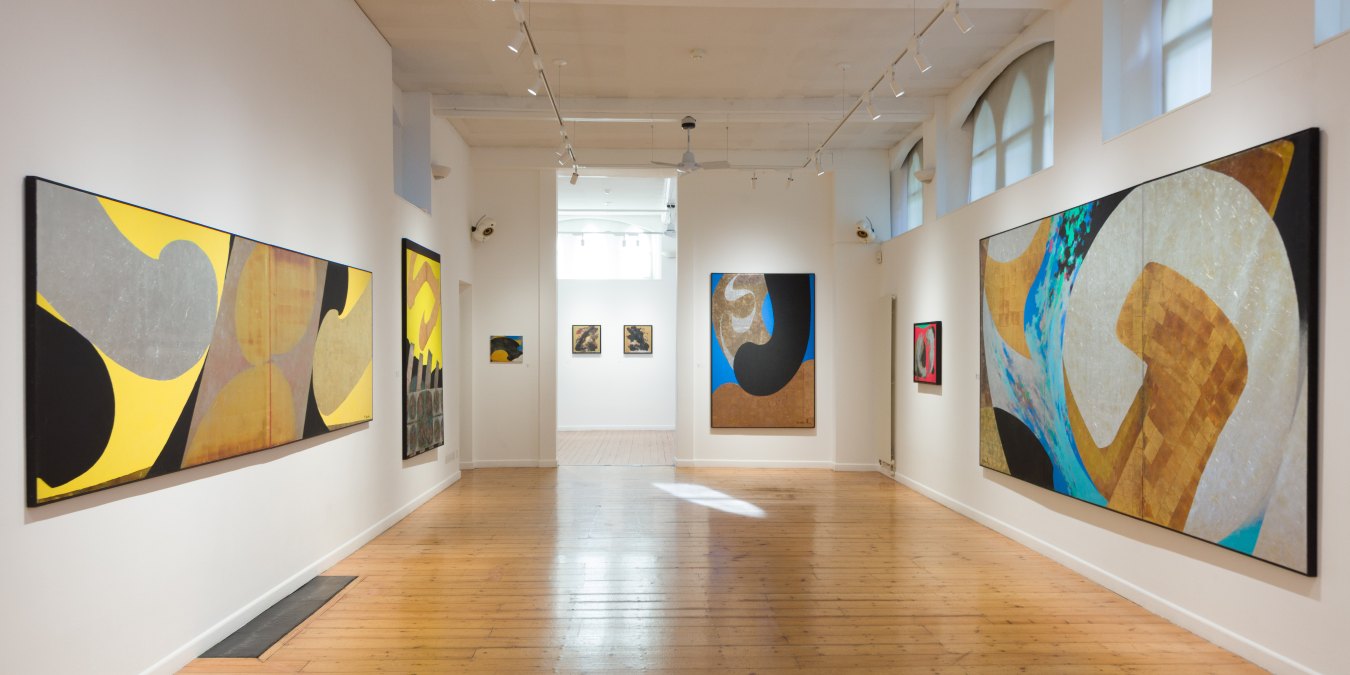
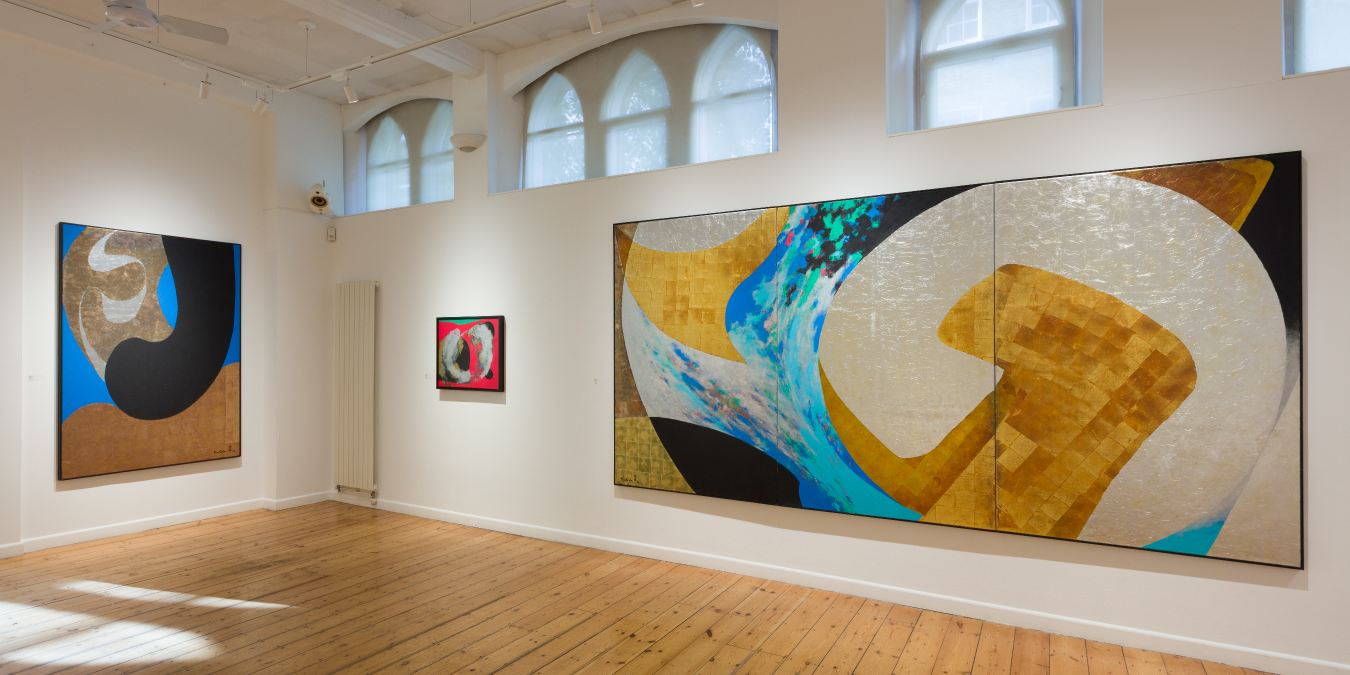
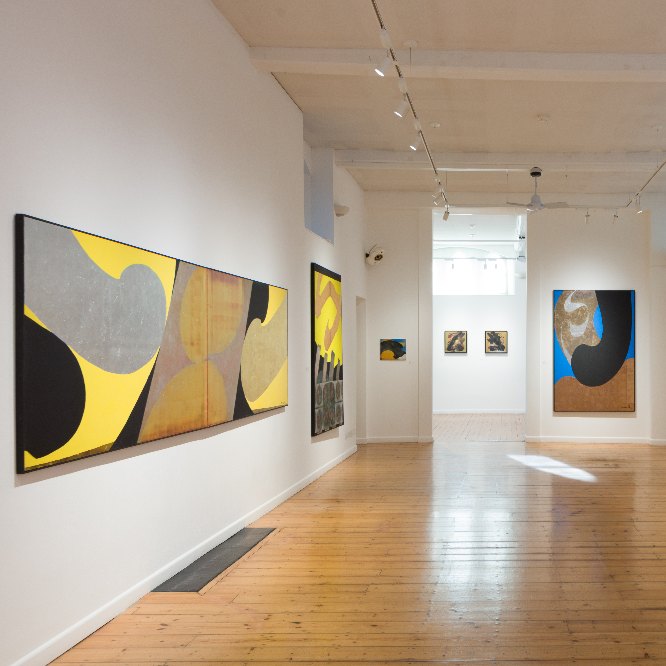
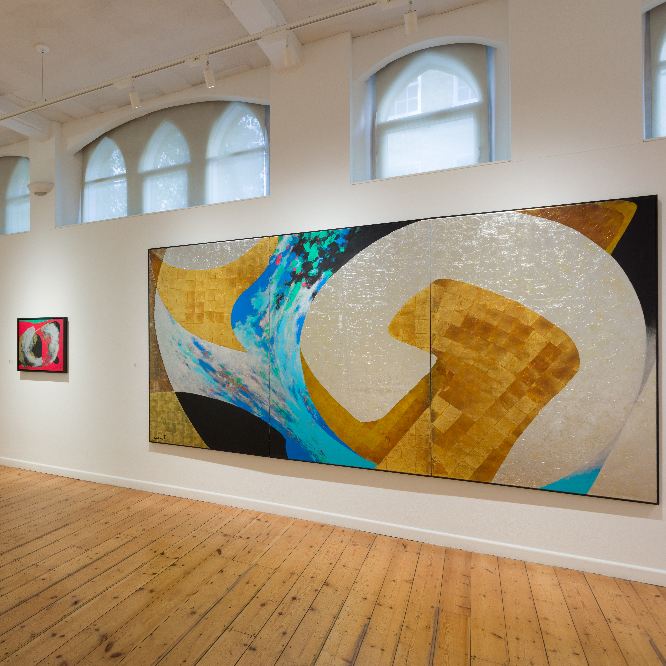
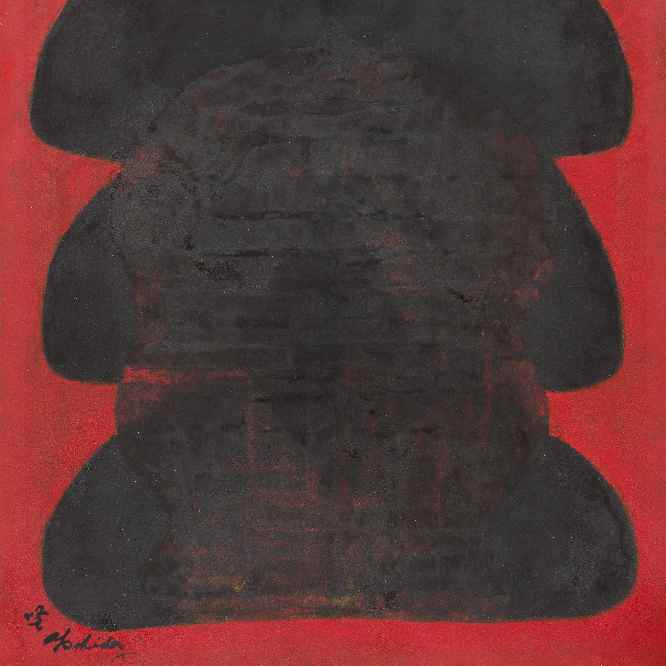
Conscripted at the age of 19, in 1943, Yoshida was directly assigned to a kamikaze squadron. The traumatic experiences he lived through left Yoshida profoundly conscious of the fragility of life and the overriding proximity of death, an awareness that permeates all the work that followed. Returning to his art after the Japanese surrender following Hiroshima, Yoshida moved to Paris, in the early 60s, to study graphic art techniques at Stanley Hayter’s influential Atelier 17. The works from the 60s and 70s highlight Yoshida’s blossoming to produce innovative etchings using subtle varieties of colour to highlight primary forms on the same plate. These early etchings already show Yoshida exploring metallic effects that lead into the delicate serigraphs and oil and ink on paper works of the 70s. We then see the artist explore the possibilities offered by gold and silver leaf as he moves assuredly towards the captivating multi-panelled works of the 80s and 90s. Here, highly mobile forms reveal the influence of European formalist abstraction while also recalling the irregular forms that pattern the grounds of traditional Japanese screen painting.
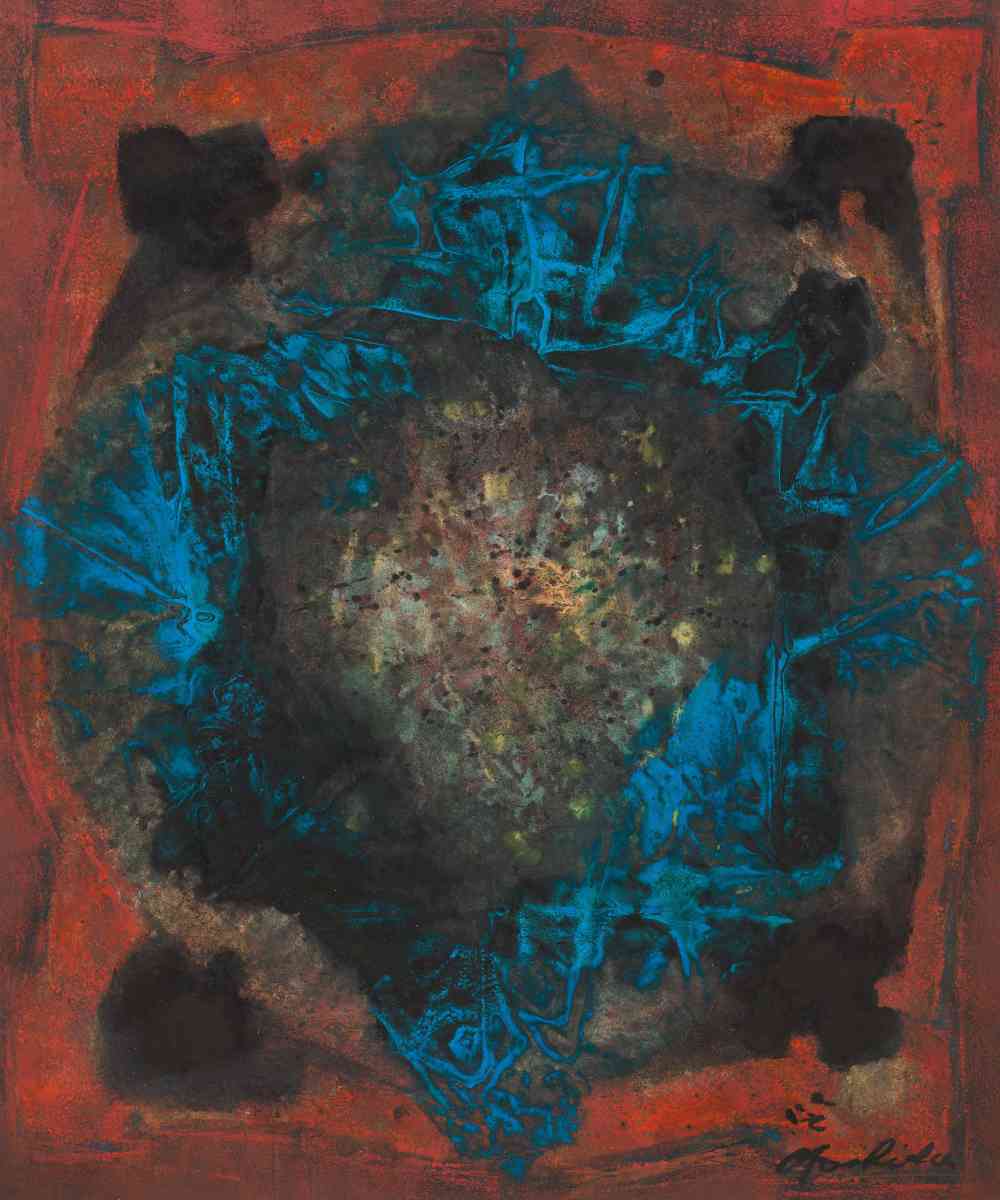
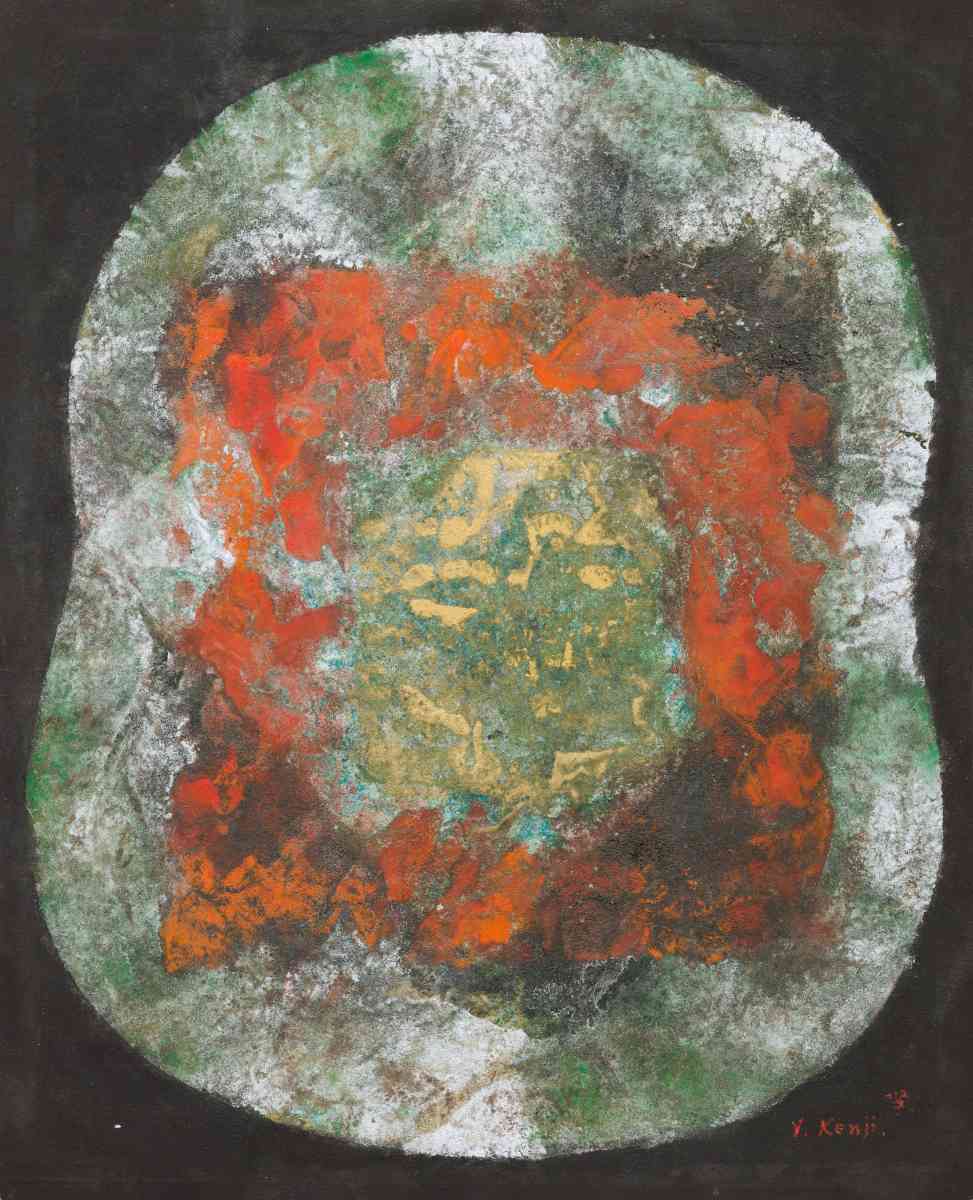
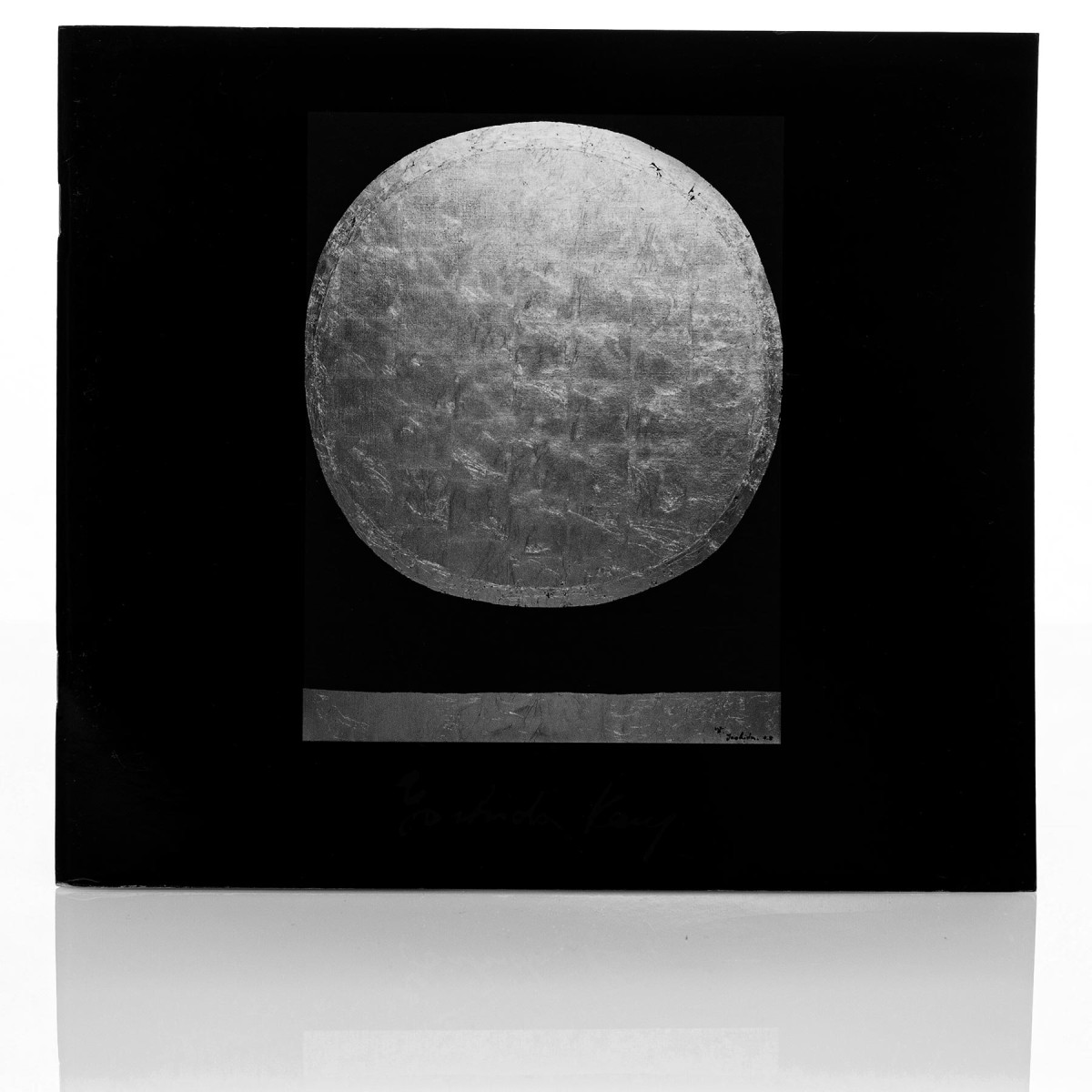
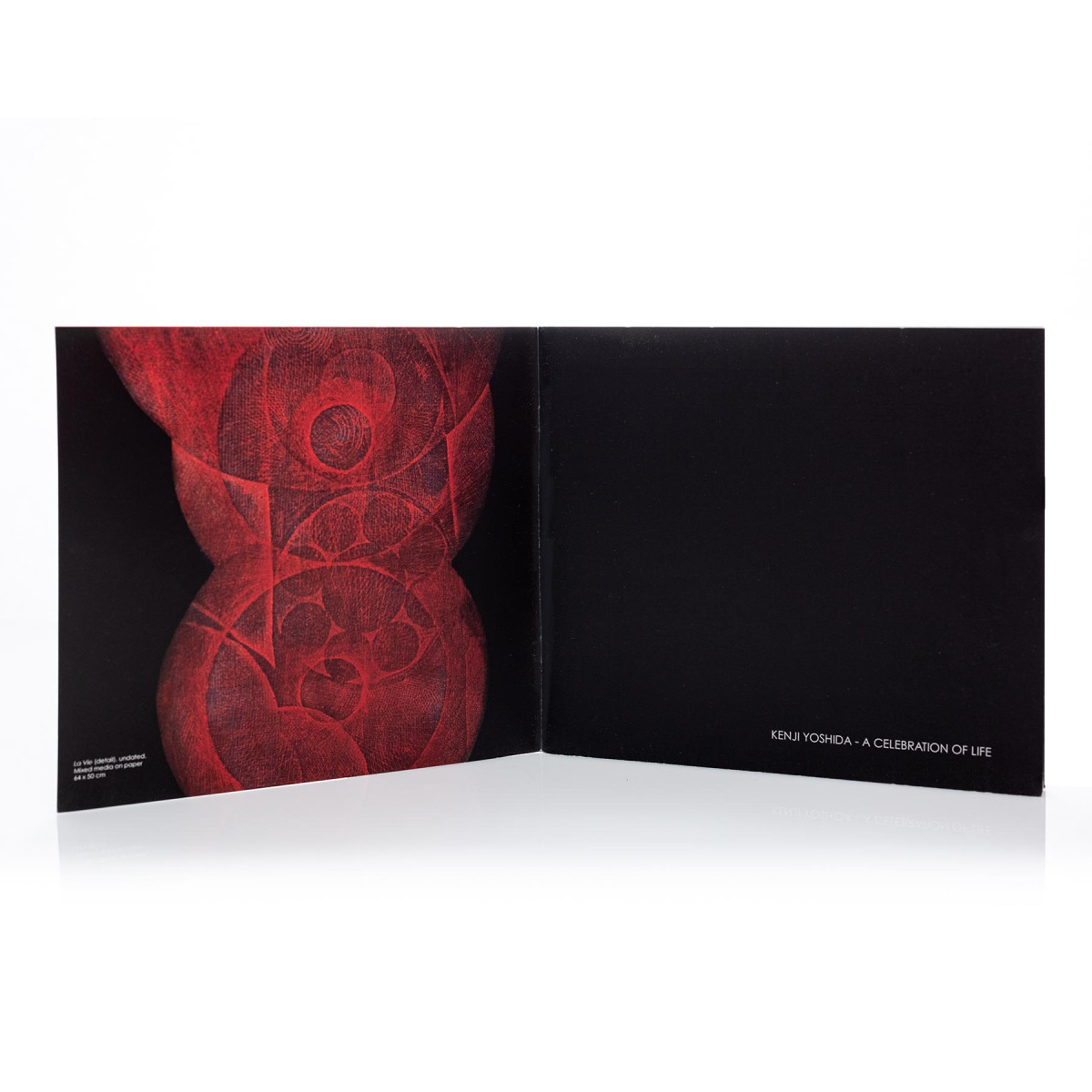
Employing this elliptical language of coloured forms, often rendered in dramatic silver and gold leaf, Yoshida invites the viewer to consider the fundamental forces of life and to meditate upon that essential unity which binds all living beings together. Nearly all of Yoshida’s later canvases bear the single recurring title of La Vie (Life); being a celebration of the cosmic mystery that is Life. Yoshida’s entire oeuvre expresses his keenest desire that Life be considered precious beyond price and its nemesis – War - be rejected absolutely.